Other News

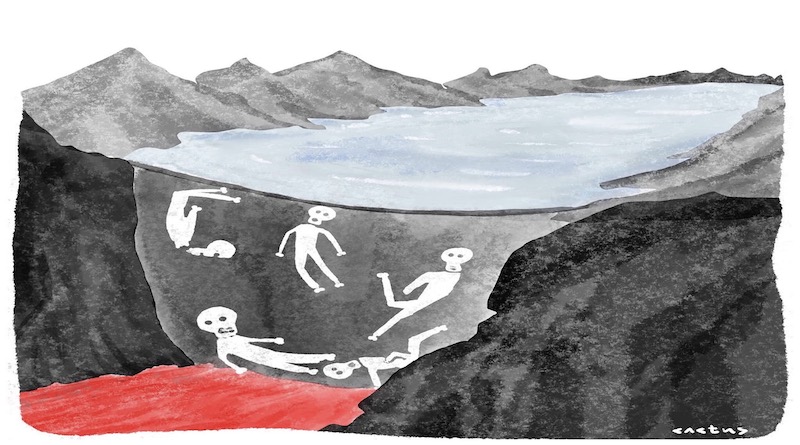
Democracy Survives Division: Taiwan’s Political Paradox

By Khedroob Thondup
Taiwan’s democracy is noisy, divided, and often bruising. The two dominant parties—the KMT, which emphasises engagement with Beijing, and the DPP, which champions sovereignty and independence—represent starkly different visions of the island’s future. Yet despite this polarisation, elections work. Democracy survives. And in that survival lies Taiwan’s greatest strength.
Read more

Waiting for Silence: Xi Jinping’s Calculated Non‑Policy on Tibet

By Khedroob Thondup
The Strategy of Inaction. Xi Jinping’s government has perfected the art of strategic silence on Tibet. Beijing’s refusal to engage with the Dalai Lama or the Central Tibetan Administration (CTA) is not indecision—it is deliberate policy. The Chinese leadership believes that time itself will resolve the “Tibet question.” Their calculus is stark: once the Dalai Lama passes away, the spiritual and political force that sustains Tibetan resistance will dissipate, leaving Beijing free to impose its chosen successor and declare the issue closed.

Read more

“Because You Lost” — Manila’s Defiance at Seoul

By Khedroob Thondup
At the Seoul Defense Dialogue this Tuesday, Philippine Defense Secretary Gilberto Teodoro delivered a moment that will echo across Asia’s contested waters. Asked about gray-zone coercion, Teodoro did not retreat into diplomatic platitudes. Instead, he reached for a note handed to him by the Chinese delegation — a note that baldly declared the 2016 South China Sea arbitral award “illegal, null and void.”

Read more

Prioritising Tibet’s Environment in US–China Diplomacy

By Khedroob Thondup

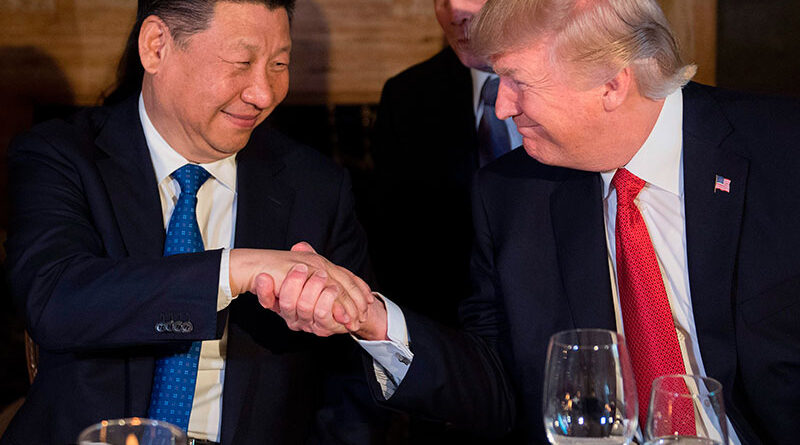
When President Donald Trump meets Xi Jinping, the United States should prioritise environmental security in Tibet over human rights advocacy. Tibet’s ecological fragility directly impacts Asia’s water systems, regional stability, and global climate resilience. Framing Tibet as an environmental issue allows Washington to engage Beijing on shared interests, avoid predictable sovereignty disputes, and build coalitions with India and Southeast Asia around water security.

Read more

The Qinghai–Lhasa Railway and Permafrost Instability

By Khedroob Thondup

The Qinghai–Lhasa Railway, celebrated as a symbol of China’s engineering prowess and political integration of Tibet, faces mounting risks as permafrost thaw accelerates under global warming. Built across fragile frozen ground, the railway is now sinking and destabilising, threatening infrastructure integrity, regional connectivity, and environmental security. This brief outlines the scientific basis of the problem, its geopolitical implications, and policy recommendations for international engagement.

Read more

China’s Balancing Act on Iran at the SCO Summit

By Khedroob Thondup
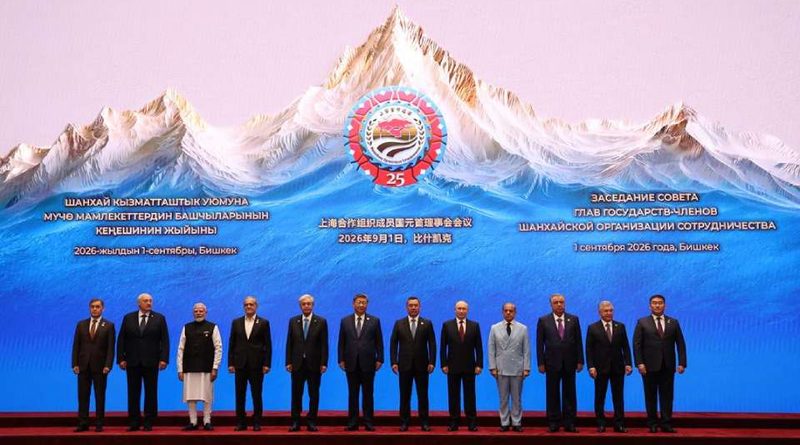
The Shanghai Cooperation Organisation (SCO) summit in Bishkek this week offered a revealing glimpse into Beijing’s delicate diplomatic choreography. On paper, the ten-country bloc stood united in condemning “military strikes” against fellow member Iran. Yet Xi Jinping’s decision to avoid a formal bilateral meeting with Iranian President Masoud Pezeshkian underscored the careful tightrope China is walking: supporting Iran enough to preserve strategic ties, but not so visibly as to alienate Washington or Gulf partners.

Read more

BOOK ON TIBET WHICH BEATS CHINA’S INFORMATION FIRE WALLS LAUNCHED AT TIBET FESTIVAL

By Vijay Kranti
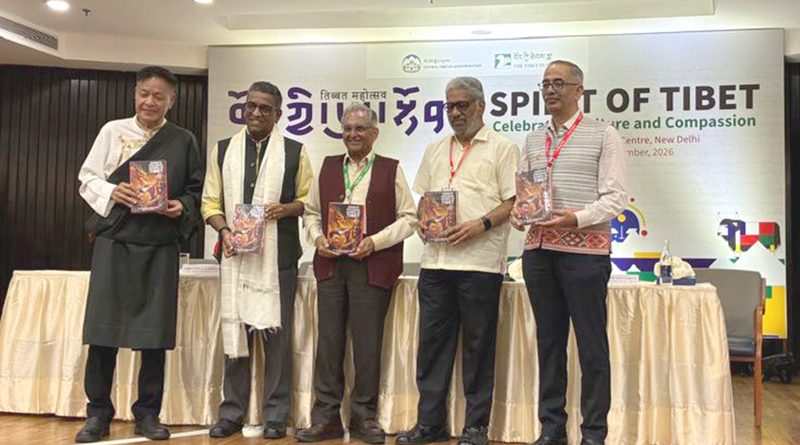
New Delhi – 3 Sept: Mr. Penpa Tsering, Tibet’s elected ‘Sikyong’ (President), today released a book which is focused at exposing China’s activities to maintain its colonial grip over Tibet. Titled ‘China’s Colonial Games in Tibet’, the book is published by the Centre for Himalayan Asia Studies and Engagement (CHASE), and is edited by Vijay Kranti, a veteran journalist, Tibetologist and photographer.  The book was inaugurated on the opening day of the three-day Tibet-festival ‘Spirit of Tibet’ at the Indian International Centre of capital today. Other dignitaries, present on the stage were Mr. Nitin A. Gokhale, Prof. C. Raja Mohan and Brigadier Anshuman Narang – all three well known experts on China and strategic affairs.

Read more

Why the CCP’s Ethnic Cleansing in Tibet Will Fail

By Khedroob Thondup

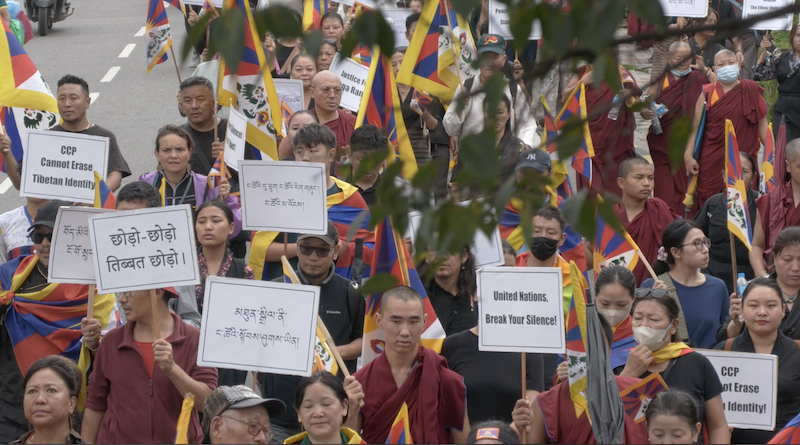
For sixty-seven years, the Chinese Communist Party (CCP) has occupied Tibet, attempting to transform a nation with its own language, culture, and spiritual traditions into a compliant appendage of Beijing. Today, the CCP has reached a chilling pinnacle: it appears to believe that erasing the Tibetan race itself—through mass ethnic cleansing and forced Sinicization—is the only way to secure control. Yet history, identity, and resilience all point to why these measures will ultimately fail.

Read more

Environmental Risks of China’s Yarlung Tsangpo Mega-Dam

By Khedroob Thondup

China’s proposed mega-dam on the Yarlung Tsangpo River, located approximately 50 miles from the Indian border, represents one of the most consequential hydropower projects in the Himalayas. While Beijing frames the dam as a renewable energy initiative, the project carries severe environmental, ecological, and geopolitical risks for downstream nations—particularly India and Bangladesh. This brief outlines the potential consequences, regional security implications, and policy recommendations for mitigating the risks.

Read more