Front Slider

Why the US Should Recognise the Ganden Phodrang as the Legitimate Office of the Dalai Lama

By Khedroob Thondup
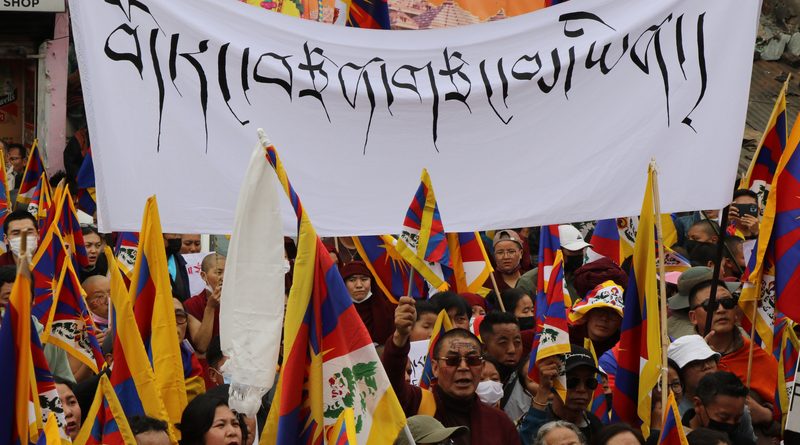
For decades, Tibet’s future has been entangled in the geopolitical contest between Beijing’s claims of sovereignty and the Tibetan people’s struggle for cultural and religious survival. Yet one institution has endured across centuries of upheaval: the Ganden Phodrang, the traditional office of the Dalai Lama. As the world anticipates the eventual succession of the 15th Dalai Lama, the United States faces a critical choice. By recognising the Ganden Phodrang as the legitimate authority to select the next Dalai Lama, Washington can safeguard Tibetan religious freedom, strengthen international norms, and enhance global recognition of Tibet’s unique civilisational identity.

Read more

The Dilemma of Return — Tibetan Lamas and the Politics of Pilgrimage

By Khedroob Thondup
The question of whether Tibetan lamas in exile should visit Tibet if permitted by Beijing is not simply a matter of travel. It is a profound test of spiritual fidelity, political calculation, and communal unity. On the surface, such visits promise a long-awaited homecoming, a chance to reconnect with sacred landscapes and ease tensions. Yet beneath that promise lies the risk of exploitation, division, and propaganda.

Read more

Empires Wax and Wane: Tibet and the Limits of Beijing’s Assimilation

By Khedroob Thondup
The sweep of history reminds us of a simple truth: no empire, however mighty, is permanent. Rome, the Ottomans, the British Raj—all believed their dominion eternal, only to discover that power is cyclical, not absolute. Today, the Chinese Communist Party (CCP) exercises seemingly unassailable control over the Tibetan Plateau, integrating it through modernization, surveillance, and demographic engineering. Yet the long arc of history suggests that rigid, coercive assimilation strategies ultimately face systemic limits.

Read more

The Reluctant Empire: Why China Will Not Easily Relinquish Tibet

By Khedroob Thondup
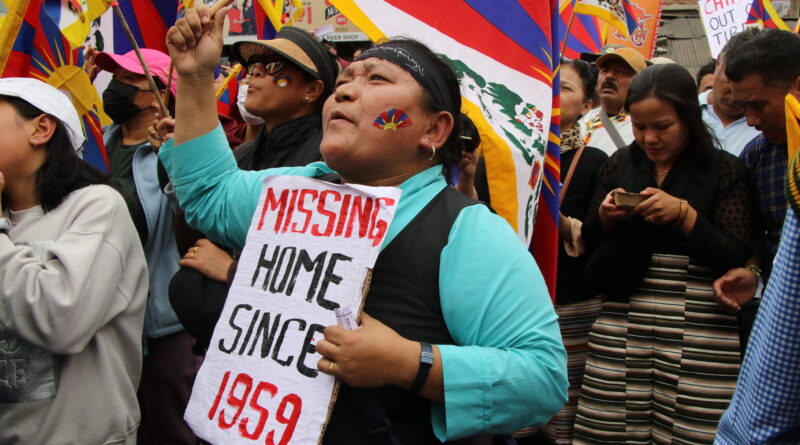
For sixty-seven years, Tibet has remained under Chinese occupation—a reality that has reshaped the Himalayan plateau and reverberated across the world. To imagine Beijing voluntarily loosening its grip on Tibet without seismic shifts inside China itself is to misunderstand both the strategic calculus of the Chinese state and the symbolic weight Tibet carries in the Chinese Communist Party’s narrative.

Read more