

ExileView All
40 Years on, 1987–1989 uprising in Tibet Remembered as Turning Point for Tibetan Movement
By Tenzin Chokyi
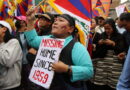
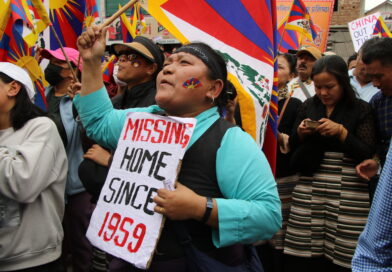
DHARAMSALA, 14 Sept: What began with monks taking to the streets of Lhasa in 1987 would soon become more than a series of protests, as photographs, medical records and eyewitness accounts carried the events beyond occupied Tibet. Forty years later, the Tibet Museum of the Department of Information and International Relations (DIIR), Central Tibetan Administration (CTA), brought together some of those who witnessed and participated in the uprising to reflect on its legacy.
TibetView All
Missing, Uncounted, Unseen: The Hidden Toll of Tibet’s Floods
By Tenzin Chokyi
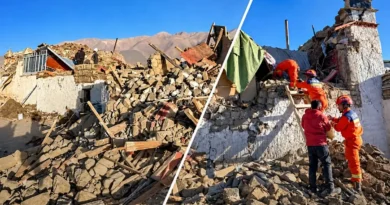
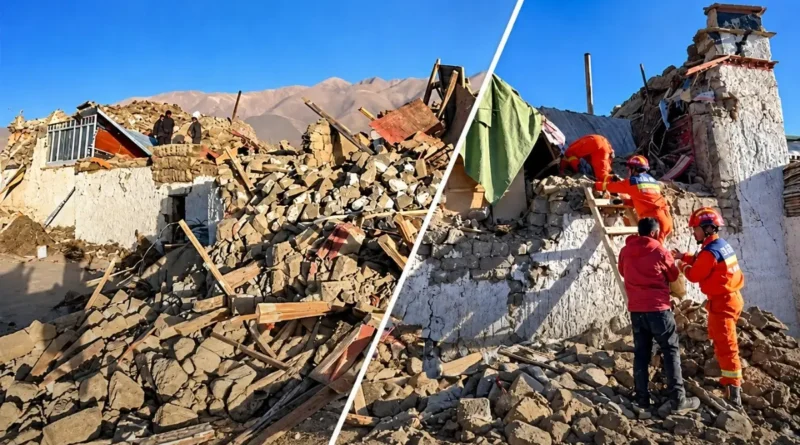
DHARAMSALA, 31 August: The toll from last week’s devastating floods in Tibet’s Kyirong region appears to be significantly higher than figures released by Chinese authorities, according to new information gathered by the International Campaign for Tibet (ICT), amid growing concerns over Beijing’s restrictions on information from the disaster zone.
WorldView All
As India-China Talks Resume, Tibet’s Unresolved Question Lingers Behind the Line
By Tenzin Chokyi
DHARAMSALA, 25 August: High-stakes border negotiations are currently underway in Beijing between Indian and Chinese special representatives, with no official updates on the meeting’s contents yet as the discussions continue. National Security Advisor Ajit Doval arrived in the Chinese capital for the 25th round of the Special Representatives (SR) talks, co-chaired with Chinese Foreign Minister Wang Yi.
Other NewsView All
Xi Jinping: The Worst Leader Since Mao
By Khedroob Thondup
When historians weigh the legacies of China’s rulers, Mao Zedong inevitably looms as the architect of both revolutionary triumph and catastrophic suffering. Yet in the decades after Mao, China’s leadership sought to avoid repeating his excesses by building collective governance, term limits, and a cautious balance of power. Xi Jinping has not only dismantled those safeguards — he has introduced new instruments of authoritarianism that make him arguably the worst Chinese leader since Mao. His so‑called Unity Law crystallises this regression, revealing the racial chauvinism and political absolutism at the heart of his rule.
Videos
Tibetan activists demand immediate transparency from Beijing following devastating Nepal-Tibet flash floods
DHARAMSALA, 1 Sept: Tibetan activists are demanding immediate transparency from Beijing following the devastating Nepal-Tibet flash floods.
While Chinese state media has reported 19 deaths and 548 people missing, families in Kyirong are communicating a far more severe reality, reporting that the entire Lhende area in Kyirong, occupied Tibet has been washed away.
The Lhende area is predominantly inhabited by semi-nomadic Tibetan communities and serves as a significant trade route connecting Tibet with Nepal and India.
Interviews
CTA’s China Dialogue Push Unwise at This Stage, Says Veteran Indian Journalist and Tibetologist Vijay Kranti
Veteran Indian journalist, long-time Tibet supporter and Tibetologist Vijay Kranti launched his new book, “China’s Colonial Games in Tibet,” in Dharamshala on Friday. The volume brings together a series of essays developed from presentations by leading communicators and experts delivered during nearly 30 international webinars on key Tibet–China issues held between 2020 and 2023, organised by Kranti in collaboration with the Tibetan Youth Congress. Kranti said the endeavour behind the book was to present, in a single volume, a comprehensive narrative of the major colonial challenges and issues that the Tibetan people continue to face under China’s rule.