Other News

The CIA and Chushi Gangdruk — Tibet’s Four Rivers, Six Ranges

By Khedroob Thondup
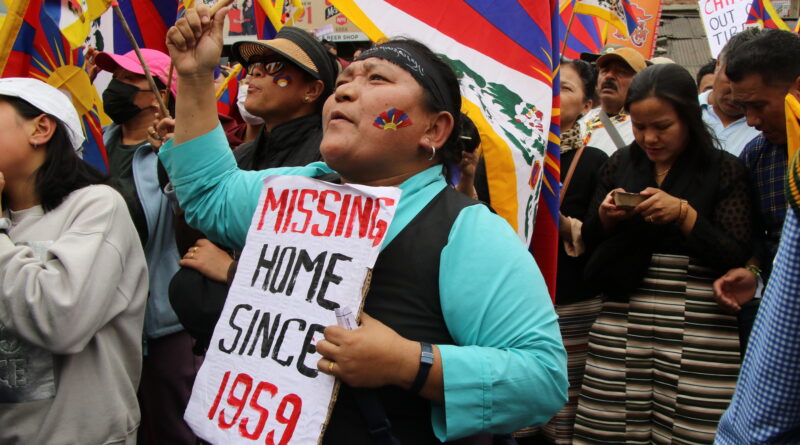
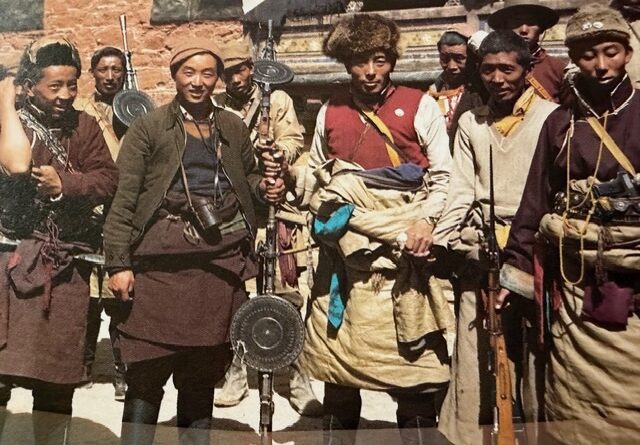
When Tibet was engulfed by Chinese occupation in the 1950s, despair spread across the plateau. Villages were uprooted, monasteries destroyed, and a centuries-old way of life threatened with extinction. Out of this crisis rose the Chushi Gangdruk, the “Four Rivers, Six Ranges” resistance force, a grassroots army of Khampa fighters who refused to surrender their homeland. For 18 years, they became the backbone of Tibetan armed resistance — and their struggle was sustained by a powerful, if complex, ally: the Central Intelligence Agency.
Read more

The ROC’s Quiet Retreat: Tibet, the Mainland, and the Constitution

By Khedroob Thondup
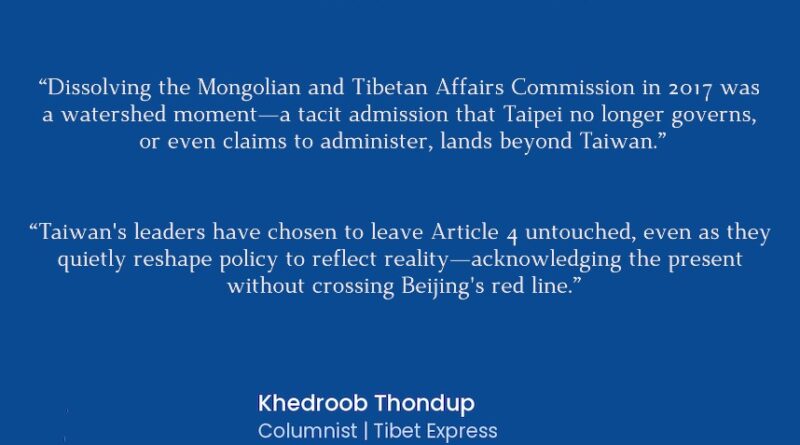
When the Republic of China (ROC) government fled to Taiwan in 1949, it carried with it the constitutional claim to rule all of China—including Tibet and Mongolia. For decades, this claim was not only symbolic but institutionalised through agencies like the Mongolian and Tibetan Affairs Commission, which managed policies toward regions the ROC no longer controlled. Yet in 2017, Taipei dissolved that commission, a move that signalled the practical abandonment of its historic claims.

Read more

 When Beijing Tried to Silence My Voice

By Khedroob Thondup
For decades, Tibetans in exile have lived with the knowledge that the Chinese Communist Party (CCP) seeks not only to control our homeland but also to police our voices abroad. I have experienced this firsthand. In one of the more cynical manoeuvres, the Chinese government attempted to enlist His Holiness the Dalai Lama to rein in my public advocacy for Tibetan independence. Their request was not only misguided—it revealed the CCP’s fundamental misunderstanding of democracy and freedom of thought.

Read more

Xi Jinping: The Worst Leader Since Mao

By Khedroob Thondup
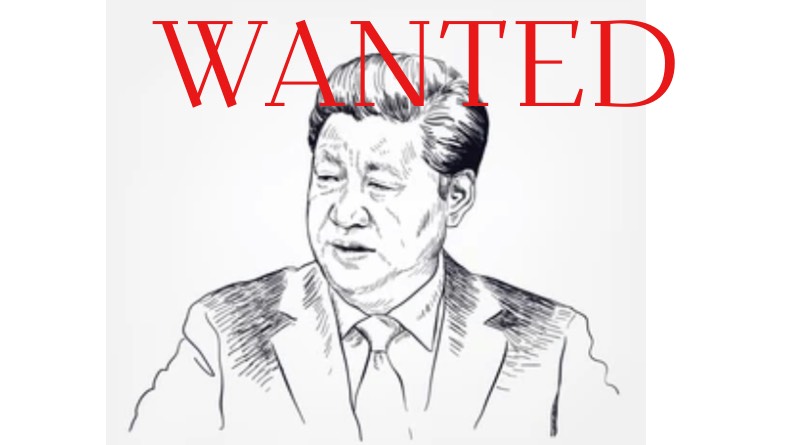
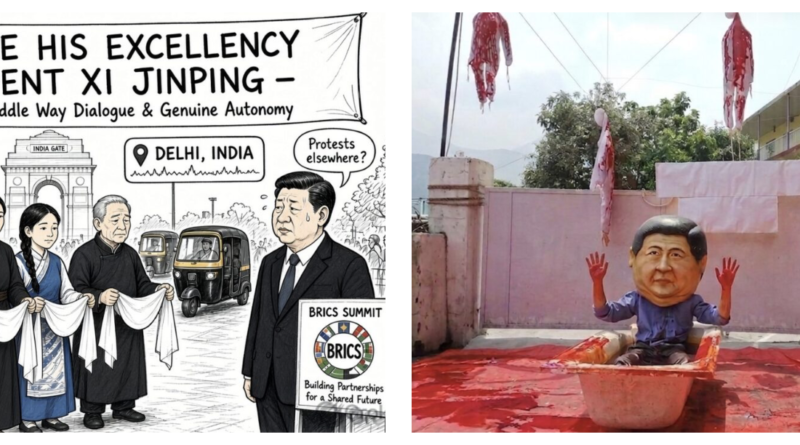
When historians weigh the legacies of China’s rulers, Mao Zedong inevitably looms as the architect of both revolutionary triumph and catastrophic suffering. Yet in the decades after Mao, China’s leadership sought to avoid repeating his excesses by building collective governance, term limits, and a cautious balance of power. Xi Jinping has not only dismantled those safeguards — he has introduced new instruments of authoritarianism that make him arguably the worst Chinese leader since Mao. His so‑called Unity Law crystallises this regression, revealing the racial chauvinism and political absolutism at the heart of his rule.

Read more

Why India Cannot Trust China

By Khedroob Thondup

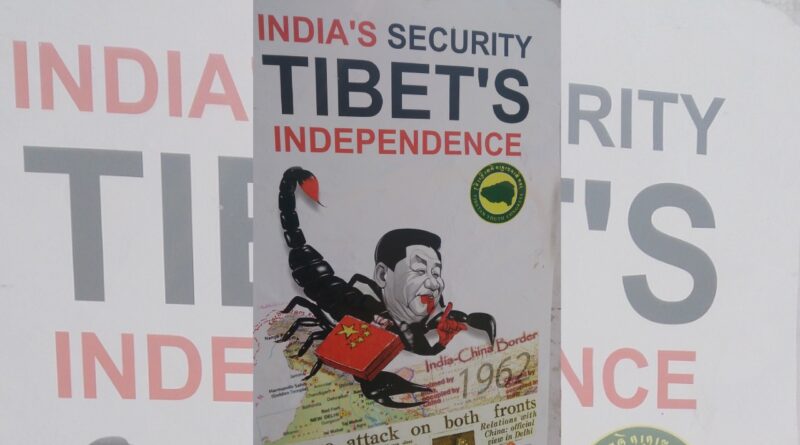
Introduction. India’s relationship with China is one of the most consequential in Asia, shaping the future of regional security, trade, and diplomacy. Yet trust between the two nations has remained elusive. From the 1962 war to the Galwan clashes of 2020, China has consistently undermined India’s sovereignty and security. This brief argues that India cannot trust China, not because of paranoia, but because of a demonstrable pattern of aggression, expansionism, and disregard for agreements.

Read more

Democracy Survives Division: Taiwan’s Political Paradox

By Khedroob Thondup
Taiwan’s democracy is noisy, divided, and often bruising. The two dominant parties—the KMT, which emphasises engagement with Beijing, and the DPP, which champions sovereignty and independence—represent starkly different visions of the island’s future. Yet despite this polarisation, elections work. Democracy survives. And in that survival lies Taiwan’s greatest strength.

Read more

Waiting for Silence: Xi Jinping’s Calculated Non‑Policy on Tibet

By Khedroob Thondup
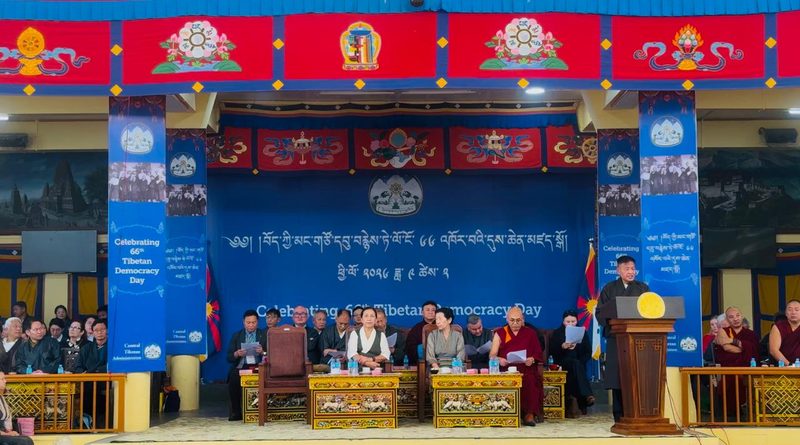
The Strategy of Inaction. Xi Jinping’s government has perfected the art of strategic silence on Tibet. Beijing’s refusal to engage with the Dalai Lama or the Central Tibetan Administration (CTA) is not indecision—it is deliberate policy. The Chinese leadership believes that time itself will resolve the “Tibet question.” Their calculus is stark: once the Dalai Lama passes away, the spiritual and political force that sustains Tibetan resistance will dissipate, leaving Beijing free to impose its chosen successor and declare the issue closed.

Read more

“Because You Lost” — Manila’s Defiance at Seoul

By Khedroob Thondup
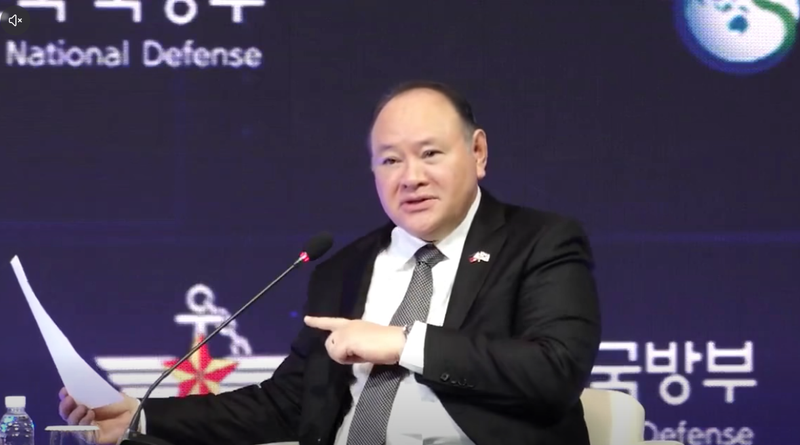
At the Seoul Defense Dialogue this Tuesday, Philippine Defense Secretary Gilberto Teodoro delivered a moment that will echo across Asia’s contested waters. Asked about gray-zone coercion, Teodoro did not retreat into diplomatic platitudes. Instead, he reached for a note handed to him by the Chinese delegation — a note that baldly declared the 2016 South China Sea arbitral award “illegal, null and void.”

Read more