
Tibetan NGOs Condemn China’s Illegal Gold Mining Project in Zachuka, Demand Release of Seven Missing Detainees
By Tenzin Chokyi
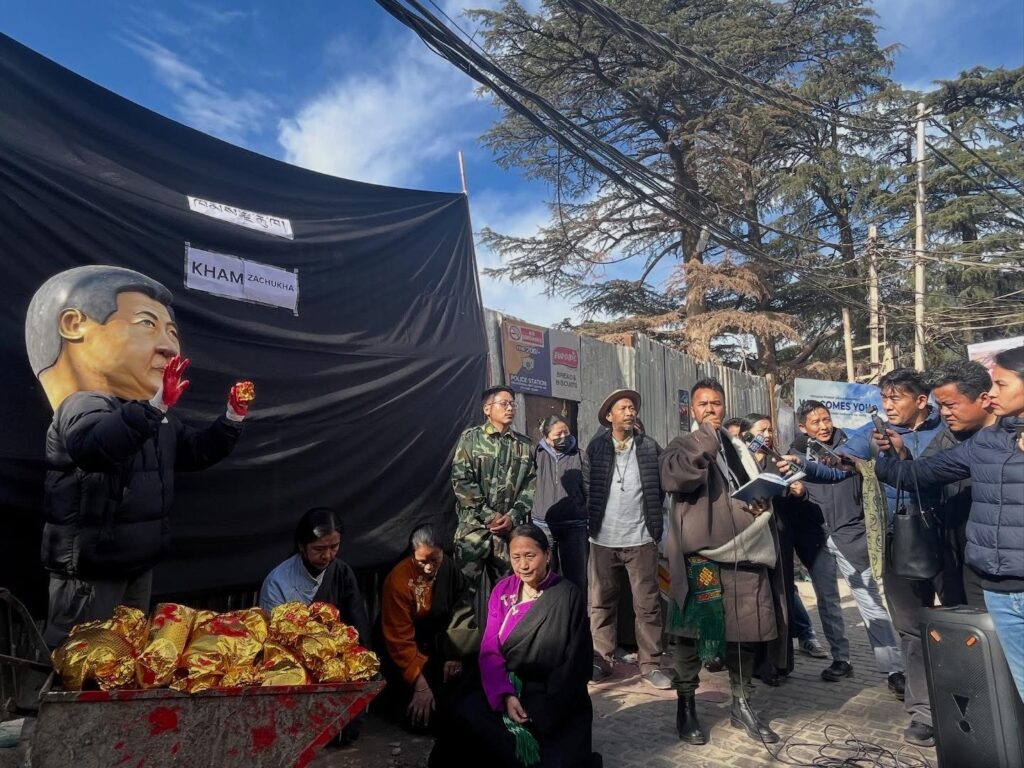
DHARAMSALA, 19 Dec: A coalition of five Tibetan NGOs in exile condemned China’s illegal gold mining project in Kashi Nomadic Village, located in the Kham Zachuka area of occupied Tibet. The project has reportedly led to the arbitrary detention and torture of more than 80 Tibetans, indigenous to the land, for appealing to authorities to halt mining operations they believe are destructive to the environment and threaten their identity as Tibetan nomads who have lived on the land since time immemorial.
At the press briefing today at McLeod Ganj, the coalition urged the international community to pressure China to immediately halt the gold mining project and to ensure that the Tibetan people are included in decision-making processes regarding their ancestral lands and livelihoods.
More urgently, the coalition demanded information on the whereabouts and safe return of seven Tibetans who have remained missing since their arrest on 6 November. While the remaining detainees have been released, many are reported to be in poor health, suffering from injuries sustained during detention, such as broken ribs, kidney-related illnesses, and relapses of tuberculosis.
Sources from occupied Tibet report that although medical examinations were conducted on the detainees, the results were not fully or transparently disclosed.
As of the latest update in December, the entire village has been placed under strict surveillance and heavy policing. According to sources, CCTV cameras have been installed in many households, severely restricting residents’ freedom of movement and expression. Furthermore, local Chinese authorities have declared protests against the gold mining project and the sharing of related information with the outside world to be serious violations of the law.
Under such systemic repression, the coalition strongly urged the international community to defend the fundamental rights of the Tibetan people and to pay close attention to the fragile ecosystem of the Tibetan Plateau. The coalition argued that the exposure of the Kashi Village case is further evidence of China’s long-standing extractive policies in occupied Tibet, involving precious minerals such as gold, silver, copper, and zinc since the 1980s.
It also warned of many other mining operations across occupied Tibet that remain undisclosed and unknown to both the international and Tibetan exile communities.
“What is clear is that the systemic destruction of the Tibetan Plateau’s fragile natural environment is ongoing, threatening not only Tibetans but the ecological balance of the entire region,” the coalition stated in its press statement.
Given the harsh and unlawful response of the Chinese authorities toward local Tibetans, it can be inferred that, without strong international intervention, the illegal gold mining project and the continued repression of the Tibetan people in occupied Tibet will conveniently persist in the modern era, despite its professed ideals of equality and justice.