Rain, Low Turnout Cloud 67th Tibetan Women’s Uprising Day in Dharamsala
By Tenzin Chokyi
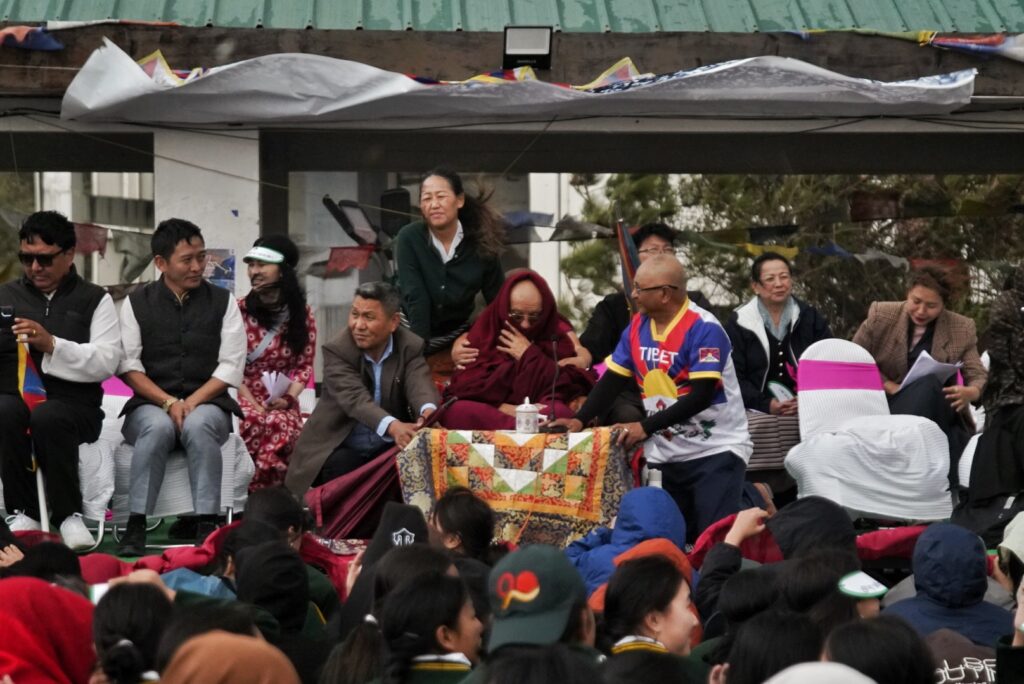
DHARAMSALA, 12 March: The Tibetan Women’s Association on Thursday commemorated the 67th anniversary of the Tibetan Women’s Uprising, which followed the 1959 Tibetan Uprising in Lhasa. The uprising occurred at a time of mounting Tibetan frustration over Chinese governance and reforms introduced after the signing of the Seventeen Point Agreement between the Ganden Phodrang government of Tibet and the People’s Republic of China under Mao Zedong.
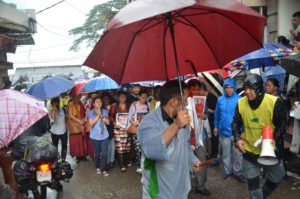
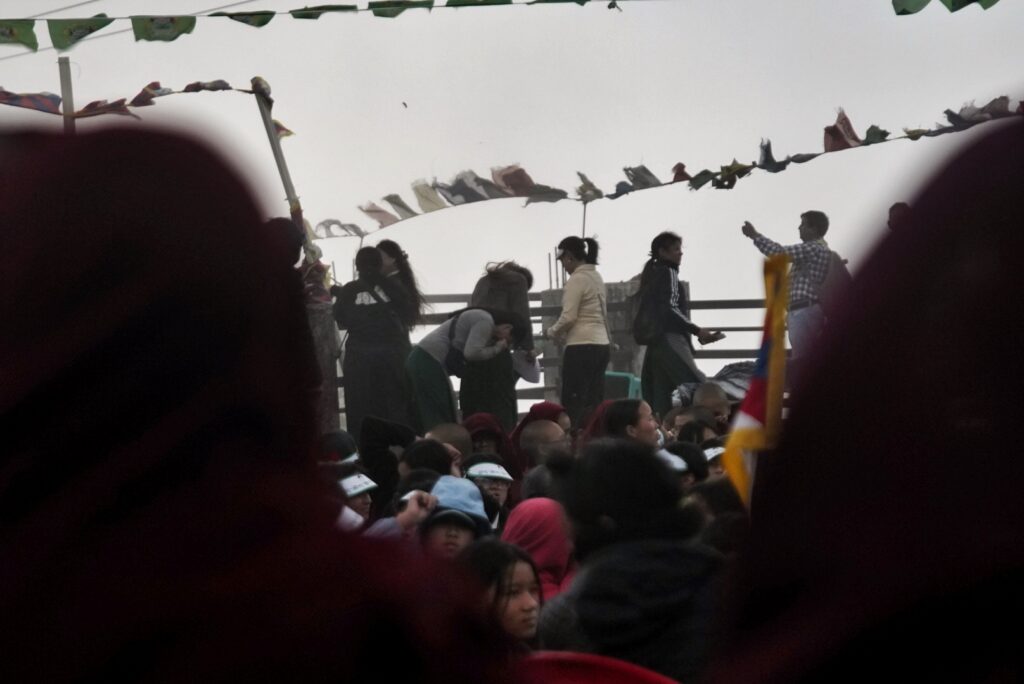
The commemorative event began at the McLeod Ganj parking lot despite approaching rain and stormy weather. The gathering drew a relatively small number of participants, reflecting a trend of declining public engagement that organizers say has increasingly become a concern during commemorative and advocacy events related to the Tibetan cause.
During the ceremony, the association reiterated its commitment to pursuing the Tibetan struggle through the Middle Way Approach. The annual protest march traditionally held to honor the courage of Tibetan women who took to the streets in 1959 was cancelled due to inclement weather and was instead conducted at the parking lot, where participants raised slogans calling for freedom for Tibet.
Addressing the gathering, Tsering Dolma, president of the association, expressed disappointment over the limited turnout, noting that similar patterns have been observed during other campaigns and programs organised by the association. “Maybe it’s because of the weather today for some, and for others they have simply chosen not to come,” she said.
She said the lack of participation reflects a broader issue of declining awareness among younger Tibetans about the historical events that shaped Tibet’s political struggle. According to her, the absence of stronger guidance from the older generation in educating younger Tibetans about Tibet’s recent history has contributed to a situation in which only a small group of committed individuals continues to participate actively, while many others remain largely indifferent.
Dolma urged Tibetans, particularly the younger generation, to take greater responsibility in supporting initiatives organized by Tibetan organizations working for the Tibetan cause. She emphasized that collective participation in such campaigns and programs remains essential in sustaining public awareness and unity around the issue of Tibet.
On March 12, 1959, two days after the March 10 uprising in the Tibetan capital, thousands of Tibetan women took to the streets of Lhasa, demanding freedom and protested against the illegal occupation of Tibet by the Chinese regime. Tibetans observe the day as Tibetan Women’s Uprising Day. Tibetan women who fled Tibet later established women’s groups in Kalimpong, Darjeeling and Gangtok in the early years of exile, continuing the observance in subsequent years. In 1984, under the guidance of the 14th Dalai Lama, the Tibetan Women’s Association was formally reconstituted to carry forward the legacy of the uprising and advocate for the Tibetan cause, with the organisation now operating numerous regional chapters across the Tibetan diaspora.