
Opinions

Why the World Must Prepare for a Transition in CCP Rule

By Khedroob Thondup

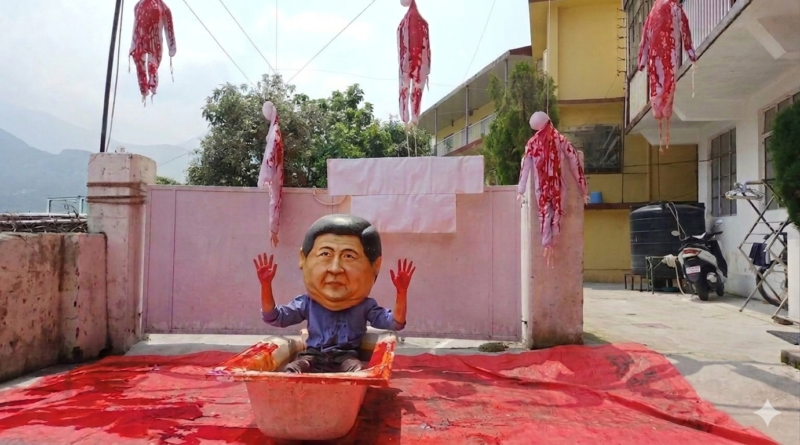
Preparing for the CCP’s Eventual Transition. History teaches us that authoritarian regimes rarely collapse in a neat or predictable fashion. The Chinese Communist Party (CCP), despite its formidable machinery of control, is not immune to the pressures of economic stagnation, demographic decline, internal factionalism, and external confrontation. The question is whether and when the CCP will face a moment of breakdown or transition, and whether the international community will be ready when it does.

Read more
Passive Resistance vs Non‑Violence: A Tibetan Strategy

By Khedroob Thondup

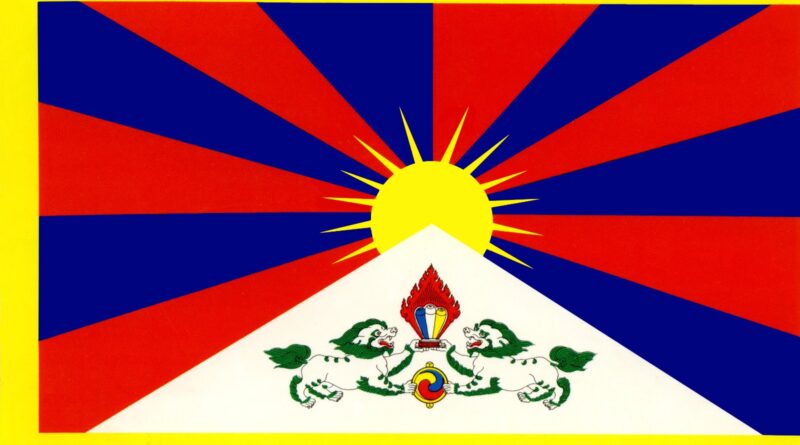
The Tibetan struggle has always been defined by moral clarity. Yet within that moral compass lies a crucial distinction: passive resistance and non‑violence are not interchangeable. Tibetans inside Tibet, living under the weight of surveillance and repression, must understand why passive resistance is not only pragmatic but essential — while non‑violence remains the broader ethical creed guiding the spirit of the movement.

Read more

Beijing’s Strategy on the Dalai Lama

By Khedroob Thondup
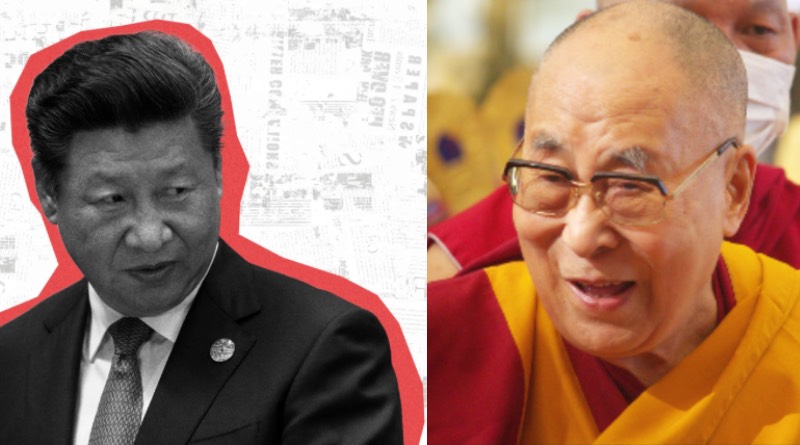
Beijing has consistently refused to negotiate with the Dalai Lama. This stance is not tactical indecision but a deliberate strategy: the Chinese leadership is playing a waiting game, anticipating that His Holiness’s passing will allow them to control succession and neutralise the Tibetan issue. While this approach may consolidate short-term authority, it carries significant risks for legitimacy, stability, and international relations.

Read more

From “Government in Exile” to “Central Tibetan Administration”: What’s in a Name?

By Khedroob Thondup
In the world of geopolitics, even the names we choose can carry immense weight. The terms “Tibetan Government in Exile” and “Central Tibetan Administration” (CTA) are more than mere labels—they reflect nuanced shifts in identity, diplomacy, and purpose. Understanding the differences between these two names allows us to glimpse the complex layers of the Tibetan struggle and the strategic decisions behind it.

Read more

How Washington Sold Out Tibet After Nixon’s China Gamble

By Khedroob Thondup

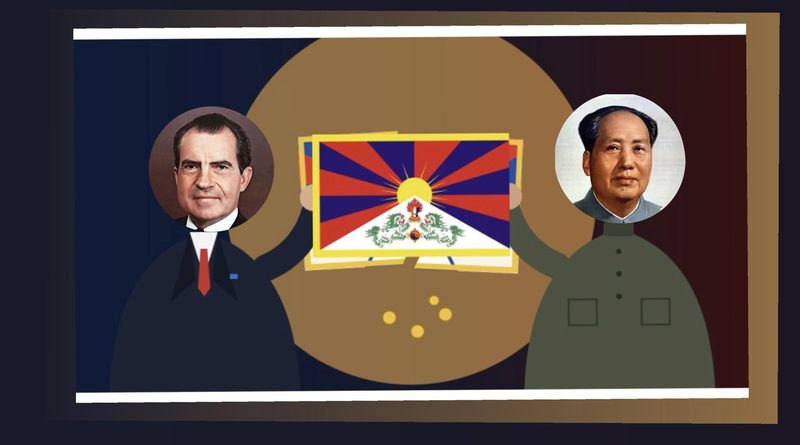
When Richard Nixon stepped off the plane in Beijing in 1972, the world hailed it as a masterstroke of diplomacy. The United States, locked in Cold War rivalry with the Soviet Union, had opened a new channel with Mao Zedong’s China. Yet for Tibetans, that handshake marked the beginning of a long betrayal. Tibet was quietly sacrificed on the altar of geopolitics, and successive U.S. administrations have continued the pattern—choosing silence over principle, accommodation over advocacy.

Read more

Taiwan Will Never Choose Beijing: Tibet’s Lesson in Lost Freedom

By Khedroob Thondup

Taiwan is already an independent country in practice—democratic, self‑governing, and globally integrated. The question is not whether Taiwan wants independence, but why it will never willingly surrender it to Beijing. The answer lies in Tibet’s tragic example: once promised autonomy, Tibet instead became a cautionary tale of repression, assimilation, and broken promises under the Chinese Communist Party (CCP).

Read more

The Middle Way Has Outlived Its Moment

By Khedroob Thondup

When His Holiness the Dalai Lama proposed the Middle Way Approach, it was an act of visionary pragmatism. By renouncing independence and seeking “genuine autonomy” within the People’s Republic of China, he offered Beijing a compromise: sovereignty for China, cultural survival for Tibetans. The Central Tibetan Administration (CTA) embraced this path, presenting it as a moderate, nonviolent solution that could win international sympathy and open dialogue with Beijing.

Read more

The Tibetan Diaspora in America Shows Xi That Tibet Cannot Be Silenced

By Khedroob Thondup
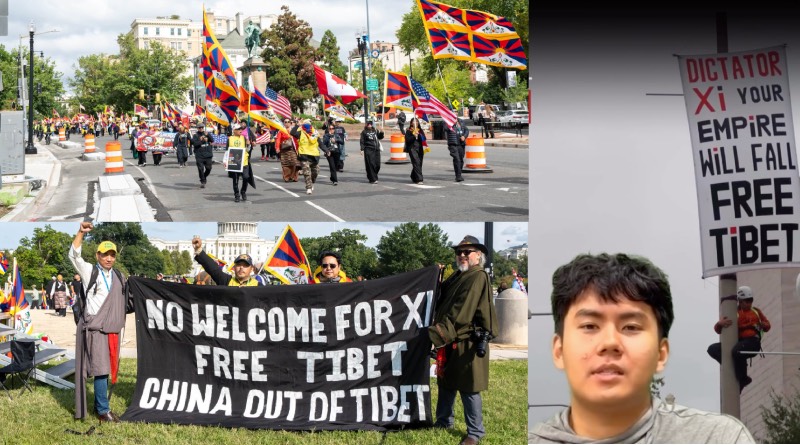
For decades, Beijing has tried to erase Tibet from the global stage. Xi Jinping’s government has passed laws designed to suffocate Tibetan culture, restrict religious practice, and criminalize dissent. Yet despite these efforts, the Tibetan issue has not disappeared. In fact, it has grown stronger, more visible, and more globally supported — thanks in large part to the Tibetan diaspora in the U.S.

Read more

Beijing’s Reluctance to Trust Tibetans with Tibet

By Khedroob Thondup

China’s governance of Tibet has always been marked by a deep mistrust of Tibetans themselves. The appointment of Hu Changsheng as Party Secretary in Tibet is yet another reminder of this reality. Hu does not speak Tibetan, nor does he understand the customs, traditions, or spiritual life of the people he is meant to govern. His authority rests not on legitimacy or cultural understanding, but on the coercive machinery of the state. This is not accidental—it is the very design of Beijing’s rule in Tibet.

Read more

Tibetan Buddhism in Beijing’s Political Crosshairs

By Khedroob Thondup

The Chinese Communist Party’s (CCP) United Front Work Department (UFWD) has been actively engaging with the 17th Karmapa, Ogyen Trinley Dorje, in a bid to influence Tibetan Buddhism and assert control over its spiritual leadership. This outreach includes arranging meetings between the Karmapa and his parents in Hong Kong and providing regular advice on his future. Understanding the motivations and methods behind this outreach reveals the broader strategic objectives of the CCP.

Read more