Tibetan Freedom Fighters’ Conclave Passes 28 Resolutions, Honours Gaden Phodrang Officials
By Tenzin Chokyi
DHARAMSALA, 27 April: The Tibetan Freedom Fighters’ Conclave, held on 24–25 April and organised by the Department of Security under the Central Tibetan Administration (CTA), unanimously passed a resolution expressing gratitude to individuals associated with the Gaden Phodrang institution for their service and continued support of the 14th Dalai Lama. The Gaden Phodrang, which historically served as Tibet’s governing authority, now functions as the private office of the Dalai Lama following his devolution of political authority in 2011.
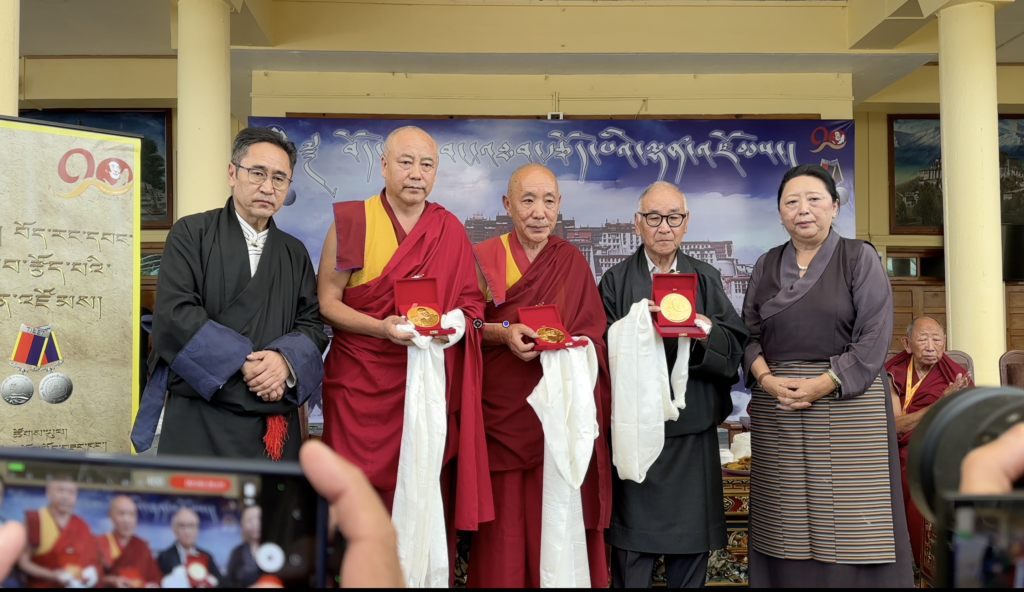
During a ceremony held today at the Tsuklakhang, the main temple in McLeod Ganj, three representatives from the Gaden Phodrang Institution—Desang Tsering, Secretary of the Gaden Phodrang Institution; Monk Godruk, a senior administrator from the Dalai Lama’s Office; and Benza Thupten, a personal attendant to the Tibetan spiritual leader and former political prisoner—were awarded recognition medals for their lifelong service and contributions to the Tibetan spiritual leader.
Kalon Gyari Dolma, Minister of the Department of Security, stated that the Department had long envisioned this recognition and has now been formally presented through the Tibetan Freedom Fighters’ Conclave, rather than being postponed any further. The recognition formed part of the 28 resolutions adopted during the dialogue on the Tibetan freedom movement.
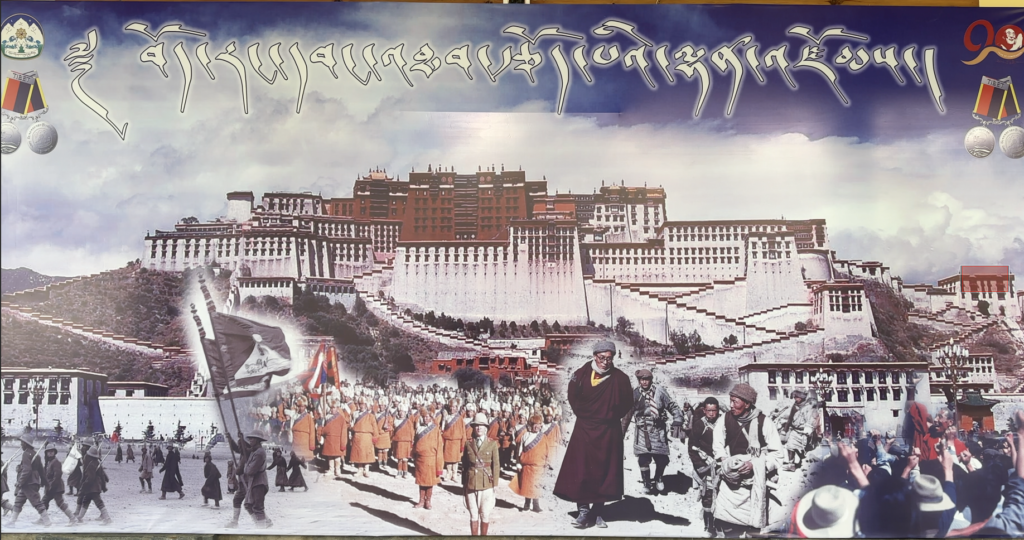
A total of 89 participants took part in the conclave, including former political prisoners, veterans of the army of independent Tibet, members of the Tibetan Resistance Fighters, better known as the Chushi Gangdruk (“Four Rivers, Six Ranges”), members of the former Lodrik (an organisation formed by former Tibetan guerrilla fighters in 1960), representatives of the former army of the Special Frontier Force (SFF); and former security personnel of the Dalai Lama.
The conclave was convened to encourage discussions grounded in historical context, current realities, and the lived experiences of Tibetan freedom fighters, with the aim of identifying future priorities and actions for the Tibetan freedom movement, as well as shaping the future course and responsibilities of the Department of Security of the Tibetan government-in-exile.
The resolutions have not yet been fully disclosed to the public. However, Karma Rinchen, Secretary of the Department of Security, stated that among the 28 resolutions adopted, two key resolutions were highlighted—one focusing on how Tibetans can work toward fulfilling the directives of the 14th Dalai Lama, and the other emphasising the importance of recognising both the opportunities available to the Tibetan community and the challenges it faces.
As the Tibetan freedom movement is officially based on the Middle Way Approach, a key guiding principle of the exile movement, the media questioned whether any discussion of the policy took place during the conclave. The Secretary clarified that there was no specific deliberation on the policy.
Speaking to two veterans of the Special Frontier Force (SFF), they said there was no dedicated discussion of the policy during the conclave, although they expressed full support for the Middle Way Approach, describing it as the most viable path for the Tibetan freedom struggle against China.
They further stated that one of the key suggestions raised was that, while political responsibilities are handled by the Central Tibetan Administration (CTA), there remains a need to consider the establishment of a Tibetan military force and a designated military camp, arguing that such an institution is essential for any nation’s security. They also expressed concern over the declining number of Tibetans joining the SFF, attributing this trend to increasing migration to Western countries within the exile community.
Dawa, a veteran Special Frontier Force (SFF) member who has been awarded the Shaurya Chakra for bravery, stated that under the current arrangement with the Indian government, Tibetan personnel serving in the SFF receive a stable salary, and the Tibetan exile administration is not required to bear their financial upkeep. He further noted that SFF personnel contribute a significant amount in taxes to the Tibetan exile government, and that recruitment into the force can help support families financially—potentially reducing migration abroad and encouraging families to remain in Tibetan refugee settlements in India.
“If I were given the option to send my children abroad or into the army, I would undoubtedly choose the latter,” said Dawa.
When asked about the relevance of such a military role in the future, given the official policy of the Tibetan government-in-exile—which does not seek Tibetan sovereignty, advocates nonviolence, and seeks integration within the framework of modern sovereign China, while continuing to affirm Tibet’s historical independence—veteran Kalden Choesang said, “We lost our land because, although we had an army, we did not have a strong military force back then. There were no facilities for the army; families themselves had to support and sustain it.”