Detained Tibetan Writers Face Health Crisis Amid Reports of Medical Neglect
By Tenzin Chokyi
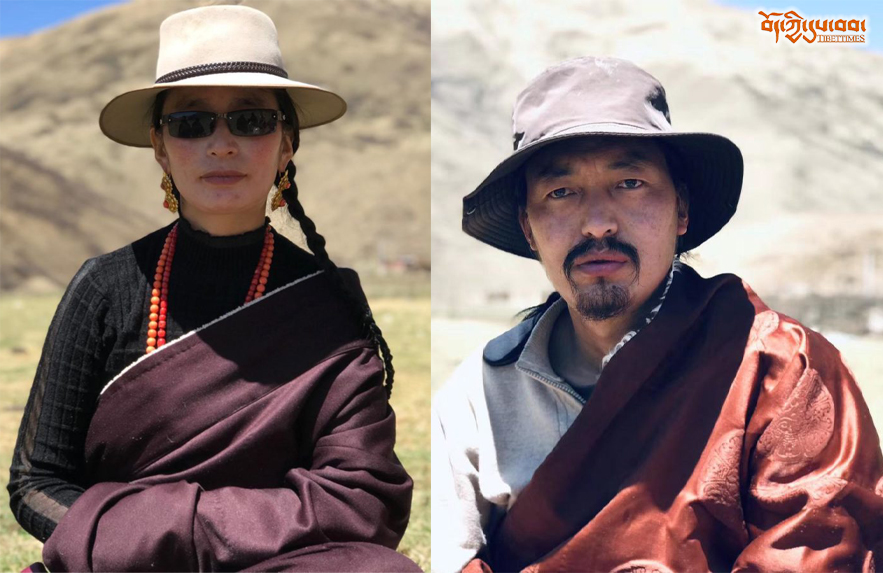
DHARAMSALA, 22 April: Reports from Tibetan sources have raised alarm over the deteriorating health of two detained writers in occupied Tibet, underscoring broader concerns about prisoner welfare and access to adequate medical care in custody under Chinese colonial authorities.
According to Tibet Times, writers Gangkye Drubpa Kyab and Tsering Dolma are facing serious health challenges that appear to have been exacerbated by delayed or insufficient treatment while imprisoned.
Gangkye Drubpa Kyab, known for his literary works reflecting on Tibetan identity and social realities, is reportedly experiencing severe cognitive decline, vision impairment, and complications related to heart and kidney function. Despite these conditions, access to consistent medical care is said to be lacking. Family contact has also been limited; relatives were permitted a single visit in 2024, with subsequent requests denied. His current location remains unclear, with reports suggesting frequent transfers between detention facilities.
Drubpa Kyab’s legal troubles span more than a decade. Following an earlier imprisonment from 2013 to 2016—reportedly linked to his writings and the alleged founding of a group described as the “Red Resistance Group”—he was detained again in March 2021. In 2022, he received a 14-year sentence on charges of “inciting separatism” and “endangering state security.” Authorities have repeatedly cited his publications, such as Calls from Afar and The Red Blood of 2008, as evidence of political dissent.
Parallel concerns surround Tsering Dolma, who has also endured multiple detentions since participating in protests in 2008. Arrested again in April 2021, she is believed to have suffered physical abuse during custody, including an incident that reportedly left her with a broken hip. Her health has since declined, with ongoing pain, memory issues, and heart-related problems cited in recent accounts.
Sources indicate that both cases reflect a pattern of harsh treatment and restricted medical access for certain detainees, particularly those accused of politically sensitive activities. Observers note that such conditions may conflict with established prison regulations requiring adequate healthcare for inmates.
The situation has drawn renewed attention to the treatment of Tibetan cultural figures and activists, as well as the broader human rights implications surrounding detention practices. References to the Dalai Lama, whose image reportedly played a role in one of Drubpa Kyab’s earlier detentions, continue to underscore the sensitivity of cultural and political expression in the occupied region.
As details remain difficult to independently verify due to restricted access, advocacy groups are increasinglycalling for greater transparency and adherence to international standards on prisoner welfare.