Opinions

Empires Wax and Wane: Tibet and the Limits of Beijing’s Assimilation

By Khedroob Thondup
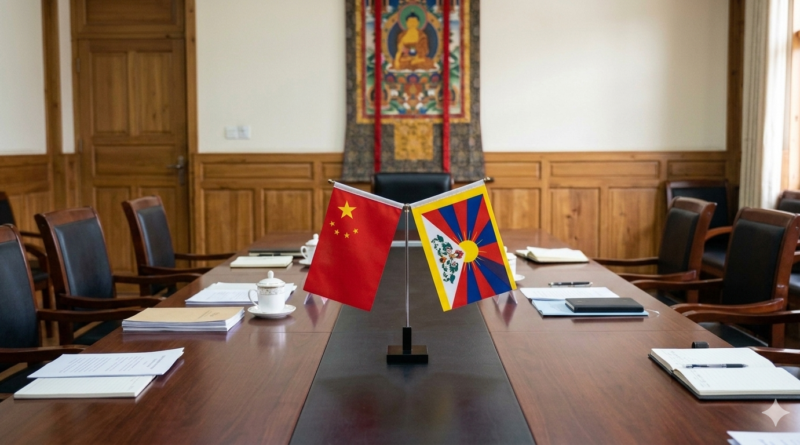
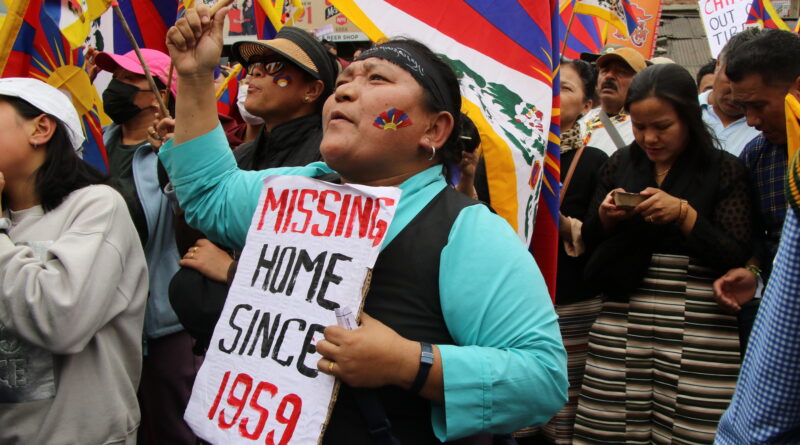
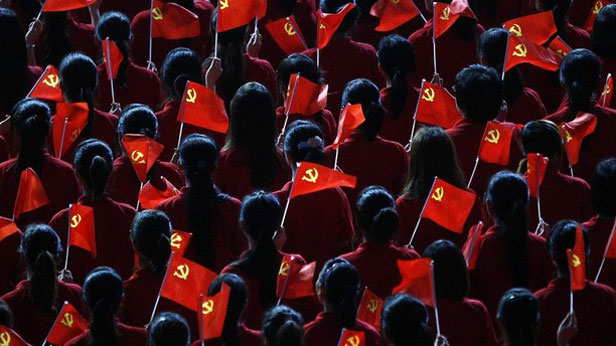
The sweep of history reminds us of a simple truth: no empire, however mighty, is permanent. Rome, the Ottomans, the British Raj—all believed their dominion eternal, only to discover that power is cyclical, not absolute. Today, the Chinese Communist Party (CCP) exercises seemingly unassailable control over the Tibetan Plateau, integrating it through modernization, surveillance, and demographic engineering. Yet the long arc of history suggests that rigid, coercive assimilation strategies ultimately face systemic limits.
Read more

The Reluctant Empire: Why China Will Not Easily Relinquish Tibet

By Khedroob Thondup
For sixty-seven years, Tibet has remained under Chinese occupation—a reality that has reshaped the Himalayan plateau and reverberated across the world. To imagine Beijing voluntarily loosening its grip on Tibet without seismic shifts inside China itself is to misunderstand both the strategic calculus of the Chinese state and the symbolic weight Tibet carries in the Chinese Communist Party’s narrative.

Read more

The Unbreakable Bond: Tibet’s Faith and the Dalai Lama

By Khedroob Thondup

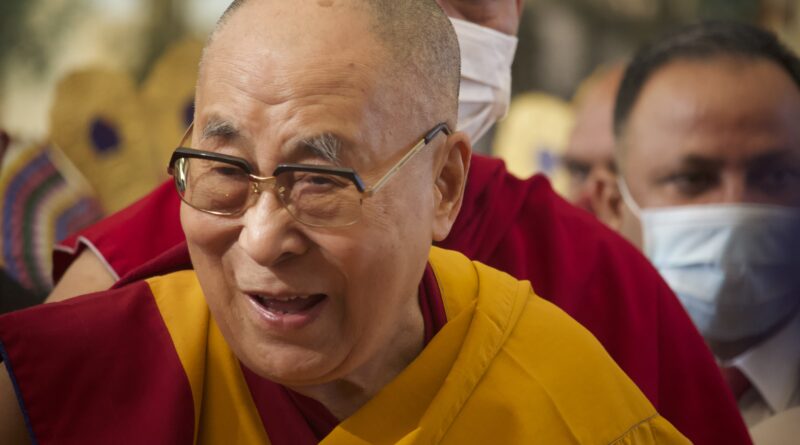
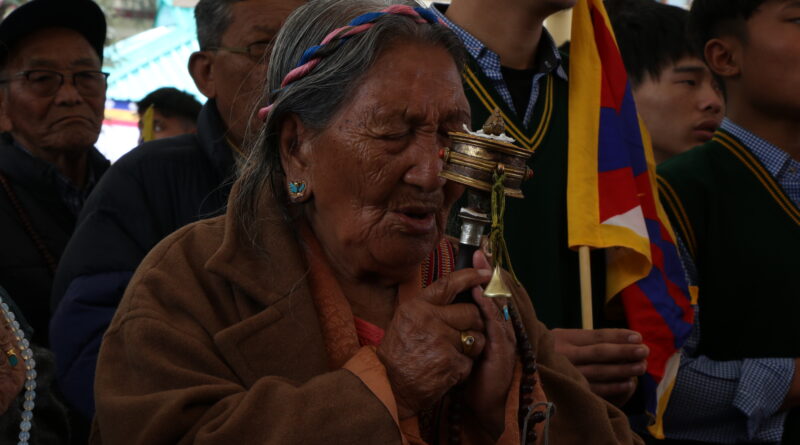
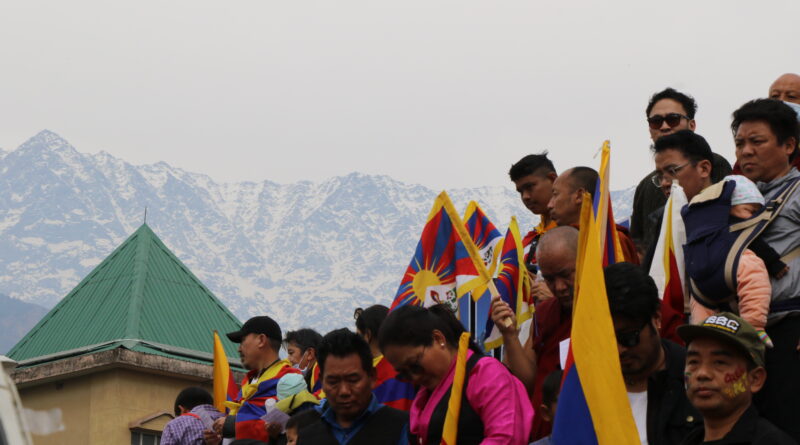
In the long arc of Tibetan history, the Chinese Communist Party has sought to erode the spiritual foundations of Tibetan identity. Yet, despite decades of repression, the Tibetan people’s devotion to His Holiness the Dalai Lama and their deep-rooted belief in religion remain unshaken. These are not fragile sentiments that can be legislated away; they are enduring strengths that continue to define Tibet’s resilience.

Read more

Beijing’s Bid to Control Faith

By Khedroob Thondup
The Chinese Communist Party (CCP) has long seen religion not as a matter of conscience but as a potential rival to state authority. Its current campaign to rebrand Tibetan Buddhism as “Chinese Buddhism” is part of a broader project: the domestication of all faith traditions under the Party’s ideological umbrella.

Read more

Forty-Seven Years Since Deng’s Opening

By Khedroob Thondup

In 1979, Gyalo Thondup’s meeting with Deng Xiaoping in Beijing marked the beginning of a new chapter in Tibet’s modern history. Deng’s words were blunt: “Anything but Independence can be discussed.” With that statement, the parameters of dialogue were set, and Tibetans entered into a process that would span decades, yielding both moments of hope and deep disillusionment.

Read more

The CCP’s Superpower Ambition: Wealth, Arms, and the Weight of Reality

By Khedroob Thondup
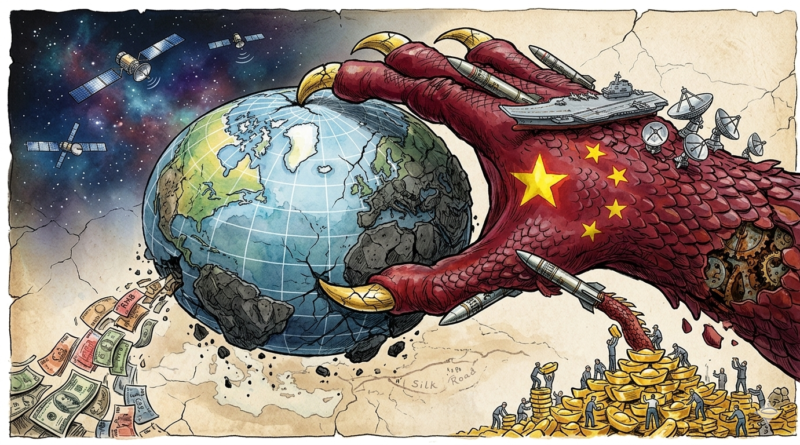
Chinese Communist Party (CCP) has long envisioned a future where the nation stands shoulder to shoulder with — or above — the United States as a global superpower. This ambition rests on two pillars: economic might and military strength. Yet, the trajectory is far from smooth. The CCP’s path is being tested by slowing growth, demographic decline, and intensifying confrontations abroad.

Read more

Guarding Tibetan Identity Against Sinicization

By Khedroob Thondup

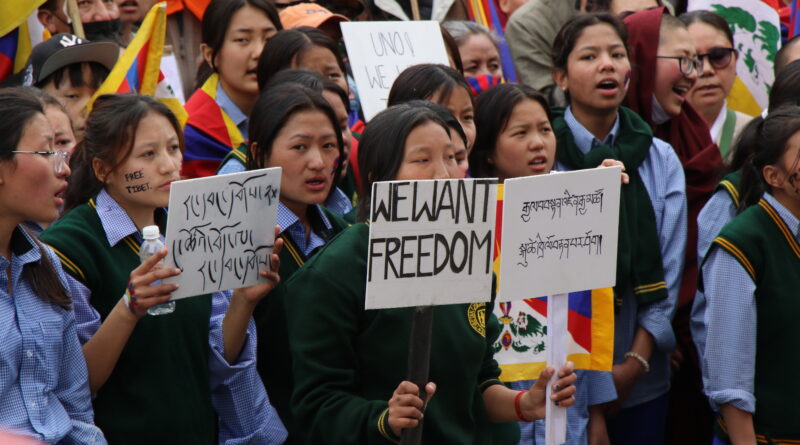
The Tibetan struggle today is not only about sovereignty or autonomy—it is about survival. Communist China’s project of Sinicization is relentless: language policies that erode Tibetan in schools, religious restrictions that hollow out monasteries, demographic engineering that dilutes Tibetan presence in our own homeland. If Tibetans—inside Tibet and across the diaspora—do not act decisively, the distinctiveness of our culture risks being absorbed into a homogenised Chinese identity.

Read more