Ink as Resistance: Dharamsala Exhibition Honours Tibetan Calligraphy Day
By Tenzin Chokyi
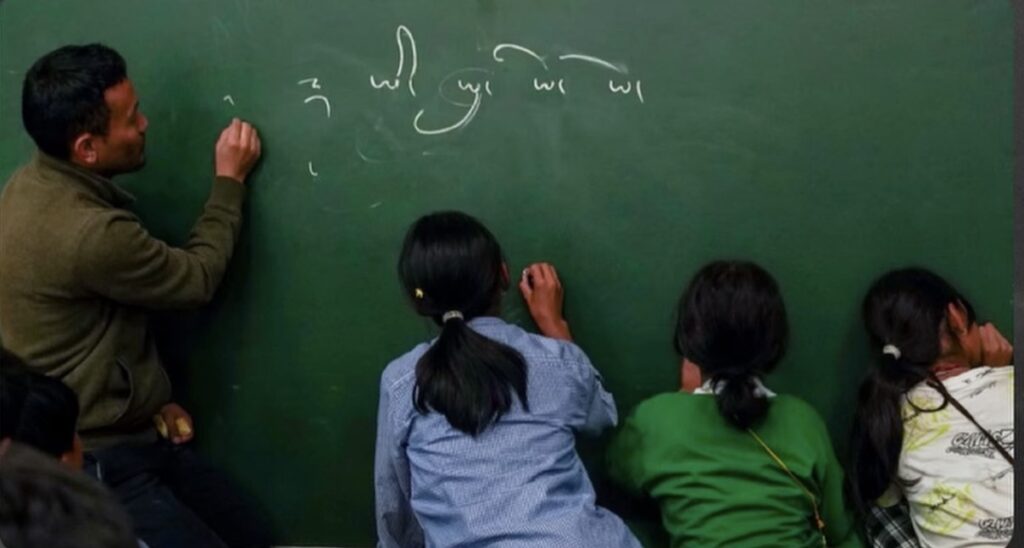
A Fading Art Gets Its Day: Tibetan Calligraphy Takes Centre Stage. Image: Sonam Topgyal
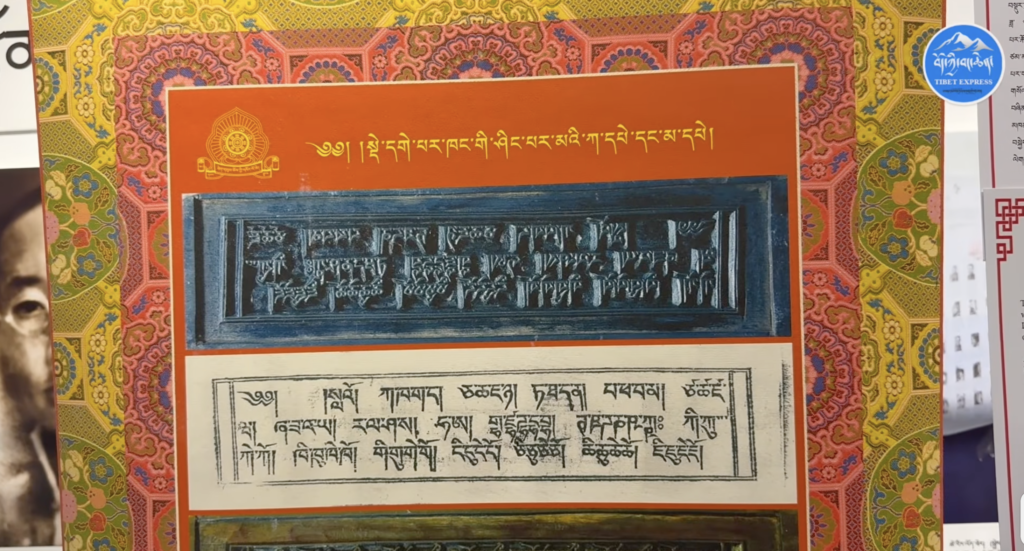
DHARAMSALA, 30 April: The Department of Information & International Relations of the Central Tibetan Administration (CTA), in collaboration with Palpung Sherap Ling Monastery, launched a Tibetan calligraphy exhibition at the Tibet Museum to celebrate Tibetan Calligraphy Day, observed annually on 30 April.
Originally initiated by Tibetans inside occupied Tibet in 2017, the day has been celebrated on a larger scale within the exile community since last year, with elaborate exhibitions and competitions. The art of Tibetan handwriting, however, has long been preserved and promoted in exile, particularly at Sherap Ling Monastery under the guidance of Tai Situ Rinpoche, its spiritual head. With a rich history of fostering innovation while safeguarding tradition, the institution continues to play a key role in sustaining this art form.
Reflecting this ongoing commitment to preservation, the exhibition showcased six selected styles of Tibetan calligraphy from a broader collection of more than 200 calligraphic works, including Lanydza (ལཉྫ), Uchen (དབུ་ཅན་), Sug Ring (སུག་རིང་), Ba Tu (ལྦ་རྟུ་), Druza (འབྲུ་ཚ་), and Deb Dri (སྡེབ་བྲིས་). It also featured expert talks on Tibetan calligraphy and its evolution, as well as a talk on Tibetan typography by Jo De Baerdemaeker, a Belgian typeface designer, researcher, and founder of Studio Type.
Speaking at the event, Tenzin Topdhen, Director of the Tibet Museum, stated that the exhibition and programme represent a blend of tradition and modernity, aimed at bridging the gap between older and younger generations. This approach aligns with the museum’s goals for all its exhibitions. He further emphasised the importance of preserving such art forms in the face of China’s aggressive assimilation policies, including the recently introduced “Ethnic Unity” law, noting that the Tibetan language and its script constitute fundamental pillars of Tibetan identity.
Adding to the discussion, Monk Karma Rinchen, an administrator and teacher at Sherap Ling Monastery, noted in his presentation on the evolution of Tibetan calligraphy that the art form is becoming increasingly irrelevant in the digital age. However, he emphasised that preserving such traditions remains essential, as they provide a vital window into the past and reveal important insights about society and its cultural heritage.
Acknowledging the challenges of making a livelihood from a declining art form, he encouraged economically well-off members of the Tibetan community to support calligraphers as a means of sustaining the tradition. He also addressed a widespread misunderstanding within the Tibetan community, clarifying that although the Tibetan script was derived from the Indian Gupta and Nagari scripts, the Tibetan language itself predated the development of its written form.
In addition to the main programme at the Tibet Museum, the day was also marked by parallel events elsewhere. The programme included a teaching session on Tibetan calligraphy, while Students for a Free Tibet (SFT) and Wasur (ཝ་ཟུར), an independent reading group focused on Tibetan literature, organised separate commemorations at the Tibetan Children’s Village School in Upper Dharamsala. These events featured exhibitions, instructional sessions for students, and calligraphy competitions.