The Summit and the Shadow: Tenzin Norgay’s Hidden Truth
By Khedroob Thondup
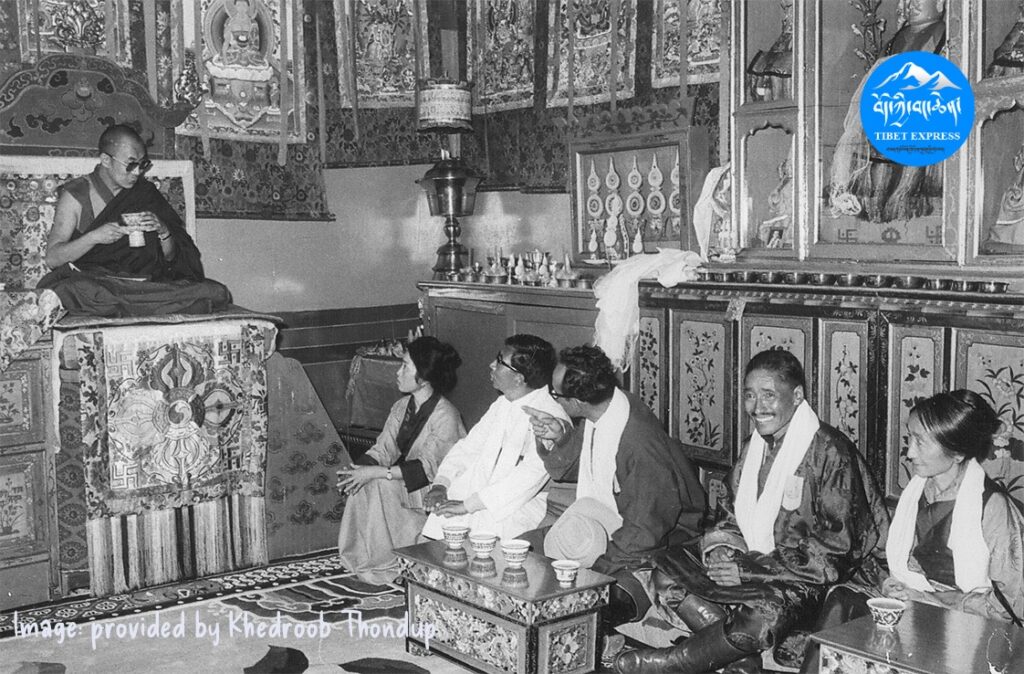
There are moments in life when history itself leans close, whispers in your ear, and then retreats, leaving you with a burden of memory. One such moment came when Tenzin Norgay—known to the world as Tenzing—confided to me in a voice stripped of ceremony, “I am Tibetan.”
The world had already enshrined him in legend as the Sherpa who accompanied Sir Edmund Hillary to the top of Everest in 1953. But in that private exchange, he revealed something deeper: the exile of identity, the quiet erasure of Tibetanness in the narrative of conquest. His words were not a boast but a reclamation, a reminder that the summit was not only a geographical peak but also a stage where identities were negotiated, obscured, and sometimes denied.
The Question of First Footsteps. I asked him, perhaps naively, who had set foot on Everest first. The question carried the weight of decades of speculation, of historians parsing photographs and diaries, of nations eager to claim precedence. His reply was simple, unadorned, and devastating in its honesty: “I had to carry Sir Edmund Hillary to the peak in the final stretch.”
That confession reframed the triumph. The official record, polished for posterity, celebrated Hillary as the first man to stand atop the world. Yet Norgay’s words revealed the hidden scaffolding of glory: the strength of a Tibetan body, the endurance of a Tibetan spirit, the humility of a Tibetan heart. He was not merely a companion; he was the bearer of another man’s immortality.
The Politics of Recognition. Everest was never just a mountain. It was a geopolitical theater, a place where colonial ambition, national pride, and human endurance converged. For Britain, Hillary’s ascent symbolized imperial resilience. For Nepal, Norgay’s role was folded into the Sherpa identity, a convenient narrative that obscured his Tibetan roots. For Tibetans, however, his whispered confession was a reminder of how exile reshapes even the most heroic stories.
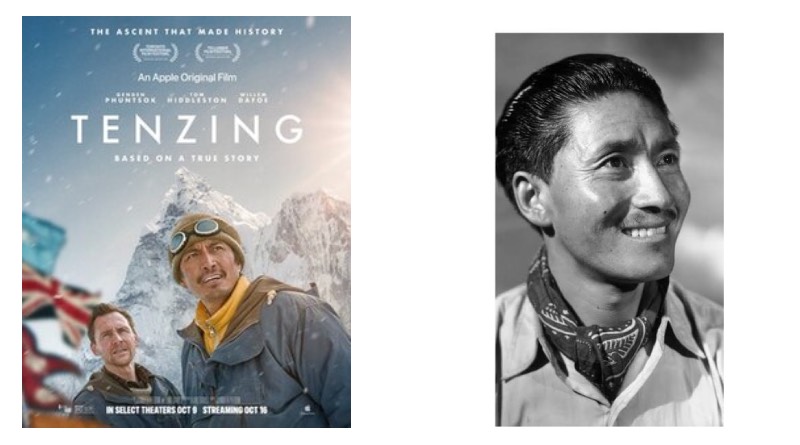
Recognition is political. Who is remembered, who is named, who is erased—these are decisions made not on the summit but in the corridors of power. Norgay’s Tibetan identity was inconvenient to the narrative of the time, and so it was muted. Yet in his words, I heard the echo of a nation struggling to assert itself against erasure.
Everest as Metaphor. The mountain itself becomes a metaphor for Tibet. Just as Everest towers above the world, Tibet’s culture and spirit stand resilient despite decades of suppression. And just as Norgay carried Hillary to the peak, Tibetans have carried the weight of others’ triumphs while their own story remains obscured. The summit, in this reading, is not only a place of conquest but also a symbol of the Tibetan struggle: to be seen, to be named, to be remembered.
The Burden of Memory. What struck me most was not the content of Norgay’s confession but the manner in which he delivered it. There was no bitterness, no resentment, only a quiet dignity. He knew that history would not record the nuance, that the textbooks would continue to enshrine Hillary as the solitary conqueror. Yet he entrusted me with the truth, as if to say: Carry this memory, for I cannot.
In that moment, I understood that memory itself is a form of resistance. To recall his words is to challenge the official record, to insist that the summit was not reached alone, and that Tibet was present on that peak, even if unacknowledged.
Conclusion: The Hidden Summit. The anecdote of Norgay’s confession is more than a footnote to history. It reminds us that behind every triumph lies an untold story, often carried on the shoulders of those denied recognition. His words—“I am Tibetan” and “I had to carry Hillary”—are not just revelations; they are indictments of how history is written.
Everest will always be the highest mountain, but the true summit lies in acknowledging the hidden truths, the whispered identities, and the burdens carried in silence. In remembering Norgay’s confession, we honor not only the man but also the nation he claimed in confidence, a nation still struggling to be seen.
Khedroob Thondup is a former Tibetan diplomat, parliamentarian and the nephew of the 14th Dalai Lama. He is also the editor of the book ‘Dalai Lama, My Son and Tibet in Turmoil.’
The views expressed in this article are those of the author and should not be attributed to Tibet Express.