Tibetan Political Prisoner Released After 18 Years, Returns Home in Failing Health
By Tenzin Chokyi
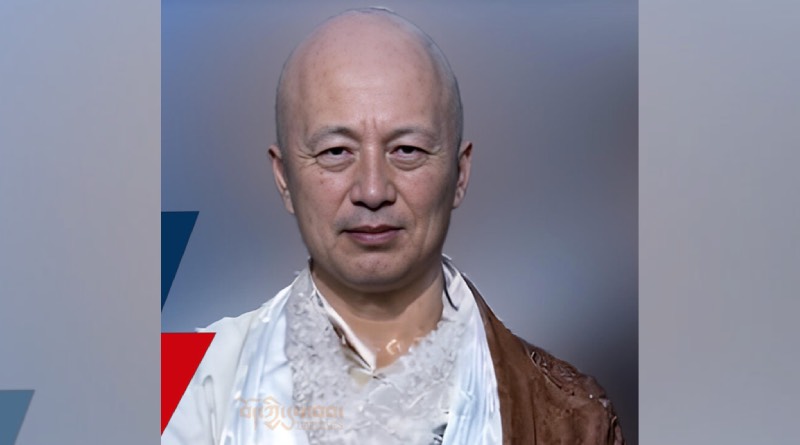
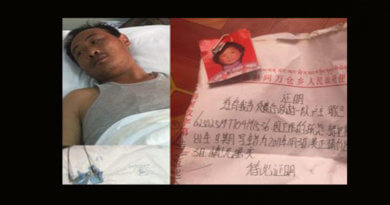
DHARAMSALA, 10 April: Yeshe Sangpo, a 58-year-old Tibetan man from occupied Tibet, was released by Chinese authorities on March 25 after serving 18 years in prison. Reports indicate that he is in extremely poor health following his long period of detention.
According to a report by Tibet Times, Yeshe Sangpo is a resident of Bum Nyin village in Sershul County, Kardze, Kham in eastern Tibet. He was arrested in 2007 along with his brother Lobsang for leading local Tibetans who were demonstrating to protect their linguistic and cultural rights, including the freedom to preserve and use the Tibetan language.
Sources indicate that authorities used force to suppress the protest, with reports of protesters being beaten, leading to a violent clash. In the aftermath, Yeshe Sangpo, described as a leading figure among the demonstrators, was arrested and detained at the local police station for several months in connection with the death of a Chinese police officer during the incident.
In May 2008, he was sentenced to 18 years in prison. Tibetan sources and observers argue that such charges are often used to target and silence key community leaders advocating for fundamental cultural and linguistic rights.
His arrest and sentencing took place in the period leading up to the 2008 Beijing Olympics, when widespread Tibetan protests occurred both inside occupied Tibet and internationally. Marking the 49th anniversary of the 1959 Tibetan uprising, protests intensified across Tibetan regions and culminated in the March 10, 2008 uprising in Lhasa and surrounding areas, along with solidarity demonstrations abroad.
Many Tibetans called for freedom from Chinese rule, the return of the Dalai Lama, and the protection of their religious and cultural rights. Authorities responded with intensified security crackdowns involving thousands of armed personnel, strict movement restrictions, censorship measures, and widespread detentions of protesters. Reports also documented excessive use of force, including beatings, tear gas, and in some cases, live ammunition during the suppression of demonstrations.