Tibet’s Unyielding Demand for Independence
By Khedroob Thondup
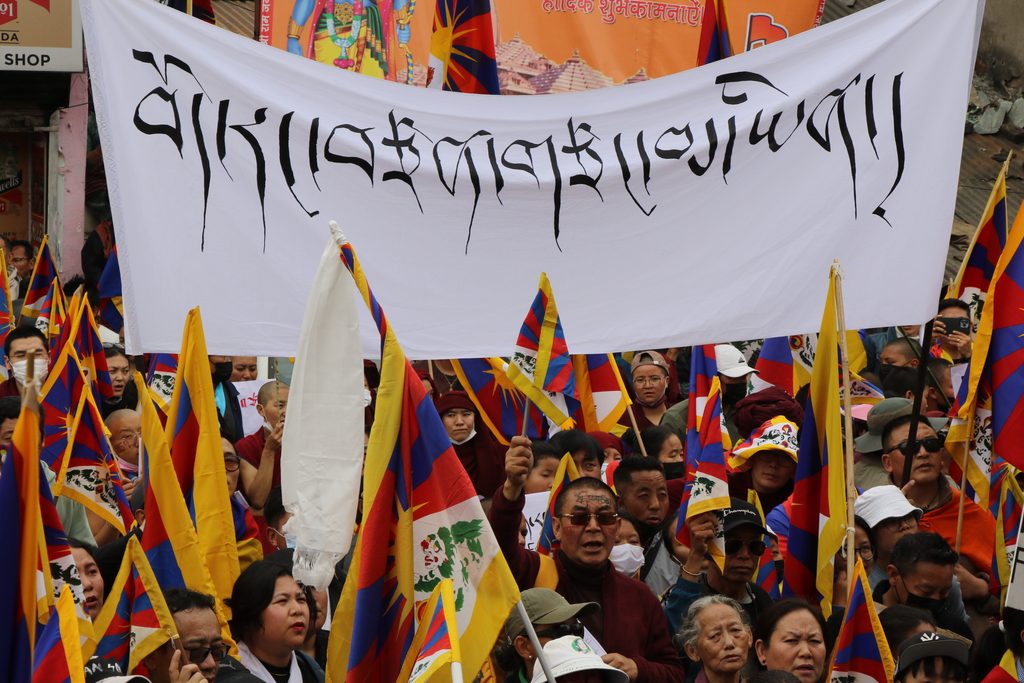
For sixty-seven years, Tibet has endured the heavy hand of Communist China’s occupation. If Tibetans were ever given a genuine choice, the majority would not choose to remain under Beijing’s rule. The lived experience of generations—marked by broken promises, cultural suppression, and political disenfranchisement—has forged a collective conviction: independence is not optional; it is essential. For me personally, the idea of accepting Chinese rule is unthinkable.
The Broken Covenant of Autonomy. The Seventeen Point Agreement of 1951 was presented as a guarantee of Tibet’s autonomy, religion, and culture. In reality, it was a trap. Within a few years, monasteries were destroyed, leaders imprisoned, and the Dalai Lama forced into exile after the 1959 Uprising. Tibetans learned that Beijing’s word was not a covenant but a betrayal.
Daily Life Under Occupation. Surveillance: Tibet today is one of the most monitored regions in the world, where cameras and checkpoints track every move.
Cultural Assimilation: Tibetan language is marginalized, children are funneled into Mandarin-only boarding schools, and traditions are diluted under the banner of “unity.”
Religious Repression: Monasteries are raided, monks detained, and even images of the Dalai Lama banned. These are not policies of coexistence—they are instruments of erasure.
Why Tibetans Would Vote for Independence. If Tibetans were ever allowed a free referendum, the outcome would be clear. Decades of repression have convinced them that coexistence under CCP rule is impossible. China’s track record—broken agreements, suppression of culture, and denial of basic freedoms—has destroyed any credibility. Secession would not be a radical act; it would be the natural response to generations of betrayal.
The Spirit That Cannot Be Broken. Despite the occupation, Tibetans continue to resist. In whispered prayers, hidden teachings, and the preservation of language, they keep alive the flame of identity. The diaspora amplifies their voice, reminding the world that Tibet is not forgotten.
Conclusion. After sixty-seven years, Tibetans have no trust in the CCP. The occupation has failed to win hearts or minds; it has only hardened the conviction that Tibet must be free. For me, independence is not just a political demand—it is a necessity born of lived experience. I can never accept Chinese rule, and I know countless Tibetans feel the same.

Khedroob Thondup is a former Tibetan diplomat and parliamentarian and nephew of the 14th Dalai Lama. He is also the editor of the book, ‘Dalai Lama, My Son and Tibet in Turmoil.’
The views expressed in this article are those of the author and should not be attributed to Tibet Express.