
8th International Rangzen Conference Calls on CTA to Reinstate Demand for Tibet’s Independence
By Tenzin Chokyi
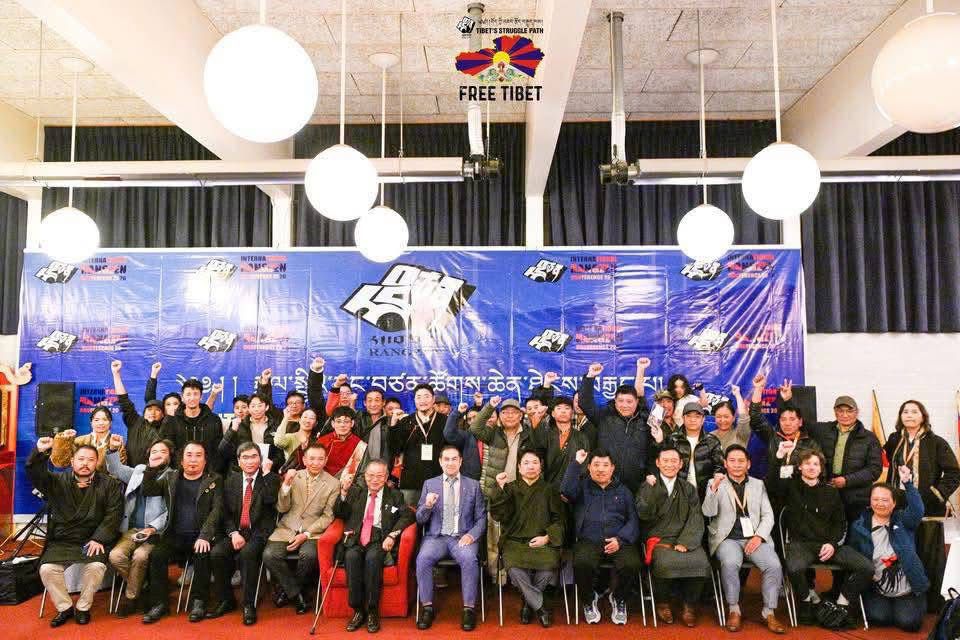
DHARAMSALA 26 May: The 8th International Rangzen Conference, the largest global gathering advocating for Tibetan independence, concluded today with a strong appeal to the Central Tibetan Administration (CTA), also known as the Tibetan government-in-exile, to withdraw its longstanding Middle Way policy, which calls for genuine autonomy for Tibetans under Chinese rule and to restore its demand for independence.
According to a four-point resolution adopted at the conference, held from 23 to 26 May in the Blue Mountains in Australia, the call to reinstate Tibet’s independence stems from continued Chinese disregard for the demands put forward by the Tibetan people and their leadership, undermining trust and confidence in the Chinese government.
The stance is further reinforced by the conference’s rejection of the Seventeen-Point Agreement, which it says China not only failed to implement but actively contradicted through its actions in Tibet. It argues that, rather than upholding the terms of the agreement, Beijing acted in direct violation of it, resulting in widespread loss of life, cultural destruction, and ongoing colonial exploitation in occupied Tibet.
The conference also deliberated on a “Draft Constitution for Tibet” presented by constitutional expert Dr. Choden Bhum, who is currently based in Japan, envisioning a future free and sovereign Tibet. The resolution calls for further debate and dialogue on the draft constitution within the Tibetan community.

Taken together with its call to withdraw the Middle Way policy, the resolution reflects a broader scepticism toward negotiated frameworks with Beijing, shaped by the historical experience of agreements that, according to participants, have failed to deliver on their promises.
In a separate international appeal made by the conference, it urged the G7 countries, along with Australia and India, to recognise the Tibet issue as an unresolved international dispute and to advance parallel legislative and policy initiatives in its direction.The appeal cites the United States’ passage of the Promoting a Resolution to the Tibet-China Dispute Act in 2024 as a precedent, noting that it effectively challenges unilateral narratives and coercive approaches to resolving the issue.
The Conference attended by over 100 participants from 12 different countries and various communities including Tibetans, Chinese, Taiwanese, Ughurs, and Mongolians described its appeal as a shared moral and historical responsibility shaped by their complex relations with state power, identity and sovereignty.
It states that a just, peaceful and negotiated resolution grounded in international norms to the Tibet-China dispute would stand as a meaningful example of how even the most complex historical issues can be addressed constructively in an era marked by heightened geopolitical uncertainty.