Why the Global Tibetan Diaspora Must Keep Tibet Alive
By Khedroob Thondup
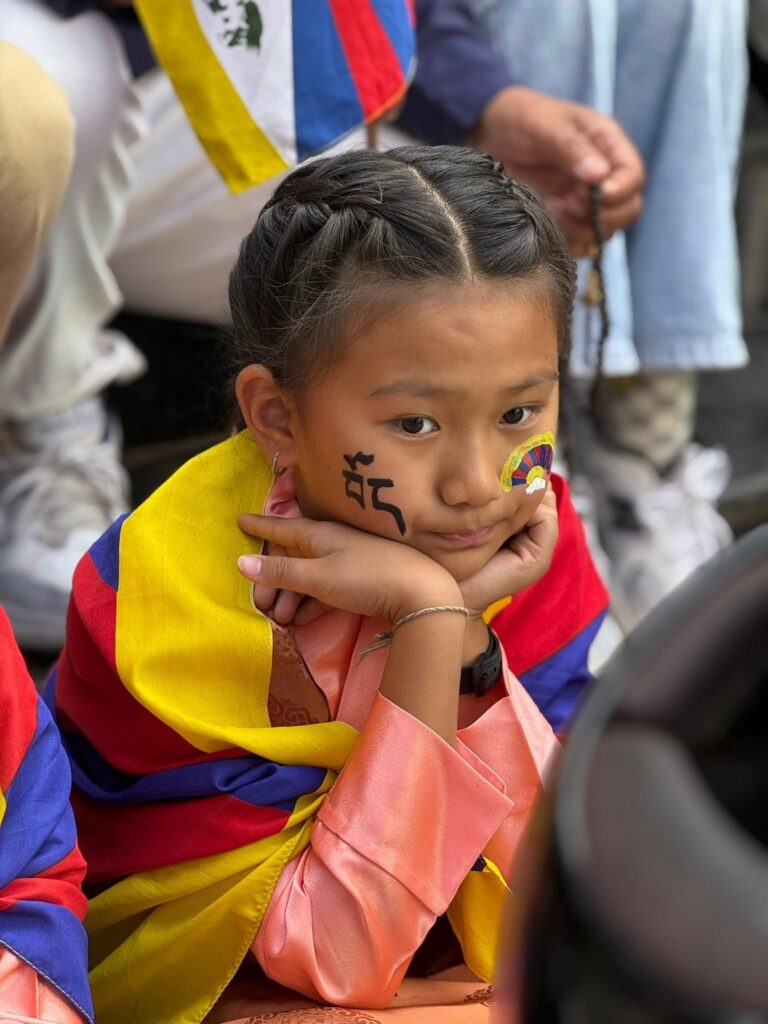
The Tibetan struggle is not a relic of the past. It is a living, breathing issue that demands vigilance, creativity, and persistence. For more than six decades, Tibetans in exile have carried the torch of their nation, ensuring that the world does not forget a people whose homeland remains under occupation. The responsibility of the global Tibetan diaspora today is not simply to preserve memory, but to actively shape the narrative so that Tibet remains relevant in international discourse.
Diaspora as Global Amplifiers. The Tibetan diaspora is scattered across continents — from India and Nepal to Europe, North America, and Australia. This dispersion is not a weakness but a strength. It gives Tibetans access to parliaments, universities, media outlets, and civil society networks that Tibetans inside Tibet cannot freely engage with. By lobbying governments, organizing protests, and testifying about human rights abuses, the diaspora ensures Tibet remains visible. They are the amplifiers of Tibetan identity in spaces where silence would otherwise prevail.
Keeping Tibet on the Agenda. Geopolitical interests often push Tibet aside, but diaspora Tibetans have kept the issue alive through relentless advocacy. The Central Tibetan Administration in Dharamsala, grassroots organizations in New York and London, and student groups in universities worldwide all serve as nodes in a global network of resistance. Their activism makes Tibet not just a regional issue, but a universal one — about human rights, cultural survival, and the dignity of oppressed peoples. This makes them the political conscience of Tibet.
Culture as Resistance. Exile has become a crucible for cultural preservation. Tibetan monasteries rebuilt in India, schools teaching Tibetan language in Canada, and festivals celebrated in Europe are not mere nostalgia — they are acts of defiance. By keeping Tibetan culture alive, the diaspora resists assimilation and asserts that Tibetan identity is non-negotiable. Culture becomes a weapon against erasure, making the diaspora indispensable as custodians of heritage.
Moral Authority of Exile. The diaspora’s moral authority comes from lived experience. Refugees and descendants of refugees carry stories of escape, resilience, and survival. These narratives resonate globally, humanizing Tibet’s struggle in ways that statistics and policy briefs cannot. In an era where Tibet risks being reduced to a bargaining chip in great-power politics, the diaspora insists on the human dimension. They are the storytellers of resistance, reminding the world that Tibet is not an abstraction but a people.
Why Continued Action Matters. The danger today is complacency. As global crises multiply, Tibet risks being overshadowed. The diaspora must therefore act with urgency: Mobilize youth to see Tibetan identity as a living inheritance, not a ceremonial relic. Forge alliances with other oppressed peoples — Uyghurs, Mongols, Hong Kongers — to amplify shared struggles. Innovate culturally by fusing Tibetan traditions with global forms, ensuring relevance across generations.
Leverage digital platforms to counter Beijing’s propaganda and keep Tibet visible in the global conversation.
Closing Reflection. The Tibetan diaspora embodies the paradox of exile: absence from the homeland, yet presence everywhere else. Their task is not only to remember Tibet but to make Tibet impossible to forget. Whether through political advocacy, cultural preservation, or moral storytelling, the diaspora must continue to act — because the survival of Tibetan identity depends on it.
The choice is stark: fade into silence, or remain the heartbeat of a nation in exile. The diaspora must choose the latter, every single day.

Khedroob Thondup is a former Tibetan diplomat and parliamentarian, and nephew of the 14th Dalai Lama. He is also the editor of the book: Dalai Lama, My Son and Tibet in Turmoil.
The views expressed in this article are those of the author and should not be attributed to Tibet Express.