The CIA and Chushi Gangdruk — Tibet’s Four Rivers, Six Ranges
By Khedroob Thondup
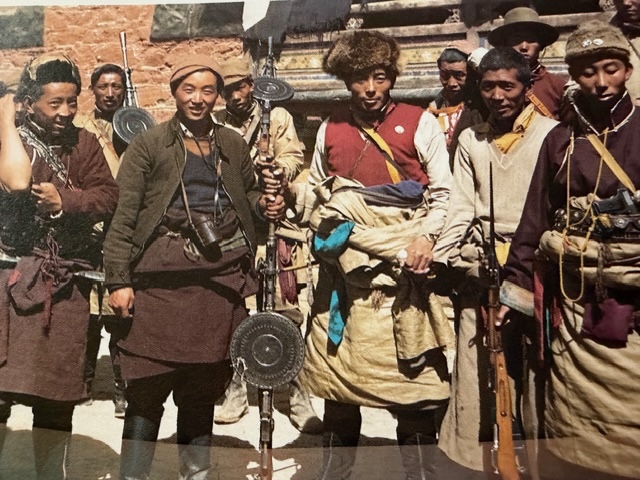
When Tibet was engulfed by Chinese occupation in the 1950s, despair spread across the plateau. Villages were uprooted, monasteries destroyed, and a centuries-old way of life threatened with extinction. Out of this crisis rose the Chushi Gangdruk, the “Four Rivers, Six Ranges” resistance force, a grassroots army of Khampa fighters who refused to surrender their homeland. For 18 years, they became the backbone of Tibetan armed resistance — and their struggle was sustained by a powerful, if complex, ally: the Central Intelligence Agency.
Why the CIA Stepped In. The CIA’s involvement was born of Cold War geopolitics. Washington sought pressure points against Beijing, and Tibet offered one. Yet for Tibetans, motives mattered less than outcomes. The CIA was the first external agency to recognize their plight and act. By supporting Chushi Gangdruk, the CIA gave Tibetans not only weapons and training but also the validation that their fight was not invisible.
Training the Resistance. Beginning in the late 1950s, Tibetan fighters were flown to Camp Hale in Colorado. There, Khampa men learned guerrilla warfare, parachuting, radio operations, and intelligence gathering. These skills transformed Chushi Gangdruk from a band of horsemen into a disciplined resistance force. Fighters were later parachuted back into Tibet, carrying radios, arms, and the hope of organized defiance.
The CIA also helped establish the Mustang base in Nepal, where hundreds of Tibetans lived, trained, and launched missions across the border. Mustang became the beating heart of Chushi Gangdruk’s operations, a place where resistance was not only imagined but enacted.
Sustaining Unity Through Action. For Tibetans inside Tibet, the knowledge that Chushi Gangdruk was fighting back was electrifying. Villagers whispered of ambushes on Chinese patrols, of convoys disrupted, of guerrillas who refused to bow. These stories inspired unity. Resistance was no longer abstract — it was lived, visible, and contagious.
The CIA’s support gave Tibetans a common cause. Chushi Gangdruk became the symbol of defiance, the primary organised resistance group that carried the hopes of a nation.
Gratitude and Complexity. It would be naïve to ignore the CIA’s motives. Tibet was a pawn in the Cold War, and when Washington’s priorities shifted in the 1970s, support dwindled. Yet for Tibetans, those 18 years were invaluable. Chushi Gangdruk endured because of CIA backing, and their endurance kept alive the spirit of resistance.
Gratitude does not erase complexity, but it does acknowledge reality. Without the CIA’s intervention, Chushi Gangdruk might never have become the formidable force it was. For Tibetans, those years were not just about arms and training — they were about hope, unity, and the belief that their struggle mattered.
The story of Tibet’s resistance cannot be told without Chushi Gangdruk, nor without the CIA’s role in sustaining it. For nearly two decades, the Four Rivers, Six Ranges stood as the primary Tibetan resistance group, carrying the fight against overwhelming odds. Their courage, amplified by covert support, ensured that Tibet’s flame of freedom did not die in silence.

Khedroob Thondup is a former Tibetan diplomat and parliamentarian and nephew of the 14th Dalai Lama. He is also the editor of the book ‘Dalai Lama, My Son and Tibet in Turmoil.’
The views expressed in this article are those of the author and should not be attributed to Tibet Express.