
After Sixty-Seven Years, Tibetans Reject the CCP’s Occupation
By Khedroob Thondup
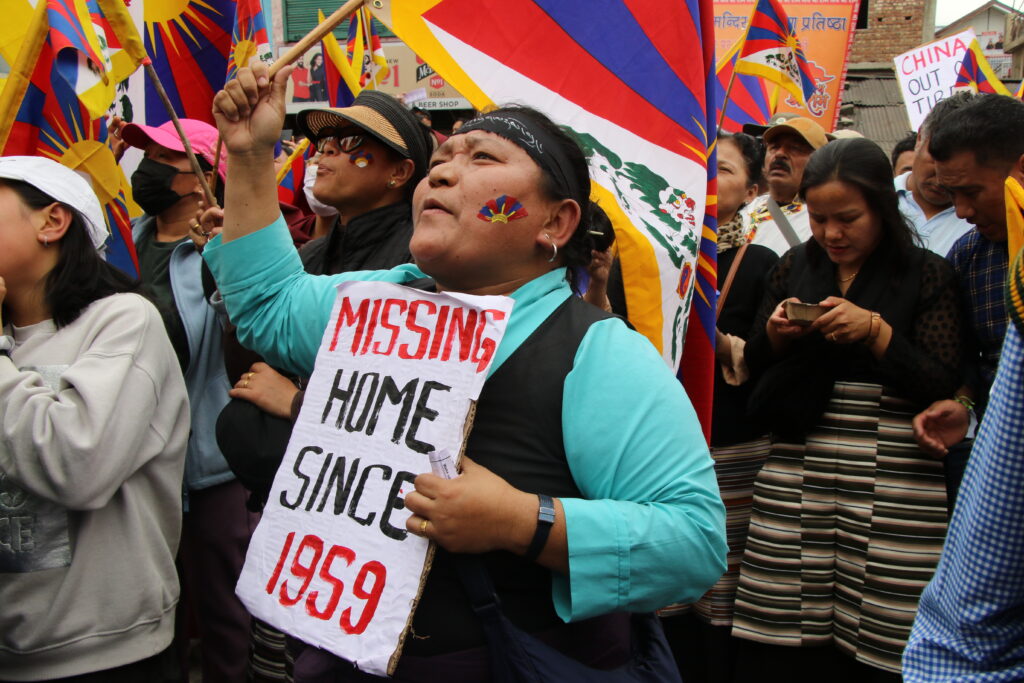
Sixty-seven years of Chinese Communist Party (CCP) rule in Tibet has produced not trust, but alienation. The CCP’s occupation has been marked by broken promises, suppression of culture, and systematic efforts to erase Tibetan identity. For Tibetans, the experience of living under Beijing’s control has been one of coercion rather than consent.
The Roots of Mistrust. The CCP entered Tibet in 1950 under the guise of “liberation.” The Seventeen Point Agreement promised autonomy and respect for Tibetan traditions. Within a decade, those assurances collapsed. After Sixty-Seven Years, Tibetans Reject the CCP’s Rule
Sixty-seven years of Chinese Communist Party (CCP) occupation have left Tibetans with no illusions. The CCP has tried to impose its authority through force, surveillance, and cultural erasure, but it has never earned legitimacy in the eyes of the Tibetan people. Trust cannot be manufactured at gunpoint, and Tibetans have learned through bitter experience that Beijing’s promises of autonomy are empty.
A Legacy of Broken Promises. The Seventeen Point Agreement of 1951 was supposed to guarantee Tibet’s autonomy, religion, and culture. Instead, it became a tool of deception. Within years, monasteries were destroyed, leaders imprisoned, and the Dalai Lama forced into exile after the 1959 Uprising. Every subsequent policy—from collectivisation to “ethnic unity” laws—has reinforced the lesson that the CCP’s word cannot be trusted.
Suppression as Daily Reality. Tibet today is governed not by consent but by coercion: Surveillance State: Cameras, checkpoints, and digital monitoring suffocate daily life. Cultural Assimilation: Tibetan language is sidelined, children are forced into Mandarin-only boarding schools, and traditions are diluted.
Religious Control: Monasteries are raided, monks detained, and even images of the Dalai Lama banned. These measures do not build trust—they deepen alienation.
Why a Referendum Would Mean Secession. If Tibetans were ever given the chance to vote freely in a referendum, the outcome would be clear. Decades of repression have convinced Tibetans that coexistence under CCP rule is impossible. China’s track record—broken agreements, suppression of culture, and denial of basic freedoms—has destroyed any credibility. Secession would not be a radical choice; it would be the natural response to generations of betrayal.
The Enduring Spirit of Tibet. Despite the occupation, Tibetans continue to resist—through quiet acts of faith, preservation of language, and advocacy abroad. The diaspora amplifies their voice, reminding the world that Tibet is not forgotten. Inside Tibet, resilience endures in whispered prayers and hidden teachings.
Conclusion. After sixty-seven years, Tibetans have no trust in the CCP. The occupation has failed to win hearts or minds; it has only hardened the conviction that Tibet must be free. Should a referendum ever take place, Tibetans would choose secession—not out of ideology, but out of lived experience. China’s track record leaves them no other path.

Khedroob Thondup is a former Tibetan diplomat and parliamentarian and nephew of the 14th Dalai Lama. He is also the editor of the book,’ Dalai Lama, My Son and Tibet in Turmoil.’
The views expressed in this article are those of the author and should not be attributed to Tibet Express.