
Why the Office of Tibet Is a Strategic Bridge to Taiwan — And Why the CTA Must Entrust It Only to the Right Leadership
By Khedroob Thondup
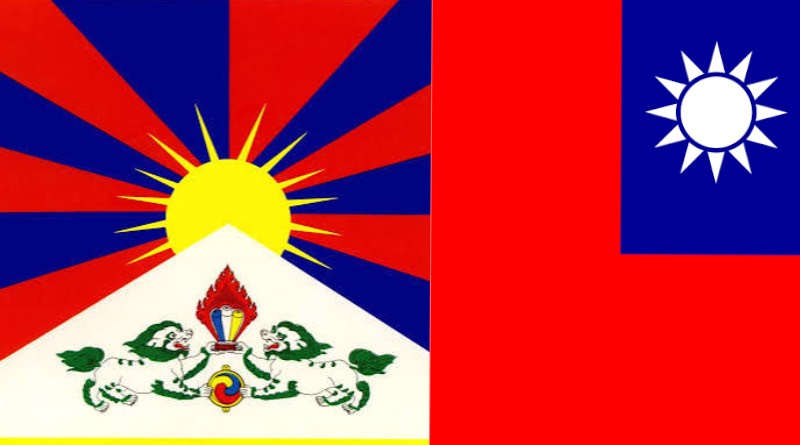
The relationship between Tibetans and Taiwanese has never happened by accident. It has grown through shared values, spiritual kinship, and a mutual understanding of what it means to live in the shadow of a powerful neighbour. Yet no institution has nurtured this delicate, meaningful relationship more than the Office of Tibet.
In Taiwan, where Tibetan Buddhism is embraced with sincerity and where His Holiness is regarded as a moral compass, the office has become the vessel through which Tibetan culture, compassion, and identity flow into Taiwanese society. It is not merely an NGO. It is a strategic cultural institution — one that carries the legacy of His Holiness and the aspirations of the Tibetan people into the Chinese-speaking world.
This is precisely why the Central Tibetan Administration (CTA) must take extraordinary care in appointing the right leadership. The office cannot be handed to an ill-considered appointee, a placeholder, or someone who sees the role as ceremonial. It demands a steward with vision, sensitivity, and political maturity.
A Cultural Bridge Built on Trust
Taiwanese Buddhists have long held deep reverence for His Holiness. The Office of Tibet channels this reverence into meaningful cultural exchange.
• Tibetan–Taiwanese spiritual dialogue strengthens emotional bonds.
• Authentic cultural preservation counters Beijing’s narrative and keeps Tibetan identity alive.
• Community-building programs create lasting relationships between Tibetans in exile and Taiwanese citizens.
This trust is fragile. It has been built over decades through His Holiness’s moral authority — something no bureaucrat or political appointee can replicate. The wrong leader could erode it overnight.
Soft Power Without Hard Politics
Taiwan is politically sensitive. Tibet is geopolitically constrained. Yet the office has managed to operate in a way that is non-political in method but deeply political in effect.
It normalises Tibetan identity in Taiwanese society.
It creates empathy for Tibet’s struggle without lobbying.
It strengthens Taiwan’s democratic self-image by aligning it with a global moral figure.
This is soft power at its most effective — and soft power requires sophistication. A careless appointment risks turning a subtle, strategic institution into a blunt instrument.
Taiwan: Tibet’s Gateway to the Chinese-Speaking World
Taiwan is one of the few places where Tibetans can speak freely, teach openly, and be understood without censorship.
His Holiness’s visit captivated twenty-three million Taiwanese. It was a turning point — a moment when Taiwanese society saw Tibet not as a distant tragedy but as a living culture with wisdom to offer.
The Office is the mechanism that keeps that moment alive. It is the bridge through which Tibetans can reach Chinese-speaking audiences with dignity and authenticity.
A weak leader would squander this opportunity.
A strong leader would expand it.
Why the CTA Must Choose Leadership With Care
The CTA must treat the office of Tibet as a national asset. That means appointing someone who understands:
• Taiwan’s cultural sensitivities
• Tibetan aspirations in exile
• Beijing’s pressure and interference
• The strategic value of soft diplomacy
This role requires emotional intelligence, political maturity, and cultural fluency. It cannot be given to someone who sees it as a title, a reward, or a stepping stone.
An ill-considered appointment would not simply be a mistake — it would be a strategic setback.
Protecting His Holiness’s Legacy in Taiwan
Taiwanese society sees His Holiness as a symbol of compassion and resilience. The Office of Tibet is the vessel that carries this legacy forward.
If nurtured properly, it can:
• deepen Tibetan–Taiwanese solidarity,
• expand Tibetan cultural influence in the Chinese-speaking world,
• and preserve His Holiness’s teachings for future generations.
If mishandled, it could lose credibility, momentum, and trust.
Final Thought
The Office of Tibet is not just an institution. It is a bridge — cultural, spiritual, and strategic — between Tibetans and Taiwanese.
The CTA must guard it with foresight and discipline. It must appoint leadership worthy of His Holiness’s legacy. It must avoid the temptation to hand this office to an ill-considered appointee. Taiwan matters for Tibet’s future. And the Office of Tibet matters for Tibet’s voice in Taiwan.
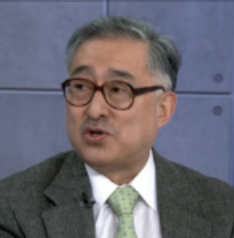
Khedroob Thondup is a former Tibetan diplomat and parliamentarian and nephew of the 14th Dalai Lama. He is also the editor of the book, ‘Dalai Lama, My Son and Tibet in Turmoil.’
The views expressed in this article are those of the author and should not be attributed to Tibet Express.


