The Mountains Are Still Shaking — But Beijing Fears Tibetan Solidarity More Than Aftershocks
By Khedroob Thondup
When the earthquake struck eastern Tibet, the first tremor was geological. The second was political. As homes collapsed and families dug through rubble with bare hands, Tibetans across the plateau did what they have always done in moments of crisis: they mobilised. Villagers organised rescue teams, monasteries gathered supplies, and diaspora networks tried to send aid.
But almost immediately, Chinese authorities moved not to support these efforts but to stop them.
Why Beijing Blocks Tibetan Solidarity
• Fear of independent organisation
In Tibet, any spontaneous gathering — even for humanitarian relief — is treated as a political threat. The state’s logic is simple and paranoid: if Tibetans can organise rescue teams today, they can organise protests tomorrow. So instead of welcoming local initiative, officials shut it down.
• Control of the narrative
Earthquakes expose the fragility of infrastructure, the absence of emergency planning, and the neglect of rural Tibetan communities. Allowing Tibetans to help each other would reveal the state’s failures. Beijing prefers a clean narrative: the Party rescues, the masses receive.
• Suspicion of monasteries
Monasteries are often the first responders in Tibetan areas — they have manpower, vehicles, and community trust. But the state views them as ideological competitors. When monks arrive with blankets and food, officials block roads, confiscate supplies, and warn them not to “interfere.”
• Preventing cross‑border attention
Tibetan rescue efforts often connect with India, Nepal, and diaspora communities. Beijing fears that such cooperation will draw international attention to conditions inside Tibet. Blocking local aid is a way to block global scrutiny.
How the Blocking Happens
• Road checkpoints
Police erect barriers on mountain roads, turning away vehicles carrying volunteers or supplies. Drivers are told the area is “too dangerous,” even when state convoys pass freely.
• Confiscation of relief goods
Flour, tents and medicine — all seized. Officials claim they will “redistribute” them, but villagers often report never seeing the supplies again.
• Threats to community leaders
Anyone trying to coordinate local rescue efforts is warned that they could be charged with “organising illegal activity.” In Tibet, even compassion can be criminalised.
• Information blackout
Videos of collapsed homes, injured villagers, or blocked rescue teams are deleted within hours. Tibetans trying to share updates with relatives abroad find their messages censored or their accounts suspended.
Why This Pattern Is Familiar
This is not a new story. After the 2010 Yushu earthquake, the state pushed aside Tibetan volunteers so it could stage-manage relief efforts. After landslides in Chamdo, monks who arrived first were ordered to leave. After every disaster, the same choreography unfolds: Tibetans rush to help, and the authorities rush to stop them.
The tragedy is not only the earthquake. It is the deliberate obstruction of Tibetan solidarity — a force that has sustained communities for centuries.
The Human Cost of Political Control
Blocking Tibetan rescue efforts does not produce stability. It produces suffering.
Families wait longer for help. Injured villagers go untreated. Entire communities lose precious hours that could save lives. And the emotional toll is immense: Tibetans are told that even in moments of grief, they cannot rely on each other.
The earthquake exposed the ground’s instability. Beijing’s response exposes a deeper instability — a government so insecure that it fears its own citizens’ compassion.
A Final Thought
Natural disasters demand unity. But in Tibet, unity is treated as dissent. The world should understand that the crisis unfolding after the earthquake is not only environmental. It is political. And the victims are not only those trapped under rubble but also those prevented from helping them.
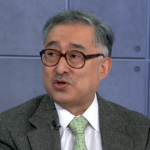
Khedroob Thondup is a former Tibetan diplomat and parliamentarian and nephew of the 14th Dalai Lama. He is also the editor of the book, ‘Dalai Lama, My Son and Tibet in Turmoil.’
The views expressed in this article are those of the author and should not be attributed to Tibet Express.