Amnesty International Demands Release of Chinese Activist Zhang Yi, Arrested in Lhasa over Dalai Lama Photo
By Tenzin Chokyi
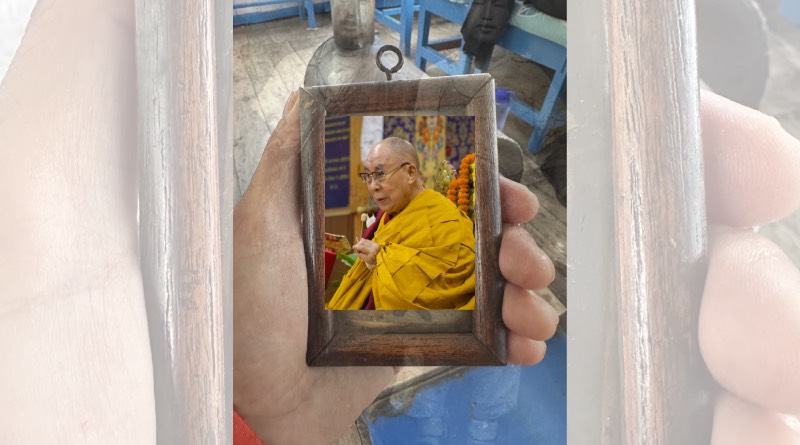
DHARAMSALA, 7 August: Human rights watchdog Amnesty International has demanded the immediate and unconditional release of prominent Chinese pro-democracy activist Zhang Yi, following his formal arrest in occupied Tibet for displaying a photograph of the Dalai Lama.
In a statement released on 5 August 2026, the organisation’s Deputy Regional Director Sarah Brooks called on Chinese authorities to drop all charges against Zhang, a veteran activist from Wuhan, Hubei province, who first entered political activism during the 1989 Tiananmen Square pro-democracy movement. Zhang was formally arrested on 28 July on suspicion of “inciting separatism,” with his family receiving official notice on 5 August, over a month after he was initially taken into custody in Lhasa.
The incident took place on 1 July while Zhang was visiting the historic Sera Monastery in Tibet with his younger brother. Unable to communicate verbally with a Tibetan worshipper from whom he wished to borrow a prayer mat, Zhang showed the person an image of the Dalai Lama on his mobile phone.
According to his family abroad, two plainclothes men observed the interaction and appeared to record the brothers as they left the prayer area, before police stepped in to detain Zhang on the monastery grounds. On 18 July, the Lhasa Public Security Bureau issued a “Criminal Detention Notice” placing him in the Lhasa Detention Centre, though authorities have failed to disclose any factual basis for the accusation.
Condemning the arrest, Brooks emphasised that “displaying a photograph of a religious leader should never be treated as a threat to national security. She noted that Zhang’s detention “bears all the hallmarks of the Chinese authorities’ long-standing misuse of the offence of ‘inciting separatism’ to criminalize peaceful expression in Tibetan areas and in relation to Tibetan history, culture and religious belief.”
The rights group urged Chinese officials to grant Zhang immediate access to his family and legal counsel of his own choosing, while demanding guarantees to safeguard him against torture and mistreatment in custody.
Zhang’s arrest coincided directly with the entry into force of China’s new Ethnic Unity Law on 1 July 2026. Rights advocates warn that the legislation’s vaguely worded mandates requiring the promotion of a shared national identity create sweeping additional pretexts for Chinese authorities to restrict fundamental rights, freedom of speech, and religious expression throughout Tibetan regions.