In Rain and Heat, Tibetan Activists Cycle 360 km to Dharamsala, Honouring Martyr Lobga Rangzen
In Rain and Heat, Tibetan Activists Cycle 360 km to Dharamsala, Honouring Martyr Lobga Rangzen
Read more
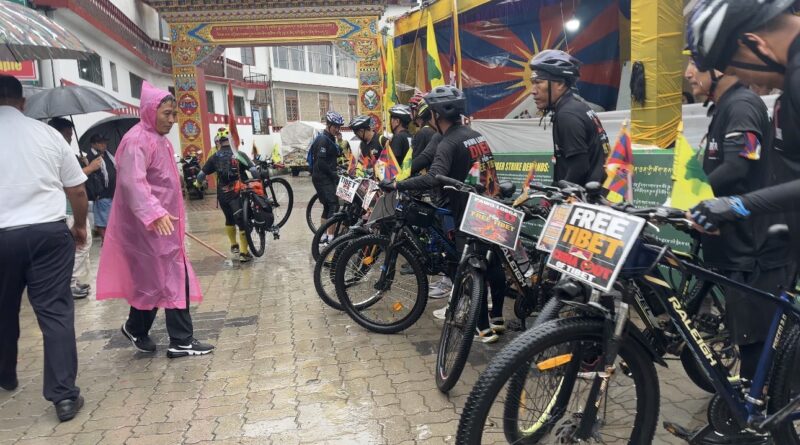
In Rain and Heat, Tibetan Activists Cycle 360 km to Dharamsala, Honouring Martyr Lobga Rangzen
Read more
By Tenzin Chokyi
DHARAMSALA, 18 August: Chinese authorities in Chengdu are reportedly extending their scrutiny of religious belief into public institutions, with a public hospital requiring all employees to disclose their religious affiliations and schools collecting information on the religious backgrounds of students and their parents, according to leaked documents and accounts reported by The Epoch Times.
Read more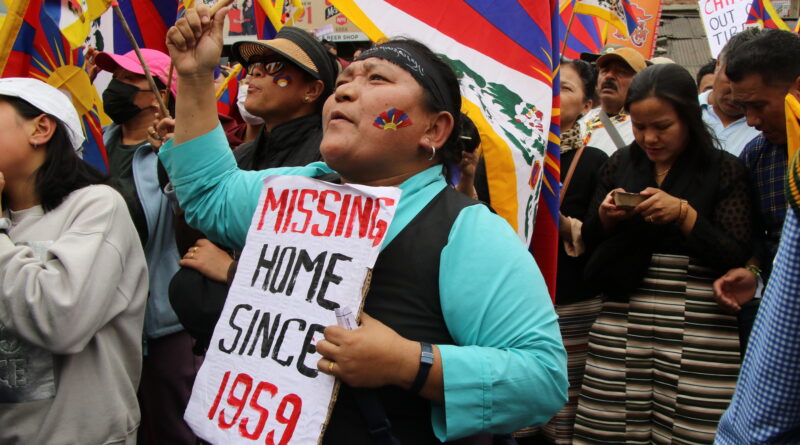
By Khedroob Thondup
For more than six decades, Beijing has clung to Tibet with a grip that is both suffocating and self-defeating. Six million Tibetans live under policies of suppression, surveillance, and cultural erasure. Yet when one strips away the rhetoric of “national unity” and “territorial integrity,” the question becomes painfully clear: what has China truly gained by holding Tibet? The answer, in truth, is very little—while the costs have been immense.
Read more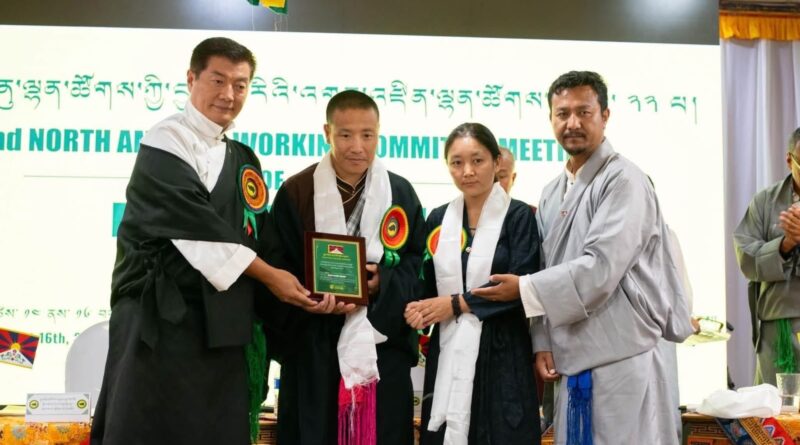
By Tenzin Chokyi
DHARAMSALA, 17 August: The Tibetan Youth Congress (TYC) has honoured Tibetan activist Lobga Rangzen with its Patriotic Martyr Award during its 22nd North American Executive Committee Meeting in New York, recognising his sacrifice for Tibet and the Tibetan people.
Read more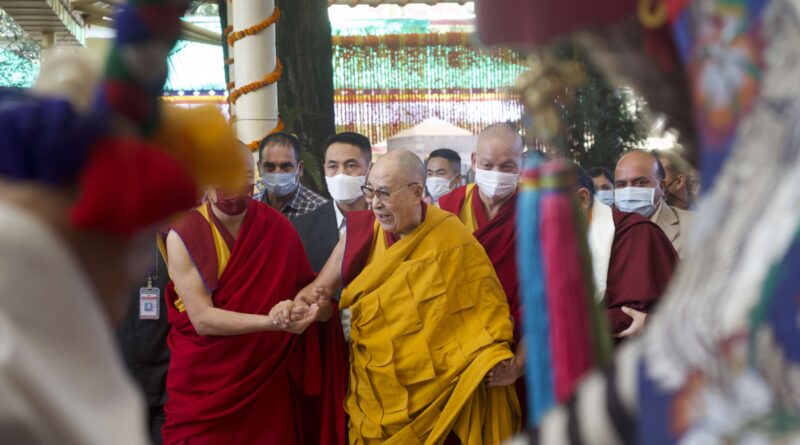
By Khedroob Thondup
For decades, Tibet’s future has been entangled in the geopolitical contest between Beijing’s claims of sovereignty and the Tibetan people’s struggle for cultural and religious survival. Yet one institution has endured across centuries of upheaval: the Ganden Phodrang, the traditional office of the Dalai Lama. As the world anticipates the eventual succession of the 15th Dalai Lama, the United States faces a critical choice. By recognising the Ganden Phodrang as the legitimate authority to select the next Dalai Lama, Washington can safeguard Tibetan religious freedom, strengthen international norms, and enhance global recognition of Tibet’s unique civilisational identity.
By Tenzin Chokyi
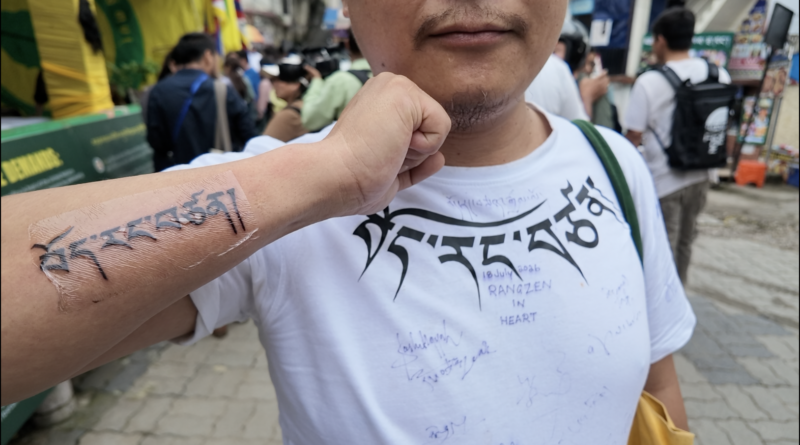
DHARAMSALA, 13 August: As exile becomes accustomed to a crushing sense of paralysis, where the geopolitical landscape can often feel unmoving, Tibetan refugees inscribe living shrines of their homeland onto their bodies through tattoos—transforming themselves into walking, breathing archives of Tibet.
Read moreBy Khedroob Thondup A Rare Moment of Consensus. In the mid‑1990s, an extraordinary moment of consensus emerged between Beijing and
Read more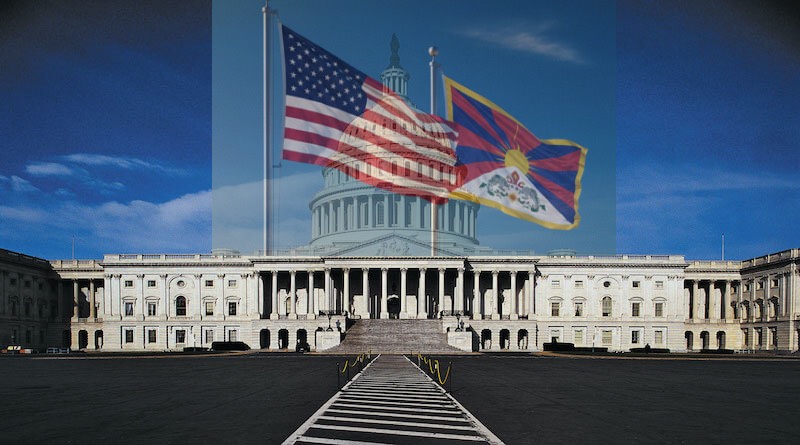
By Tenzin Chokyi
DHARAMSALA, 12 August: A bipartisan group of US senators has introduced legislation aimed at ensuring American support for Tibet continues beyond the lifetime of the 14th Dalai Lama, by strengthening Washington’s relationship with the Central Tibetan Administration (CTA) and its democratically elected leadership.
Read more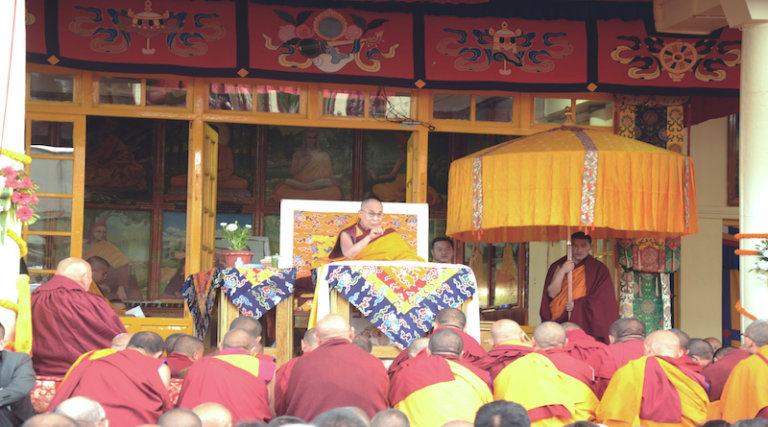
By Khedroob Thondup
The question of whether Tibetan lamas in exile should visit Tibet if permitted by Beijing is not simply a matter of travel. It is a profound test of spiritual fidelity, political calculation, and communal unity. On the surface, such visits promise a long-awaited homecoming, a chance to reconnect with sacred landscapes and ease tensions. Yet beneath that promise lies the risk of exploitation, division, and propaganda.
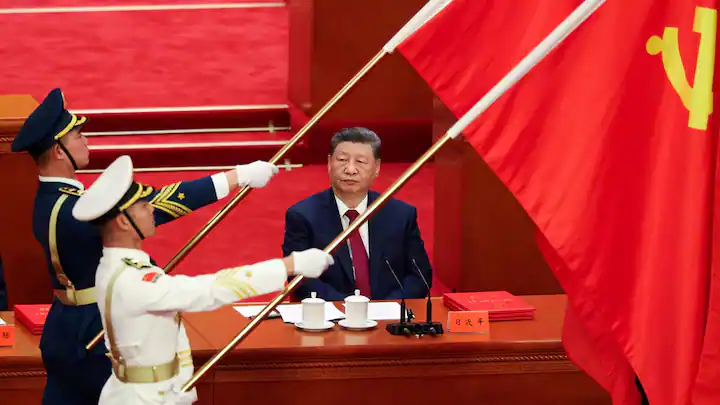
By Utpal Kumar | Firstpost | 10 August 2026
Former Foreign Secretary Shyam Saran, in his book How China Sees India, recounts an extraordinary conversation between Chinese Premier Zhou Enlai and US Secretary of State Henry Kissinger in 1972.