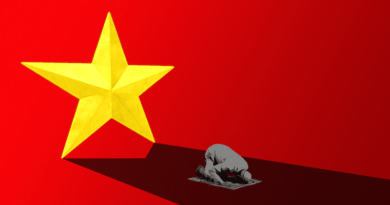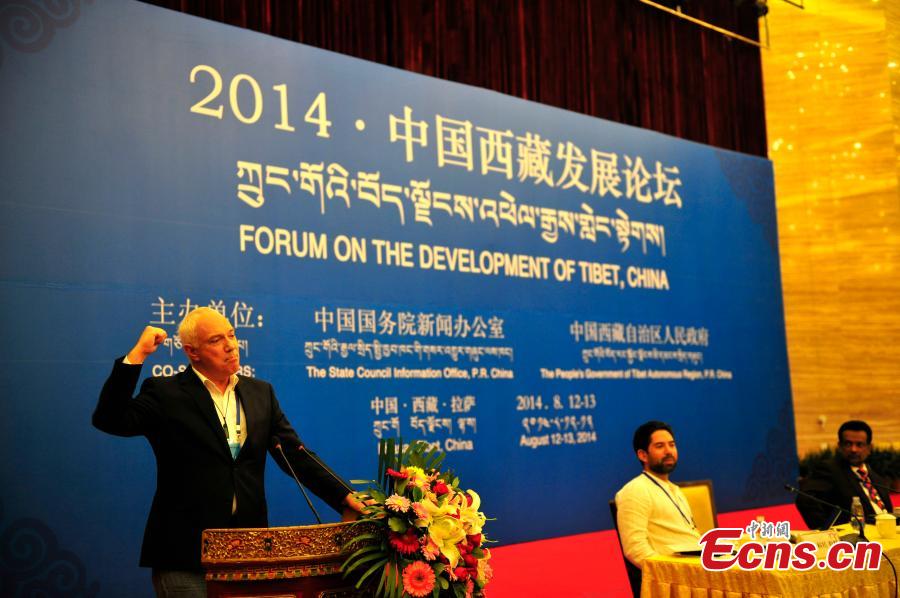
The Mirage of Autonomy: Why Tibetans Must Confront Reality
By Khedroob Thondup | European Times
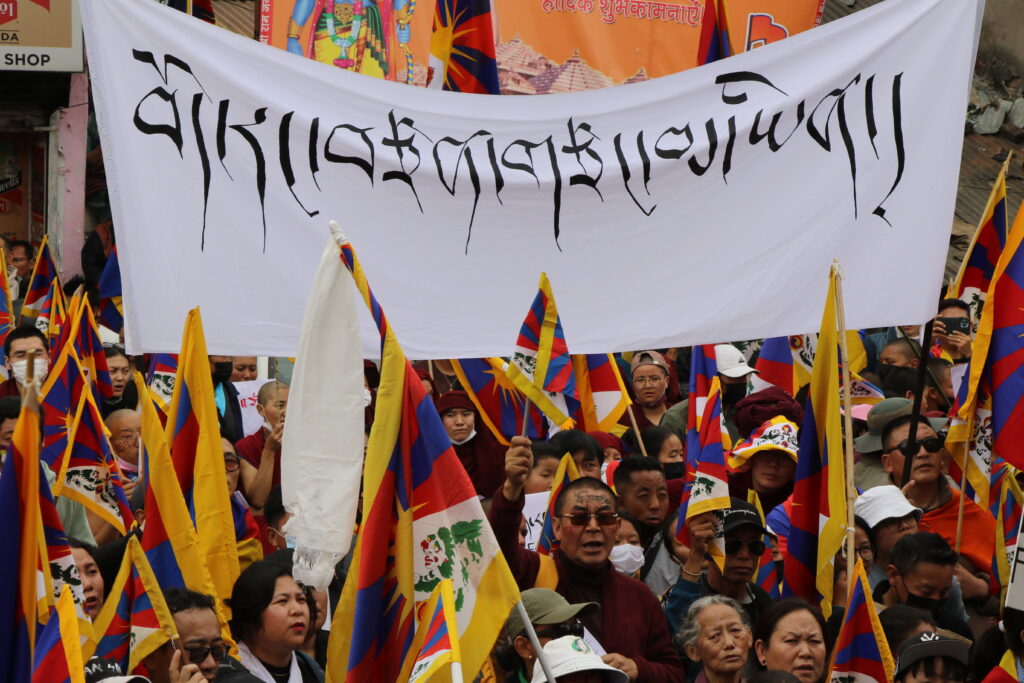
There is a painful truth that Tibetans must face. Those who still believe the Chinese Communist Party (CCP) will one day grant Tibet genuine autonomy are clinging to a mirage. The CCP’s record in Tibet is not one of compromise, dialogue, or respect for cultural identity. It is one of control, assimilation, and suppression. To imagine that this same system will suddenly soften and allow Tibetans to live freely under its rule is to indulge in wishful thinking.
Life under CCP rule in Tibet today is marked by surveillance. Cameras are placed on every street corner, monitoring monasteries, villages, and even private homes. Cultural erosion is accelerating. The Tibetan language is marginalized in schools, religious practices are restricted, and traditions are diluted under the banner of “modernization.” Political repression remains pervasive. Any expression of dissent, whether a poem, a prayer, or a protest, is swiftly silenced. Economic inequality continues to grow. Development projects benefit Han settlers and state enterprises far more than local Tibetans, leaving many marginalized in their own land.
If autonomy were truly possible, Tibetans living under this system would already see signs of it. Instead, they see the opposite. They face deeper integration into the Chinese state, tighter restrictions, and diminishing space for Tibetan identity.
The CCP has shown, decade after decade, that it will not change its fundamental approach. Its ideology is rooted in control, not compromise. Autonomy within such a framework is not autonomy at all. It is a leash disguised as freedom.
Complete independence is the only path that ensures self determination. It allows Tibetans to decide their own future instead of having Beijing dictate it. It safeguards their language, religion, and traditions. It guarantees political freedom, including the right to speak, write, and organize without fear of imprisonment. It also ensures that Tibet’s resources are used for the benefit of Tibetans rather than being extracted for the state.
To those who believe autonomy is possible, I say this. Try living in Tibet under the present situation. Walk the streets where every move is watched, speak in Tibetan where the language is discouraged, and pray in monasteries where monks are interrogated. That is not autonomy. It is occupation.
The CCP will never change. To believe otherwise is to fool ourselves and to waste precious time that should be spent building the case for independence. Tibet’s future lies not in compromise with a system that denies its very identity, but in reclaiming its sovereignty.
Khedroob Thondup is a Tibetan diplomat, former parliamentarian, and nephew of the Dalai Lama. He is the editor of the books Dalai Lama, My Son and Tibet in Turmoil, and currently serves as President of the Tibetan Refugee Self Help Centre Darjeeling since 1987.