Tibetan Youth Congress lobbies 45 US congressional offices for independence
By Tenzin Chokyi
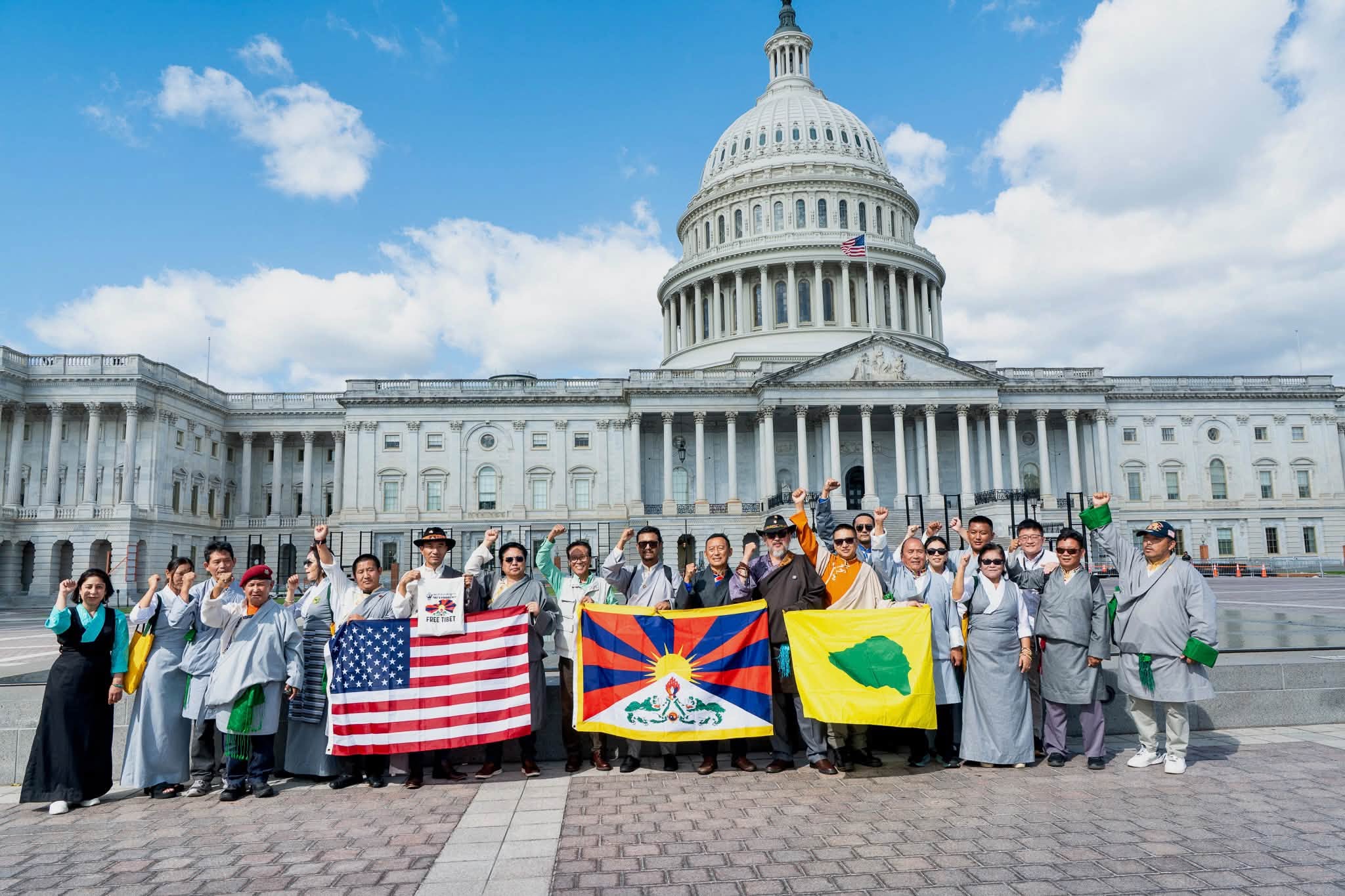
DHARAMSALA, 15 Sept: The Tibetan Youth Congress (TYC) on Monday lobbied around 45 offices of members of the US House of Representatives and Senate, urging Washington to raise the Tibet issue at the upcoming meeting between US President Donald Trump and Chinese President Xi Jinping and to support the restoration of Tibetan independence.
The campaign was organised by the TYC Central Executive Committee in coordination with its New York and New Jersey chapter and its Washington, D.C. chapter. A total of 23 participants took part in the advocacy and lobby campaign, divided into four teams to visit congressional offices and submit written advocacy documents.
With Xi’s expected visit to the US approaching, the campaigners called on the US government to ensure that Tibet is discussed when Trump and Xi meet. Their demands also sought greater US recognition of Tibetan resistance and the political nature of the struggle for independence.
The campaign highlighted the self-immolation of Tibetan independence advocate Lobga Rangzen, calling for his sacrifice to be recognised as a call for the restoration of Tibetan independence. It also urged Washington to recognise the “more than 160 Tibetan self-immolations” as political acts connected to the Tibetan freedom movement against China’s colonial rule over Tibet.
The TYC further called for US pressure on Beijing to withdraw its “Ethnic Unity and Progress” law, arguing that the legislation threatens Tibetan culture and identity. It also urged the White House to explicitly recognise Tibet as a historically independent country and as a country currently under Chinese occupation.
The lobbying effort comes amid heightened Tibetan mobilisation around Xi’s anticipated US visit and reflects the TYC’s longstanding advocacy for Tibetan independence.
Following the meetings, Tibetan independence advocate Dhondup Lhadhar wrote in a Facebook post that several congressional staff members thanked the campaigners and showed particular interest in their advocacy documents and the demand for Tibetan independence.
He described the response as an encouraging sign for future efforts to advance the Tibetan independence movement internationally.