Zhang Youxia’s Purge Reveals the Price of Disloyalty to Xi
By Khedroob Thondup
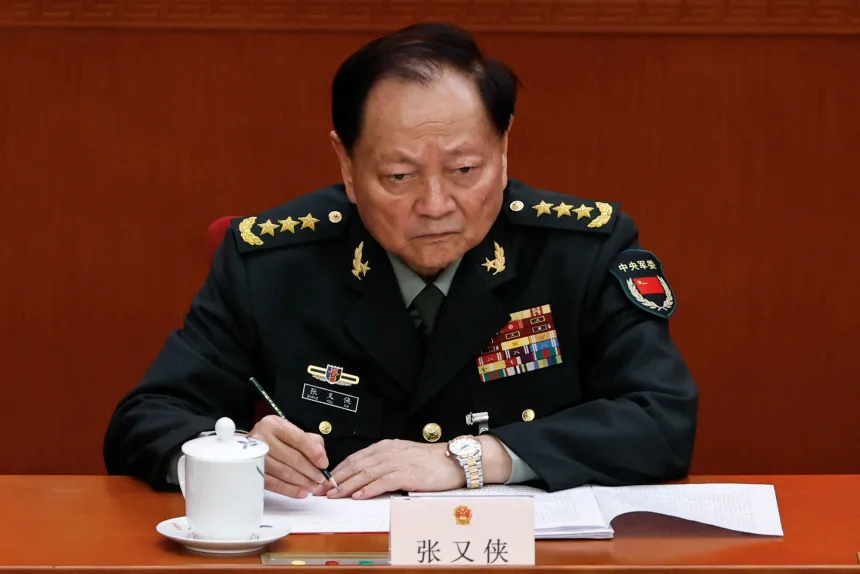
China’s expulsion of General Zhang Youxia on September 21, 2026, marks one of the most dramatic purges in Xi Jinping’s decade-long campaign to consolidate control over the military. Officially framed as punishment for “serious violations of discipline and law,” the move underscores how corruption charges are often intertwined with accusations of disloyalty to Xi and the Party.
Zhang Youxia’s Fall from Grace. Position: Zhang was Vice Chairman of the Central Military Commission (CMC), making him the highest-ranking uniformed officer in the PLA and Xi’s second-in-command in military affairs. Charges: State media accused him of taking bribes, forming cliques, abusing office, and being “disloyal and dishonest to the Party.” Scale of misconduct: Reports cited “exceptionally large sums of money” and “extremely egregious” violations, suggesting corruption was systemic and politically threatening. Timing: His removal comes weeks before a key Party conclave on governance and discipline, signalling Xi’s intent to enter the meeting with unquestioned authority.
Why Xi Targeted Zhang: Disloyalty as the Core Charge: Unlike past purges framed purely as corruption, Zhang’s case emphasised political disloyalty—he was accused of forming factions and undermining Xi’s authority. This reflects Xi’s broader project of building a personality cult and ensuring the PLA’s loyalty is personal, not institutional. Historical Echoes: Many senior officers remember Mao’s personality cult and resist its revival. Xi’s insistence on ideological conformity makes even subtle independence dangerous. Factionalism: Zhang’s long military pedigree and combat experience gave him stature independent of Xi. His perceived closeness to other officers may have been seen as a rival power base.
Implications for the PLA. Military Cohesion: Xi frames the purge as strengthening “combat effectiveness” by eliminating corrupt and disloyal elements. Signal to Others: The charges of disloyalty set a precedent—future purges may target not just corruption but any hint of factionalism or insufficient enthusiasm for Xi’s leadership. Strategic Timing: With Xi preparing for talks abroad and a Party conclave at home, the expulsion reinforces his image as uncompromising on discipline.
Broader Context. Anti-Corruption Drive: Since 2012, Xi has purged dozens of senior PLA officers, including two defence ministers. Zhang’s removal shows the campaign is far from over. Political Consolidation: The PLA Daily explicitly accused Zhang of undermining Party leadership, highlighting how corruption probes double as political loyalty tests. International Optics: The timing—just before Xi’s scheduled visit to the U.S.—signals to foreign observers that Xi tolerates no dissent within his military ranks.
Conclusion. Zhang Youxia’s expulsion is not merely about graft; it is a political purge designed to reinforce Xi Jinping’s personal control over the military. By framing Zhang’s alleged crimes as both financial and ideological, the Party sends a clear message: corruption and disloyalty are inseparable, and loyalty to Xi is the ultimate test of survival in China’s political system.
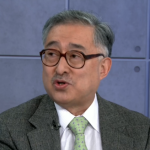
Khedroob Thondup is a former Tibetan diplomat and parliamentarian and nephew of the 14th Dalai Lama. He is also the editor of the book ‘Dalai Lama, My Son and Tibet in Turmoil.’
The views expressed in this article are those of the author and should not be attributed to Tibet Express.