The Dilemma of Return — Tibetan Lamas and the Politics of Pilgrimage
By Khedroob Thondup
The question of whether Tibetan lamas in exile should visit Tibet if permitted by Beijing is not simply a matter of travel. It is a profound test of spiritual fidelity, political calculation, and communal unity. On the surface, such visits promise a long-awaited homecoming, a chance to reconnect with sacred landscapes and ease tensions. Yet beneath that promise lies the risk of exploitation, division, and propaganda.
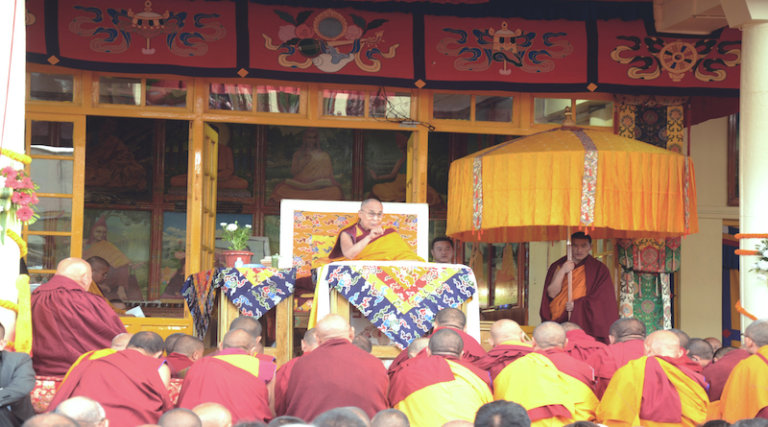
The Spiritual Pull. For Tibetan lamas, Tibet is not just geography — it is the heart of their spiritual lineage. Returning to monasteries, mountains, and sacred sites would be a pilgrimage of immense significance, offering renewal and continuity. A visit could also provide solace to Tibetans inside Tibet, who yearn for contact with their exiled teachers. In this sense, the prospect of return carries the weight of spiritual healing and cultural affirmation.
The Political Trap. But Beijing’s permission is never neutral. Allowing exiled lamas to visit Tibet would be framed as evidence of China’s benevolence and control. State media would seize upon such visits to project an image of reconciliation, while masking the ongoing repression of Tibetan identity. The risk is that spiritual homecoming becomes political theater, with lamas unwittingly cast as props in Beijing’s narrative of legitimacy.
Risks to the Exile Community. Equally troubling is the potential impact on the exile community. A visit could sow division: some would see it as a betrayal of the struggle for autonomy, others as a pragmatic gesture of engagement. The exile leadership, already balancing fragile unity, would face renewed strains. Beijing’s strategy thrives on such fractures, using symbolic concessions to weaken collective resolve.
Strategic Considerations. From a policy perspective, the dilemma is stark: Spiritual renewal: A visit could strengthen cultural continuity and morale among Tibetans inside Tibet. Propaganda risk: Beijing would exploit the visit to reinforce its narrative of control. Community division: The exile movement could fracture over differing interpretations of the visit’s meaning. Diplomatic signaling: India and other host countries would read such visits as shifts in the exile community’s political posture.
Conclusion. The decision of whether Tibetan lamas should return to Tibet if permitted is not a simple yes or no. It is a balancing act between spiritual duty and political risk, between the yearning for home and the danger of manipulation. Ultimately, the exile community must weigh whether the symbolic power of return strengthens their cause or undermines it. In the delicate interplay of faith and politics, even a pilgrimage can become a battlefield.

Khedroob Thondup is a former Tibetan diplomat and parliamentarian, and nephew of the 14th Dalai Lama. He is also the editor of the book: Dalai Lama, My Son and Tibet in Turmoil.
The views expressed in this article are those of the author and should not be attributed to Tibet Express.