CTA Marks 66th Tibetan Democracy Day with Official Celebrations in Dharamsala
By Tenzin Chokyi
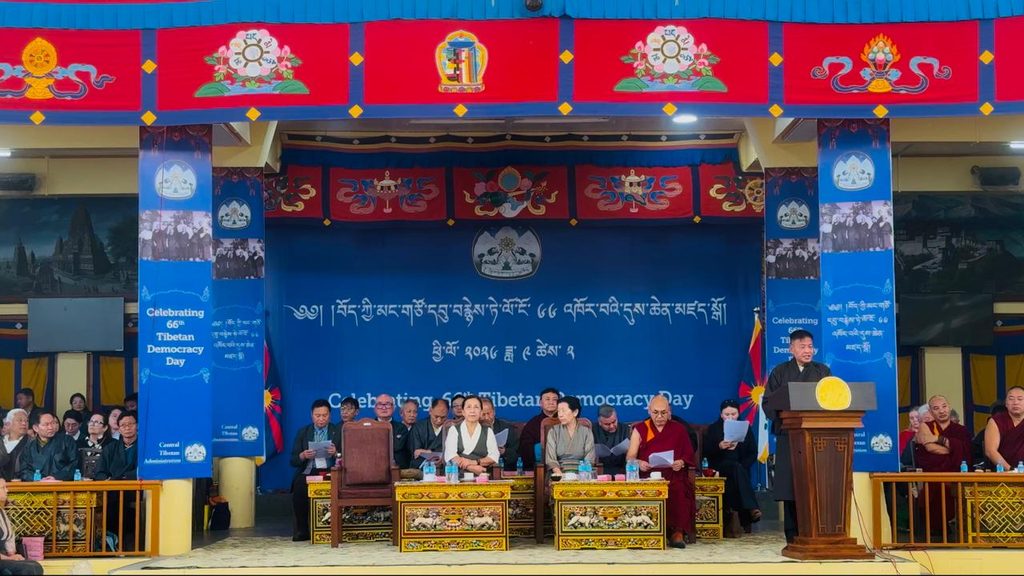
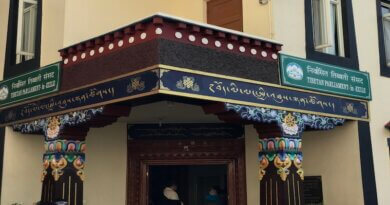
DHARAMSALA, 2 Sept: The Central Tibetan Administration (CTA) on Wednesday marked the 66th anniversary of Tibetan democracy in exile, commemorating the establishment of the Tibetan People’s Deputies — the precursor to today’s Tibetan Parliament in Exile — on 2 September 1960 under the leadership of His Holiness the 14th Dalai Lama.
The anniversary celebrates the evolution of a democratic system that has seen successive institutional reforms, including the adoption of the Charter of Tibetans-in-Exile in 1991, the direct election of the head of the Tibetan administration in 2001, and the Dalai Lama’s devolution of his political authority to elected Tibetan leaders in 2011.
In their respective anniversary statements, the Kashag (Cabinet) and the Tibetan Parliament-in-Exile expressed gratitude to the Dalai Lama for introducing democracy and called on Tibetans to protect the system through adherence to the rule of law, mutual respect and unity. The Kashag described democracy as the Tibetan people’s “most powerful defiance against authoritarianism” and warned against internal divisions, rumours and disinformation, particularly on social media.
The Kashag, headed by CTA President Penpa Tseringalso announced that it had finalised its executive vision paper, Securing Tibet’s Future, while the Parliament stressed that democracy should be regarded as a responsibility rather than a privilege. Both bodies urged Tibetans to strengthen their language and cultural traditions amid what they described as continuing efforts by Beijing to erode Tibetan identity.
Chinese pro-democracy activist Wang Dan, speaking at the celebration, praised the Tibetan democratic experience and said it had shown that democratic institutions could function even without territorial control or an army. He said China’s democracy movement could learn from the Tibetan Parliament’s experience and announced efforts to establish the China Congress, which he said had already involved more than 1,000 founding electors.
“A future democratic China must never again treat Tibetans through oppression or forced assimilation,” Wang said, calling for respect for Tibetan culture, religion, language and national identity and for the future relationship between Tibetans and Chinese to be based on equality and peaceful dialogue.
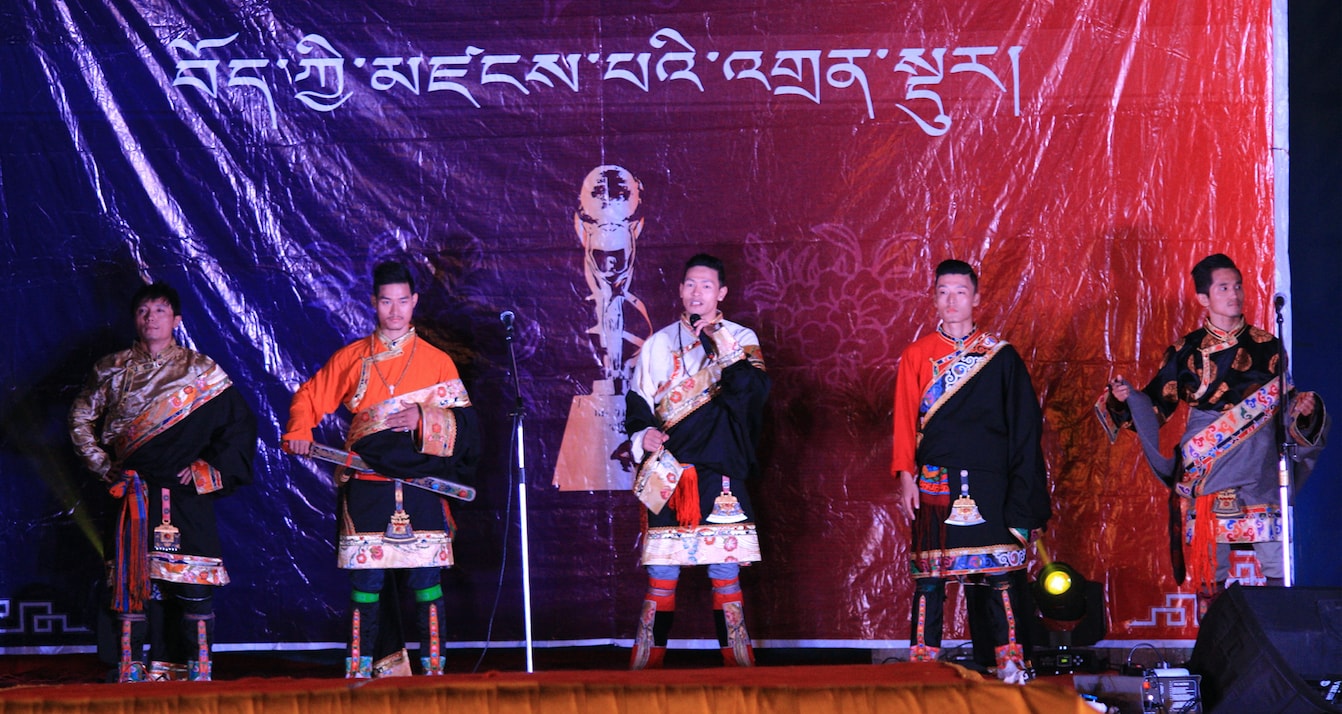
The official celebration was attended by Sikyong Penpa Tsering, Speaker of the Tibetan Parliament-in-Exile Dolma Tsering Teykhang, Kalons (Ministers), members of Parliament, CTA staff, students from Upper TCV and members of the Tibetan public, along with a 30-member delegation of Chinese pro-democracy activists.
On 2 September 1960, the first Commission of Tibetan People’s Deputies from religious and provincial constituencies took their oath before His Holiness the Dalai Lama, formally inaugurating the Tibetan democratic system of governance.
Despite impassioned appeals by the Parliament and the Tibetan people to stay on as the nominal head of state, the Dalai Lama devolved all his political authority to a democratically elected leadership in 2011, completing the transition to a secular democracy. This year marks over 15 years since the devolution of political authority by the Dalai Lama.