The Dalai Lama’s Democratic Vision in Exile
By Khedroob Thondup
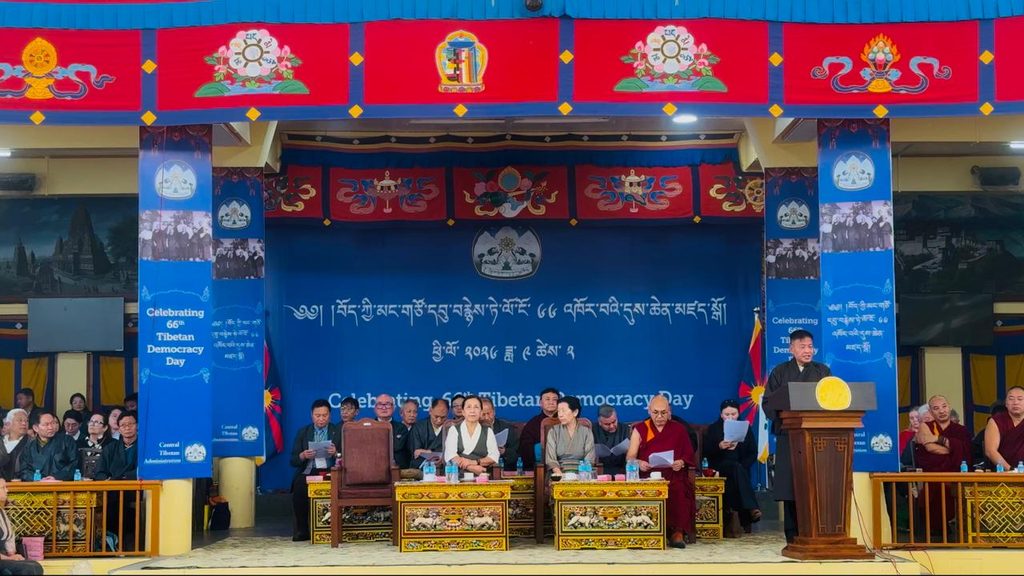
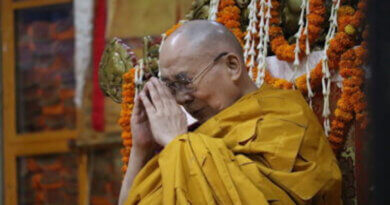
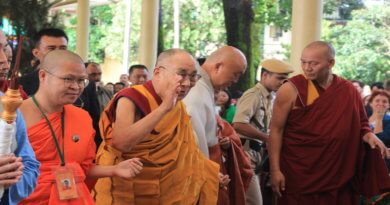
When Tibet’s spiritual leader fled into exile in 1959, he faced a choice that would define the Tibetan struggle for generations. Rather than consolidating authority in his own hands, the Dalai Lama chose to disperse it—encouraging democracy among a displaced people. In doing so, he transformed exile from a condition of waiting into a laboratory for self-rule.
Democracy as a Safeguard. The Dalai Lama recognized that exile could erode Tibetan identity. Without institutions, Tibetans risked becoming passive refugees rather than active citizens. By establishing the Central Tibetan Administration and the Tibetan Parliament-in-Exile, he ensured that Tibetans remained a political community. Elections, debates, and accountability became the lifeblood of a people denied sovereignty. Democracy was not simply a system—it was a safeguard against irrelevance.
The Middle Way and the Independence Debate. His Middle Way Approach, advocating genuine autonomy within China, is often seen as a compromise. Yet the Dalai Lama has never opposed calls for independence. He has insisted that Tibetans must be free to debate their future openly. This openness reflects his belief that leadership should empower, not dictate.
Here, family history adds nuance. His elder brother, Tagtser Rinpoche was a staunch supporter of independence. The Dalai Lama’s willingness to allow independence advocates their voice—even while advancing autonomy as policy—underscores his democratic instinct. He does not silence dissent; he legitimizes it within the framework of exile democracy.
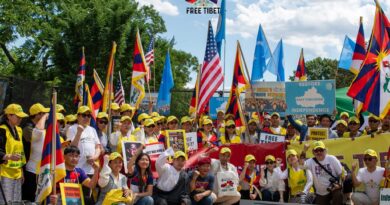
Democracy as Defiance. Every Tibetan ballot cast in Dharamsala or abroad is an act of defiance against authoritarianism. Beijing insists Tibetans are represented by officials it appoints in Lhasa. But Tibetans in exile elect their own leaders, accountable to their people, not to Beijing. This democratic practice exposes the hollowness of China’s claims and reminds the world that Tibetans remain capable of self-rule.
Preparing for a Future Tibet. The Dalai Lama has repeatedly stated that in a future Tibet, he would step aside from political authority, leaving governance to elected representatives. This is not abdication—it is foresight. By modeling democracy now, Tibetans are rehearsing for sovereignty later. The institutions of exile are not temporary scaffolding; they are prototypes for a free Tibet.
A Legacy of Empowerment. The Dalai Lama’s encouragement of democracy is, at its core, an act of trust. He trusts Tibetans to carry their struggle forward, to argue, to vote, to disagree, and to decide. His Middle Way may be pragmatic, but his commitment to democracy is uncompromising. In exile, democracy is not only survival—it is a declaration of existence.
And in that declaration lies the hope that Tibet will one day not only remember its past but also shape its future, whether through autonomy or independence.
Khedroob Thondup is a former Tibetan diplomat and parliamentarian, and nephew of the 14th Dalai Lama. He is also the editor of the book: Dalai Lama, My Son and Tibet in Turmoil.
The views expressed in this article are those of the author and should not be attributed to Tibet Express.