A New Strategy for Tibet: Why Vision Must Replace Stagnation
By Khedroob Thondup
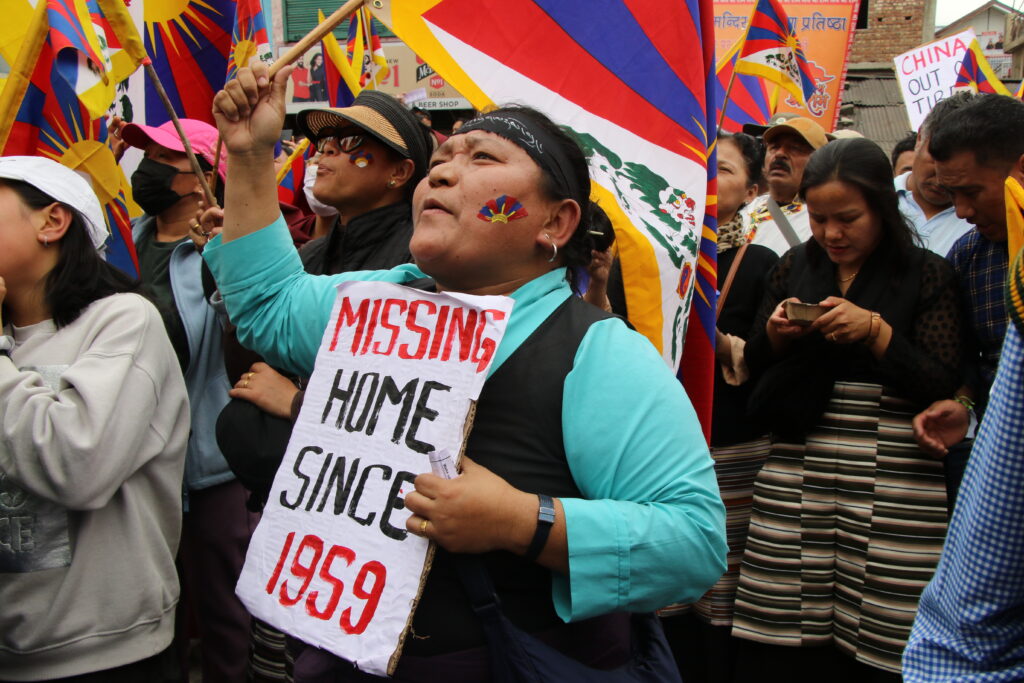
For more than four decades, the Tibetan leadership has held to a strategy that Beijing has consistently rejected. The reliance on a framework conceived in the 1980s—anchored in appeals for dialogue and autonomy—has not yielded meaningful negotiations. Instead, it has left Tibetans in a holding pattern, waiting for a door that Beijing has bolted shut. The time has come to recognize that persistence without adaptation is not resilience; it is stagnation.
Why the Old Strategy No Longer Works. Beijing’s calculus: China has grown more confident, more assertive, and less willing to entertain concessions. The leadership in Beijing sees little incentive to revisit proposals it dismissed decades ago. International context: Global attention has shifted. Tibet is no longer the centrepiece of human rights discourse it once was, overshadowed by crises in Xinjiang, Hong Kong, and elsewhere. Generational change: Younger Tibetans, both inside Tibet and in exile, are inheriting a struggle that feels frozen in time. They deserve a strategy that speaks to their future, not one bound to the past.
What a New Strategy Must Envision. Reframing the narrative: Tibet must be presented not as a relic of history but as a living civilization with contributions to make in the modern world. This means shifting from appeals to sympathy toward appeals to partnership. Leveraging global networks: The Tibetan diaspora is educated, connected, and influential. Harnessing these networks to build coalitions across civil society, academia, and technology can create new leverage points. Strategic patience with innovation: Patience is necessary, but it must be active patience—investing in cultural preservation, digital diplomacy, and alliances that make Tibet indispensable to conversations about Asia’s future. Creating incentives for Beijing: Negotiation will only happen when Beijing sees benefit. That requires Tibetans to articulate a vision where cooperation enhances China’s global image, stability, and legitimacy.
The Leadership Tibet Needs. The Tibetan struggle cannot be sustained by custodians of a forty-year-old playbook. It requires leaders who are willing to take risks, to imagine futures beyond the familiar, and to craft strategies that make Beijing want to sit at the table. Visionary leadership is not about abandoning principles—it is about reinterpreting them for a new era.
Our future lies in the hands of those who can see beyond rejection, who can craft a strategy that transforms Tibet from a dismissed petition into a respected partner. The measure of leadership now is not fidelity to the past but courage to design the future.

Khedroob Thondup is a former Tibetan diplomat and parliamentarian, and nephew of the Dalai Lama. He is also the editor of the books Dalai Lama, My Son and Tibet in Turmoil.
The views expressed in this article are those of the author and should not be attributed to Tibet Express.