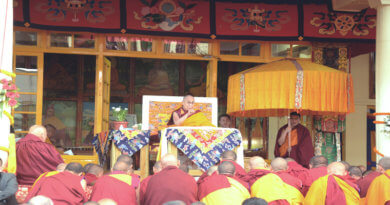
The Dalai Lama’s Reincarnation and India’s Moral Crossroads
By Khedroob Thondup
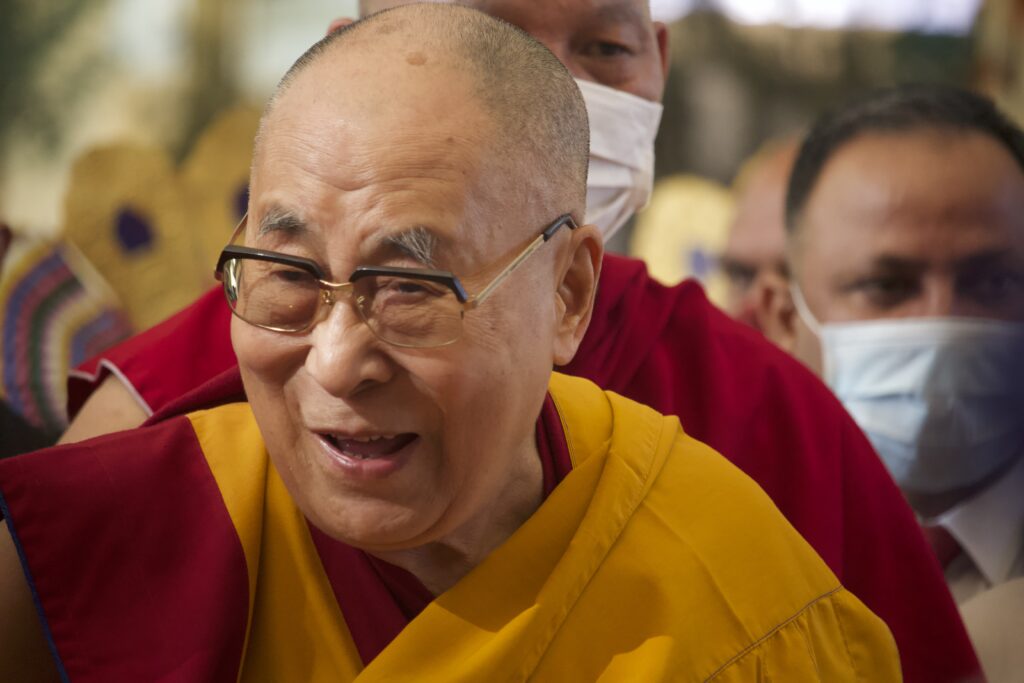
China’s recent warnings to India not to interfere in the future reincarnation of the Dalai Lama are more than just diplomatic posturing. They strike at the heart of a centuries-old Tibetan spiritual tradition and the geopolitical contest over who gets to define its future. Beijing insists that the next Dalai Lama must be chosen under its authority, a claim rooted in its broader assertion of sovereignty over Tibet. Yet the Dalai Lama himself has repeatedly suggested that his reincarnation may well occur outside Tibet — most plausibly in India, where he has lived in exile since 1959.
Control over Tibet: Beijing views the Dalai Lama not only as a religious leader but as a symbol of Tibetan resistance. Controlling his succession is a way to neutralize that resistance. Legitimacy: By appointing a state-sanctioned Dalai Lama, China seeks to cement its narrative that Tibet is inseparable from the Chinese nation. Strategic rivalry: India’s potential role in hosting or recognizing the next Dalai Lama would directly challenge China’s authority, escalating tensions between the two Asian giants.
India is not a neutral bystander. Dharamsala, in Himachal Pradesh, has been the seat of the Tibetan government-in-exile for decades. The Dalai Lama’s spiritual authority radiates from Indian soil, and the Tibetan refugee community thrives under India’s protection. If the next Dalai Lama is reborn in India, New Delhi will inevitably become a central player in the succession process.
Moral responsibility: India has sheltered the Tibetan community for over six decades. To abdicate involvement now would be a betrayal of that legacy. Soft power: Supporting a legitimate reincarnation process enhances India’s global image as a defender of religious freedom and moral leadership. Geopolitical leverage: India’s stance on the Dalai Lama’s reincarnation could become a bargaining chip in its broader relationship with China, especially amid border disputes and regional competition.
India’s responsibility is not merely political but ethical. The Dalai Lama represents a spiritual lineage that transcends borders. To allow Beijing to dictate the terms of his reincarnation would be to concede that spiritual traditions can be subordinated to authoritarian control. India, with its pluralistic ethos and democratic values, has a duty to safeguard the authenticity of the Tibetan tradition.
The coming decades will test India’s resolve. If the Dalai Lama is reborn in India, New Delhi will face immense pressure from Beijing. Yet India’s moral responsibility — to Tibetans, to its own democratic ideals, and to the global community — is clear. The reincarnation of the Dalai Lama is not just a Tibetan matter; it is a question of whether spiritual freedom can survive in the shadow of geopolitical power.
Khedroob Thondup is a former Tibetan diplomat and parliamentarian, and nephew of the Dalai Lama. He is also the editor of the books Dalai Lama, My Son and Tibet in Turmoil.
The views expressed in this article are those of the author and should not be attributed to Tibet Express.