Author: Tibet Express Newsdesk

Why the Global Tibetan Diaspora Must Keep Tibet Alive

By Khedroob Thondup
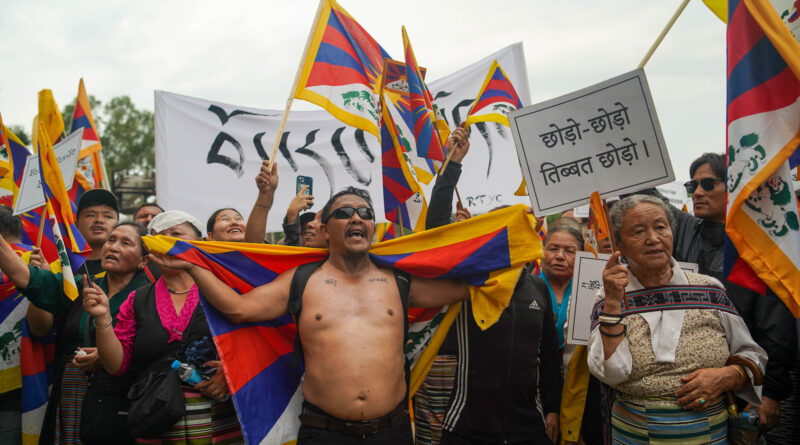
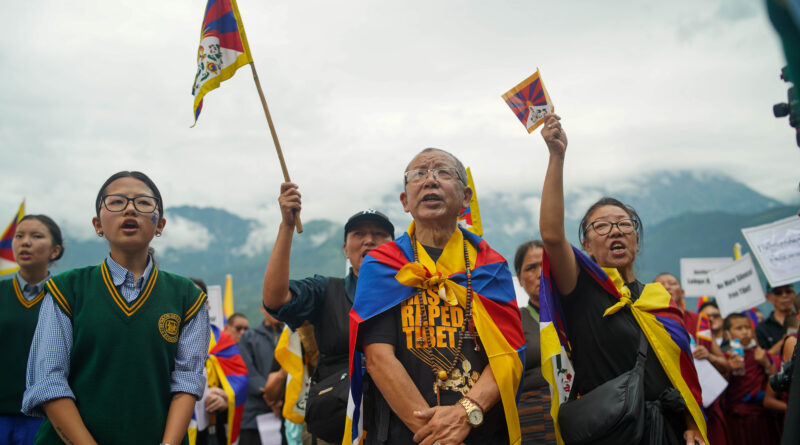
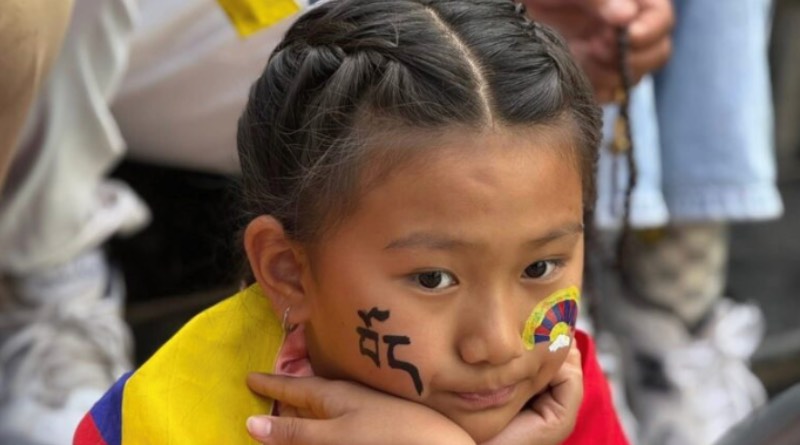
The Tibetan struggle is not a relic of the past. It is a living, breathing issue that demands vigilance, creativity, and persistence. For more than six decades, Tibetans in exile have carried the torch of their nation, ensuring that the world does not forget a people whose homeland remains under occupation. The responsibility of the global Tibetan diaspora today is not simply to preserve memory, but to actively shape the narrative so that Tibet remains relevant in international discourse.
Read more

The Failure of China’s Invasion of Tibet

By Khedroob Thondup
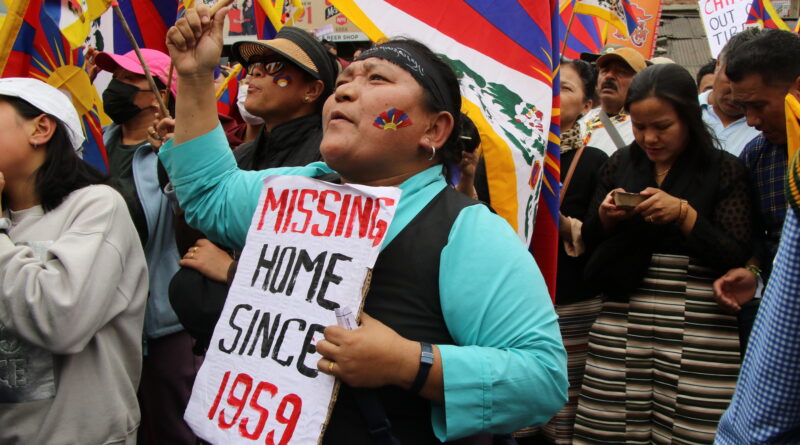
Broken Promises and Betrayed Autonomy. Seventeen-Point Agreement: Signed under duress, this treaty promised Tibet autonomy. Within years, Beijing shredded those commitments, replacing them with direct rule and military suppression. 1959 Uprising: Tibetans rose in mass resistance, only to be crushed by overwhelming force. Tibet’s spiritual and political leadership was silenced inside the country.

Read more

China Expands Religious Scrutiny Into Chengdu Schools, Hospitals

By Tenzin Chokyi

DHARAMSALA, 18 August: Chinese authorities in Chengdu are reportedly extending their scrutiny of religious belief into public institutions, with a public hospital requiring all employees to disclose their religious affiliations and schools collecting information on the religious backgrounds of students and their parents, according to leaked documents and accounts reported by The Epoch Times.

Read more

The Empty Victory: Why China Gains Nothing by Holding Tibet

By Khedroob Thondup

For more than six decades, Beijing has clung to Tibet with a grip that is both suffocating and self-defeating. Six million Tibetans live under policies of suppression, surveillance, and cultural erasure. Yet when one strips away the rhetoric of “national unity” and “territorial integrity,” the question becomes painfully clear: what has China truly gained by holding Tibet? The answer, in truth, is very little—while the costs have been immense.

Read more

Why the US Should Recognise the Ganden Phodrang as the Legitimate Office of the Dalai Lama

By Khedroob Thondup
For decades, Tibet’s future has been entangled in the geopolitical contest between Beijing’s claims of sovereignty and the Tibetan people’s struggle for cultural and religious survival. Yet one institution has endured across centuries of upheaval: the Ganden Phodrang, the traditional office of the Dalai Lama. As the world anticipates the eventual succession of the 15th Dalai Lama, the United States faces a critical choice. By recognising the Ganden Phodrang as the legitimate authority to select the next Dalai Lama, Washington can safeguard Tibetan religious freedom, strengthen international norms, and enhance global recognition of Tibet’s unique civilisational identity.

Read more