The Empty Victory: Why China Gains Nothing by Holding Tibet
By Khedroob Thondup
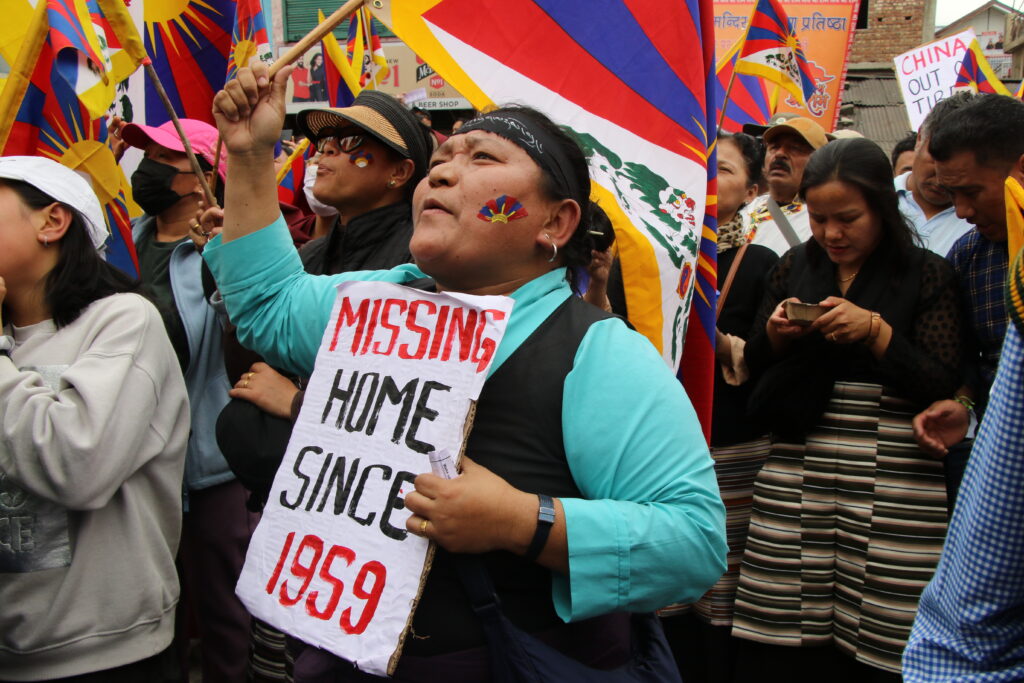
For more than six decades, Beijing has clung to Tibet with a grip that is both suffocating and self-defeating. Six million Tibetans live under policies of suppression, surveillance, and cultural erasure. Yet when one strips away the rhetoric of “national unity” and “territorial integrity,” the question becomes painfully clear: what has China truly gained by holding Tibet? The answer, in truth, is very little—while the costs have been immense.
Illusion of Strategic Value. Geopolitical buffer: Tibet is often described as China’s shield against India. But modern warfare and diplomacy have rendered such buffers obsolete. Satellites, missiles, and cyber capabilities make mountains less decisive than they once were.
Water resources: Tibet’s rivers are indeed vital, but damming them has sparked tensions with downstream nations. Instead of securing stability, China has invited regional hostility, undermining its own long-term security.
Military presence: The militarization of Tibet drains resources and entrenches resentment. Bases built on resentment are not fortresses—they are liabilities.
The Moral and Cultural Cost. Suppression of identity: Forcing six million Tibetans to abandon their language, religion, and traditions has not created loyalty—it has deepened alienation. No empire has ever won love through coercion.
Propaganda vs. reality: Beijing insists Tibetans are “grateful citizens.” Yet the persistence of resistance, from quiet acts of defiance to global advocacy, exposes the hollowness of this claim.
Human rights abuses: Each report of repression—monasteries monitored, families separated, culture diluted—chips away at China’s international reputation. Soft power evaporates when human dignity is trampled.
The Economic Burden. Infrastructure spending: Billions poured into railways, highways, and airports have not yielded prosperity. Instead, they serve primarily to tighten control, not to uplift Tibetans. Tourism façade: While Tibet is marketed as a mystical destination, the reality of restrictions and surveillance deters genuine engagement. Economic gain is stunted by political paranoia. Opportunity cost: Resources devoted to Tibet could have been invested in innovation, education, or healthcare for China’s own citizens. Occupation is not development—it is diversion.
Conclusion. China’s occupation of Tibet is a hollow triumph. It has not secured loyalty, prosperity, or legitimacy. Instead, it has burdened Beijing with resentment, drained resources, and tarnished its global image. Six million Tibetans remain unconquered in spirit, reminding the world that suppression cannot manufacture belonging. In holding Tibet, China holds only a mirror to its own insecurities—proof that power without consent is no power at all.

Khedroob Thondup is a former Tibetan diplomat and parliamentarian, and nephew of the 14th Dalai Lama. He is also the editor of the book: Dalai Lama, My Son and Tibet in Turmoil.
The views expressed in this article are those of the author and should not be attributed to Tibet Express.