China’s United Front Work Department and the Tibetan Diaspora
By Khedroob Thondup
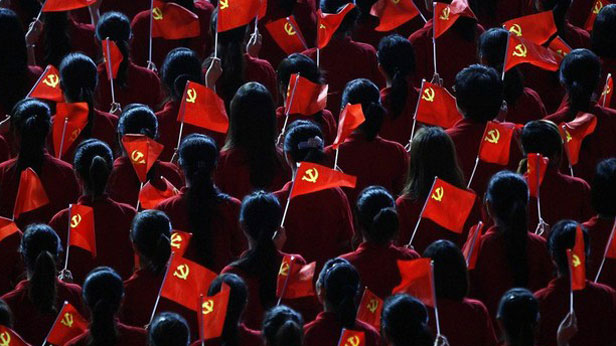
Executive Summary. The United Front Work Department (UFWD) is a central organ of the Chinese Communist Party (CCP) tasked with consolidating domestic control and extending influence abroad. Within the Tibetan diaspora, the UFWD deploys tactics of misinformation, selective co-optation, and institutional fragmentation to erode unity, weaken advocacy, and dilute loyalty to the Dalai Lama. These efforts aim to neutralize exile activism and reshape Tibetan identity under Beijing’s narrative of “Sinicization.”
Background. Diaspora significance: The Tibetan exile community, concentrated in India and Nepal, has been a vital force in preserving Tibetan culture and advocating for autonomy since 1959. UFWD mandate: Expanded under Xi Jinping, the UFWD coordinates propaganda, overseas influence, and ethnic minority management. Its work against Tibetans abroad is part of a broader campaign to control narratives and suppress dissent.
Key Tactics of Division. Digital misinformation campaigns: UFWD-backed outlets spread disinformation about exile leaders, portraying them as corrupt or irrelevant, while amplifying narratives of Tibet’s “inevitable integration” into China. Selective co-optation of leaders: Certain community figures are offered financial incentives, travel opportunities, or cultural exchanges in China. This fosters suspicion within diaspora circles and undermines trust in leadership. Fragmentation of institutions: Monasteries, NGOs, and schools are pressured to denounce “foreign infiltration.” This weakens exile governance and erodes cohesion around the Dalai Lama. Cross-border restrictions: Strict controls on Tibetan travel between Nepal, India, and Tibet disrupt family ties and community solidarity. Narrative manipulation: Beijing frames the “Tibet question” as settled, delegitimizing exile activism and promoting “Sinicized” Buddhism as authentic.
Implications. Weakening advocacy: A fractured diaspora struggles to lobby effectively in international forums. Diluting identity: Loyalty to the Dalai Lama and Tibetan institutions is undermined, advancing assimilation into a “Chinese identity.” Strategic leverage: Division allows Beijing to present itself as the sole legitimate voice on Tibet, marginalizing exile leadership.
Policy Recommendations. Strengthen diaspora resilience. Invest in community education programs to counter misinformation and reinforce cultural identity. Enhance digital literacy. Equip younger Tibetans with tools to identify and resist online propaganda. Support exile institutions. Provide funding and international partnerships for monasteries, schools, and NGOs to resist co-optation. Engage host governments. Encourage India, Nepal, and Western states to resist Chinese pressure and safeguard Tibetan activism. Promote unified messaging. Develop coordinated communication strategies across diaspora communities to counter Beijing’s narrative.
Conclusion. The UFWD’s campaign against the Tibetan diaspora is a deliberate strategy to fracture solidarity, neutralize activism, and erase Tibetan identity abroad. Policymakers, host governments, and diaspora leaders must recognize these tactics and respond with coordinated resilience measures to preserve the integrity of Tibetan culture and advocacy.
Khedroob Thondup is a former Tibetan diplomat and parliamentarian, and nephew of the 14th Dalai Lama. He is also the editor of the book: Dalai Lama, My Son and Tibet in Turmoil.
The views expressed in this article are those of the author and should not be attributed to Tibet Express.