First Session of 18th Tibetan Parliament Approves Six Kalons, Debates Tibet Solidarity Resolution
By Tenzin Chokyi
DHARAMASALA 2 June: The first session of the newly constituted 18th Tibetan Parliament-in-Exile began today with the election of six ministers to the 17th Kashag (Cabinet) of the Tibetan government in exile and deliberations on a Solidarity Resolution on Tibet, which is expected to be adopted on the final day of the session tomorrow.
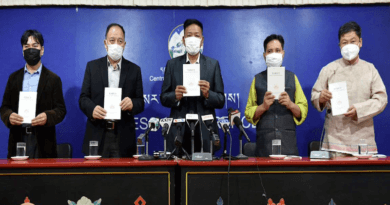
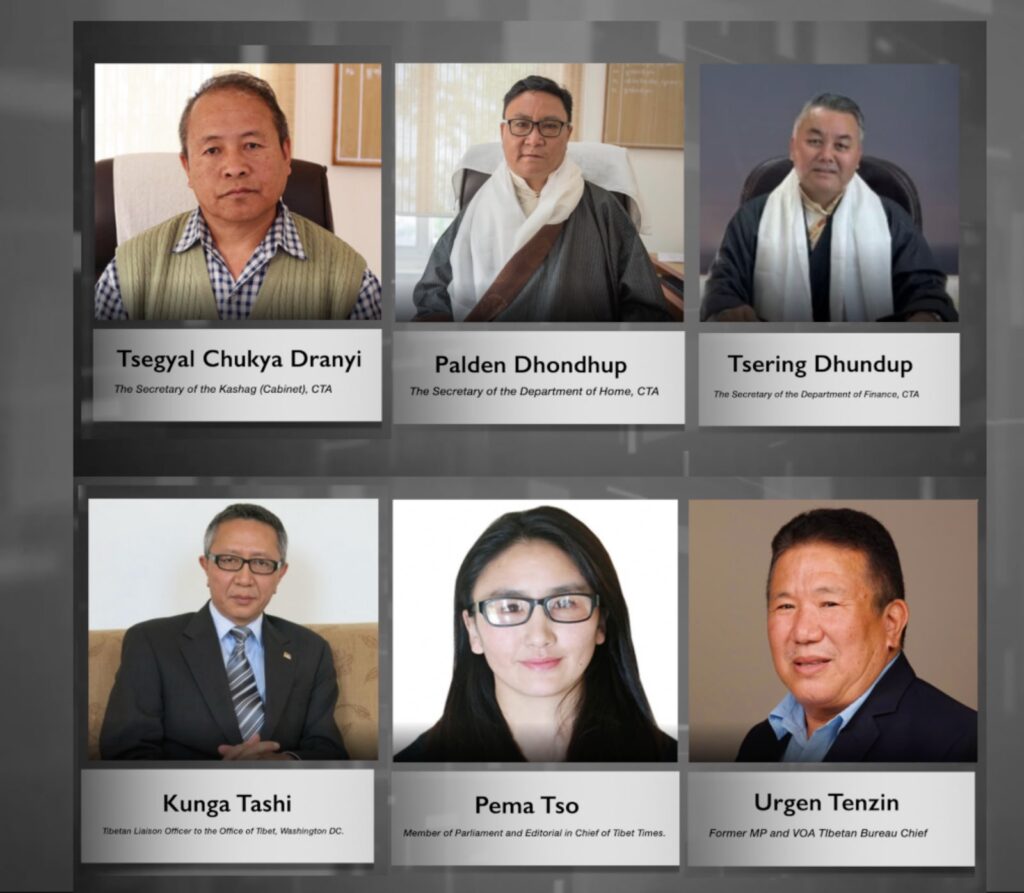
During the first day of the two-day session, scheduled for 2–3 June, Parliament approved six ministerial nominees put forward by the re-elected Sikyong Penpa Tsering through a series of secret ballots. The approved nominees are Tsegyal Chukya Dranyi, Palden Dhundup, Tsering Dhondup, Ugyen Tenzin, Kunga Tashi, and Pema Tso. They will serve as Kalons (Ministers) in the 17th Kashag, the executive body of the Tibetan government-in-exile, which oversees seven departments
Of the 45 members of the 18th Tibetan Parliament-in-Exile, 44 participated in the voting, with one member on approved leave. Among the nominees, Palden Dhundup received unanimous support from all 44 members present. Ugen Tenzin secured the narrowest margin of approval, receiving 24 votes in favour and 20 against. Tsering Dhondup Gyanser received 33 votes in favour and 11 against, Tsegyal Chukya Dranyi secured 30 votes in favour and 14 against, Kunga Tashi received 29 votes in favour and 15 against, and Pema Tso, the only woman nominee, was approved with 30 votes in favour and 13 against.
As Sikyong Penpa Tsering submitted only six ministerial nominees, he is expected to retain one portfolio and serve concurrently as a Kalon in the 17th Kashag. The respective departments of the elected Kalons are expected to be announced at their oath-taking ceremony tomorrow. Under the Charter of the Tibetans in Exile, the Sikyong is vested with the authority to assign ministerial portfolios.
The session also deliberated on a six-point Solidarity Resolution on Tibet, which strongly condemns the continued repression of Tibetans in occupied Tibet under China’s assimilation policies, including the colonial-style boarding school system, as well as ongoing restrictions on religious freedom and other human rights violations. The resolution calls for the immediate repeal of these policies and reaffirms support for the Middle Way Approach as the preferred means of resolving the Tibet-China conflict.
The resolution pays tribute to Tibetan martyrs for their sacrifices and expresses gratitude to the people and government of India for their continued support of the Tibetan people. It also acknowledges the support extended by the United States and other countries in Europe and Asia, as well as various non-governmental organizations that have advocated for the Tibetan cause.
Furthermore, the resolution calls for the release of the 11th Panchen Lama, Gedhun Choekyi Nyima, and all other Tibetan political prisoners, while urging the Chinese government to uphold their fundamental human rights. It also encourages Tibetans in exile to make greater use of opportunities to advocate for Tibet on international platforms, and to assume greater responsibility for preserving Tibetan language, culture, and religion amid heightened efforts to undermine Tibetan identity by the Chinese government.
Debate on the resolution remained ongoing at the close of the day’s proceedings and will continue on Wednesday, the final day of the two-day session, when it is expected to be put to a vote for adoption.