China Expands Religious Scrutiny Into Chengdu Schools, Hospitals
By Tenzin Chokyi
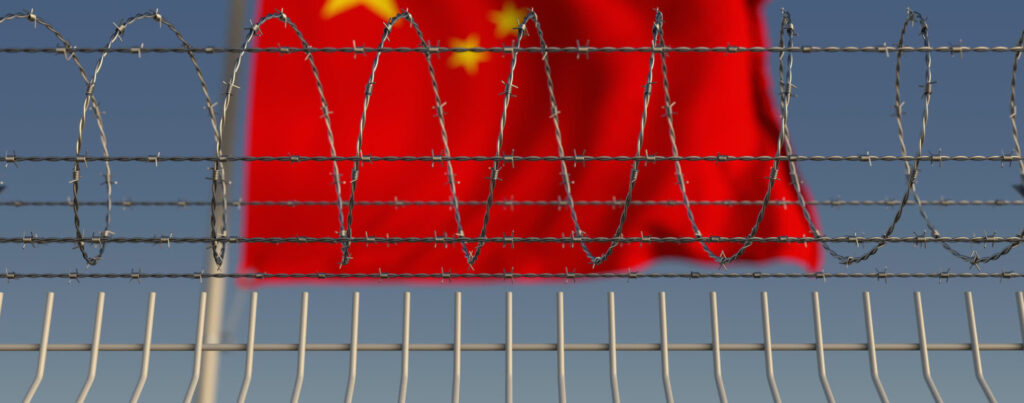
DHARAMSALA, 18 August: Chinese authorities in Chengdu are reportedly extending their scrutiny of religious belief into public institutions, with a public hospital requiring all employees to disclose their religious affiliations and schools collecting information on the religious backgrounds of students and their parents, according to leaked documents and accounts reported by The Epoch Times.
An internal notice from the Chengdu hospital instructed permanent, contracted and temporary employees to participate in a “comprehensive survey” of their religious beliefs as part of the “regular investigation of ideological, ethnic, and religious work.” All employees, including those with no religious affiliation, were required to provide information.
The notice reportedly stated that Chinese Communist Party members are prohibited from practising religion and required employees with religious affiliations to report the matter to their Party branches. It also warned employees against concealing information and prohibited religious activities and proselytising in the workplace.
The scrutiny reportedly extends to schools. An employee with Chengdu’s education authorities said schools conduct annual family background checks before new students enter school, including collecting information on religious affiliation. A university administrative employee in Sichuan similarly told the Epoch Times that schools compile information on students’ and their family members’ religious beliefs and submit it to higher authorities.
The accounts do not establish how widespread these practices are across China. However, a Chinese scholar cited in the report claimed that similar restrictions on religious belief among civil servants exist in Shandong and Zhejiang.
The measures come amid the Chinese Communist Party’s broader efforts to strengthen control over religious affairs and advance its policy of “Sinicisation of religion,” under which religious practice is expected to conform to the Party’s political and cultural priorities.
Such state control is particularly concerning for occupied peoples such as Tibetans, Uyghurs and Mongols, whose religious, cultural and linguistic identities have long been subjected to extensive restrictions under China’s colonial rule. While such controls are already deeply entrenched in the occupied regions, the Chengdu case indicates that the state’s scrutiny of religious belief also extends into the wider Chinese population.