The Failure of China’s Invasion of Tibet
By Khedroob Thondup
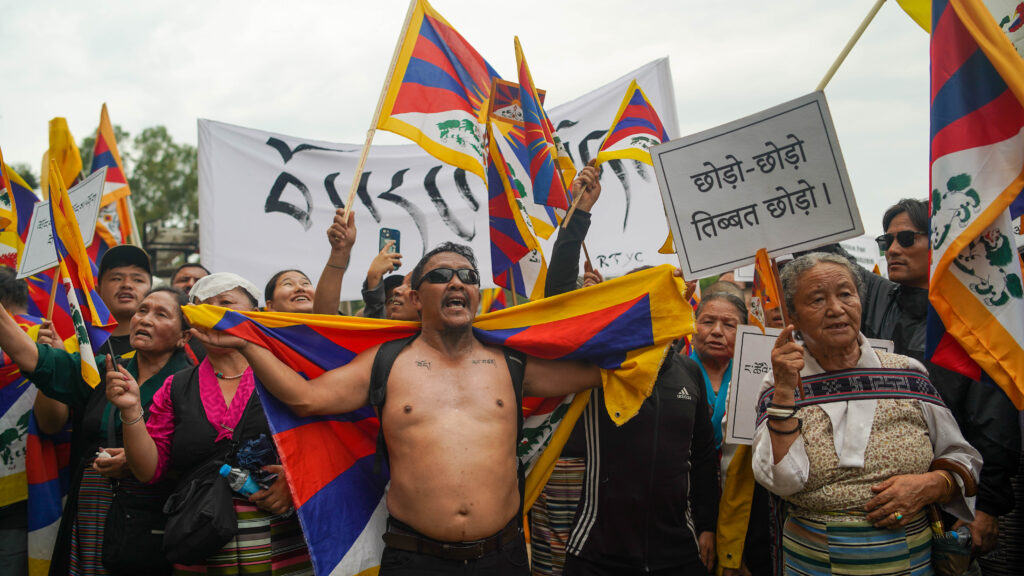
Broken Promises and Betrayed Autonomy. Seventeen-Point Agreement: Signed under duress, this treaty promised Tibet autonomy. Within years, Beijing shredded those commitments, replacing them with direct rule and military suppression. 1959 Uprising: Tibetans rose in mass resistance, only to be crushed by overwhelming force. Tibet’s spiritual and political leadership was silenced inside the country.
When the Chinese Communist Party marched into Tibet in 1950, it declared the move a “liberation.” In reality, it was the beginning of a decades-long occupation that has brought neither legitimacy nor peace. Instead, it has left a trail of devastation: over a million Tibetans are believed to have lost their lives since that invasion, and countless more have endured imprisonment, exile, and cultural erasure.
Human Cost of Occupation. Mass deaths: Estimates suggest over a million Tibetans perished through famine, imprisonment, and violent crackdowns. Cultural destruction: Monasteries were demolished, sacred texts burned, and the Tibetan language marginalised in schools. Diaspora resilience: Despite exile, Tibetans abroad have preserved traditions and amplified the struggle, ensuring the world cannot forget.
Propaganda vs. Reality. China has poured immense resources into portraying Tibet as a “happy land of progress.” Glossy documentaries, staged festivals, and slogans of “ethnic unity” attempt to mask repression. Yet propaganda collapses under the weight of lived reality:
Surveillance state: Tibet is one of the most monitored regions in the world, where even prayer can be treated as subversion.
Religious repression: Images of the Dalai Lama are banned, monasteries are infiltrated, and monks are detained. Global advocacy: Tibetans in exile continue to expose abuses, making it impossible for Beijing to fully control the narrative.
Why the Invasion Failed. Identity endures: Tibetan culture, language, and faith remain vibrant despite decades of suppression.
Legitimacy absent: No amount of coercion has won Tibetan loyalty; China rules through fear, not consent. International stain: Far from strengthening China’s global image, Tibet has become a symbol of its authoritarian excess.
Conclusion.The invasion of Tibet in 1950 was not a triumph but a tragedy. It has cost lives, eroded trust, and left China with a territory it cannot truly claim as its own. Propaganda may attempt to paint a picture of harmony, but the truth is undeniable: Tibet remains unconquered in spirit, and China’s occupation stands as one of its greatest failures.

Khedroob Thondup is a former Tibetan diplomat and parliamentarian, and nephew of the 14th Dalai Lama. He is also the editor of the book: Dalai Lama, My Son and Tibet in Turmoil.
The views expressed in this article are those of the author and should not be attributed to Tibet Express.