
China Demolishes Ancient Fortress in Tibet’s Gyalrong Region
By Tenzin Chokyi
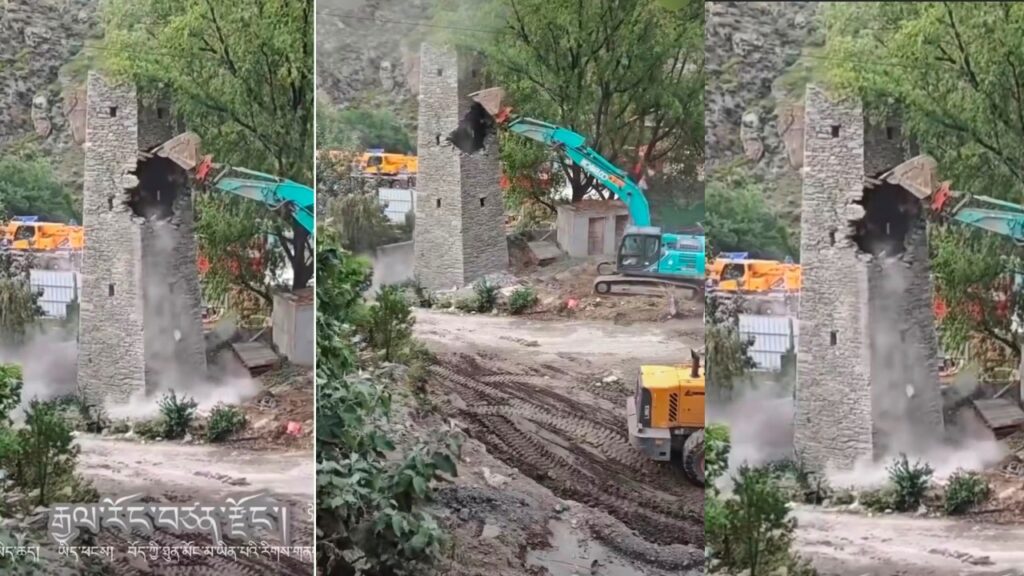
DHARAMSALA, 16 July: The demolition of a historic stone fortress in Tibet’s eastern Gyalrong region by Chinese authorities has drawn criticism from Tibetans, who say it has heightened concerns over the preservation of Tibetan cultural heritage just days after China’s “Law on Promoting Ethnic Unity and Progress” came into force.
Videos widely circulated online on 14 July show a bulldozer demolishing the centuries-old stone fortress, reportedly dating back to the Tibetan Empire. Although the exact circumstances surrounding the demolition remain unclear, the footage spread rapidly across Chinese social media before the original posts were removed, according to sources familiar with the incident.
The demolition prompted rare expressions of grief from Tibetans inside occupied Tibet. Before the original posts were taken down, social media users described the loss as irreversible, questioned why a historic monument had been destroyed, and lamented what they saw as the continued erosion of Tibet’s cultural heritage. According to sources familiar with the incident, the footage remained online for only a few hours but attracted widespread comments and shares before being censored. While the original uploads have since been removed, saved copies of the videos continue to circulate among Tibetans and on social media platforms.
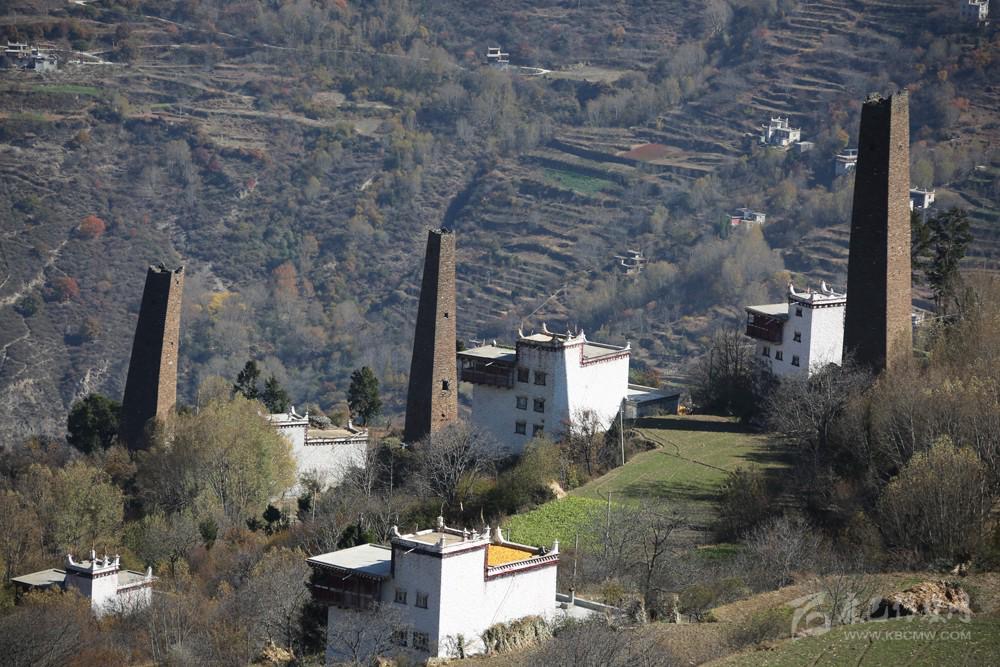
Located in present-day Sichuan Province under Chinese rule, Kham Gyalrong in eastern Tibet is home to hundreds of ancient stone fortresses built between the 6th and 19th centuries. Some of the oldest structures are believed to date back more than 1,200 years and are regarded as important examples of Tibetan military architecture and regional history.
The demolition has also drawn criticism from Tibetans in exile, who linked the incident to broader concerns over China’s policies in occupied Tibet. The circulation of the demolition footage, just days after the implementation of the Law on Promoting Ethnic Unity and Progress on July 1, has further intensified those concerns. While Beijing maintains that the law promotes ethnic equality, safeguards cultural heritage and strengthens national unity, Tibetan groups and human rights organisations argue that it provides a legal framework for policies aimed at assimilating Tibetans and eroding their distinct cultural identity.
Chinese authorities have not publicly explained why the fortress was demolished.