Tibetan Buddhism in Beijing’s Political Crosshairs
By Khedroob Thondup
The Chinese Communist Party’s (CCP) United Front Work Department (UFWD) has been actively engaging with the 17th Karmapa, Ogyen Trinley Dorje, in a bid to influence Tibetan Buddhism and assert control over its spiritual leadership. This outreach includes arranging meetings between the Karmapa and his parents in Hong Kong and providing regular advice on his future. Understanding the motivations and methods behind this outreach reveals the broader strategic objectives of the CCP.
The Karmapa is one of the most significant figures in Tibetan Buddhism, second only to the Dalai Lama in terms of spiritual influence. Recognised by both China and the Dalai Lama, Ogyen Trinley Dorje’s position holds considerable sway over the Tibetan Buddhist community. By engaging with the Karmapa, the CCP aims to secure a key ally within Tibetan Buddhism, thereby strengthening its control over the region and its religious institutions.
One of the notable efforts by the UFWD has been facilitating meetings between the Karmapa and his parents in Hong Kong. These reunions serve multiple purposes. Firstly, they act as a gesture of goodwill, fostering a sense of gratitude and obligation towards the Chinese authorities. Secondly, they provide an opportunity for the CCP to influence the Karmapa through his family, leveraging emotional bonds to steer his decisions and actions.
The UFWD’s regular advice to the Karmapa on his future is another critical aspect of their outreach. This guidance likely includes strategic counsel on his public statements, travel plans, and interactions with other religious leaders. By shaping the Karmapa’s actions and public image, the CCP aims to ensure that he aligns with their political objectives and does not support the Tibetan independence movement or other activities deemed subversive by Beijing.
The broader goal of the UFWD’s outreach is to integrate Tibetan Buddhism into the framework of Chinese socialism. This involves promoting “patriotic education” within monasteries, ensuring that religious leaders pledge allegiance to the CCP, and reshaping religious practices to fit the narrative of Chinese nationalism. By influencing key figures like the Karmapa, the CCP hopes to accelerate this process of cultural and religious assimilation.
The UFWD’s efforts to control Tibetan Buddhism have significant international implications. The Karmapa’s influence extends beyond Tibet, reaching the global Tibetan diaspora and Buddhist communities worldwide. By securing the Karmapa’s allegiance, the CCP can project its influence internationally, countering narratives of Tibetan oppression and promoting its version of religious harmony and cultural unity.
China’s United Front Work Department’s outreach to the Karmapa is a strategic move to consolidate control over Tibetan Buddhism and integrate it into the Chinese state. By arranging family reunions and providing regular advice, the CCP aims to influence the Karmapa’s actions and ensure his alignment with their political objectives. This outreach is part of a broader strategy of cultural and religious assimilation, with significant implications for both Tibet and the international community. As the world watches, the future of Tibetan Buddhism and its leaders remains a critical issue in the broader context of human rights and international relations.
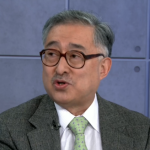
Khedroob Thondup is a former Tibetan diplomat and parliamentarian and nephew of the 14th Dalai Lama. He is also the editor of the book ‘Dalai Lama, My Son and Tibet in Turmoil.’
The views expressed in this article are those of the author and should not be attributed to Tibet Express.