The Choice Before Beijing: Threaten Taiwan or Win Its Trust?
By Khedroob Thondup
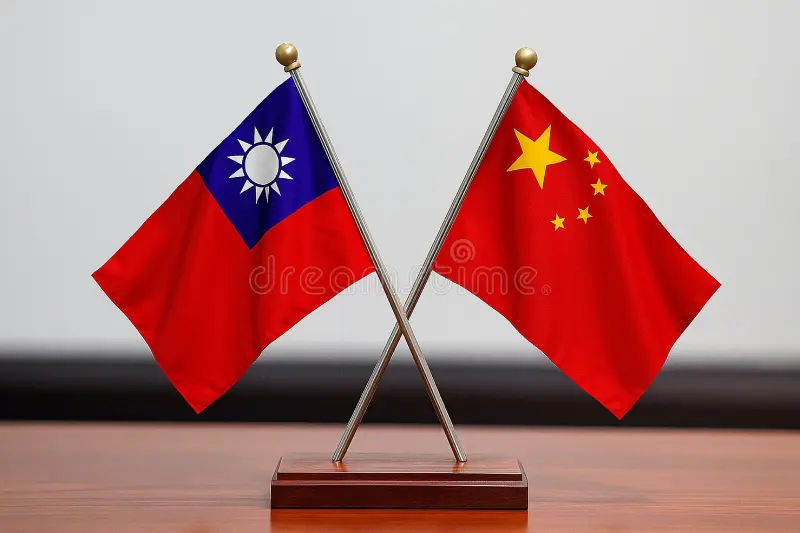
As Taiwan approaches its 2028 presidential election, a familiar pattern is likely to emerge. China will again demand that the United States halt arms sales to Taiwan while simultaneously deploying ships and aircraft around the island in demonstrations of military power. Beijing may view these actions as necessary signals of resolve. Yet history suggests they often produce the opposite effect.
Military intimidation is not merely a show of strength. It is a political message aimed at influencing the calculations of voters, policymakers, and international observers. By increasing pressure before democratic elections, Beijing appears to hope that Taiwanese citizens will conclude that resistance is futile and that accommodation is the safer course. But such efforts regularly underestimate the political character of Taiwan’s democracy.
External pressure tends to strengthen, not weaken, Taiwanese resolve. Voters who see warships and military aircraft operating near their island are reminded of what is at stake: their right to determine their own future through peaceful, democratic means. Rather than encouraging political concessions, coercion often reinforces public skepticism toward Beijing’s intentions.
The same dynamic extends beyond Taiwan. America’s allies and partners become more attentive, not less, when Washington appears uncertain about its commitments. Perceived hesitation does not calm tensions. It raises new questions about regional stability and encourages governments throughout the Indo-Pacific to reassess the security environment. Efforts to intimidate Taiwan therefore risk generating the very international resistance Beijing seeks to avoid.
Yet the future of cross-strait relations should not be viewed solely through a military lens. Taiwan could, in theory, be captured by force. But history suggests that durable political outcomes are rarely achieved through coercion alone. If genuine unification is ever to occur peacefully, it would require something far more powerful than military capability: the voluntary consent of the Taiwanese people.
That possibility cannot be dismissed entirely. Taiwan and mainland China share deep historical, cultural, and linguistic ties. The unification of two societies that represent different expressions of Chinese civilization is conceivable. But it would require Taiwanese citizens to believe that their freedoms, institutions, and way of life would remain secure. At present, many do not.
The central challenge for Beijing is therefore political, not military. If China wishes to make peaceful unification more plausible, it must create conditions under which Taiwanese people can confidently imagine a future in which they continue to live freely, speak openly, vote democratically, and preserve the society they have built. Military exercises cannot accomplish that objective. Trust can.
Today, such a transformation may seem unlikely. The political systems on either side of the Taiwan Strait continue to move along very different paths. But the arc of history is long, and political realities can change in unexpected ways. The crucial question is whether that arc will bend toward the aspirations of ordinary people on both sides of the strait.
When Taiwan goes to the polls in 2028, Beijing will face a choice. It can attempt to make itself more threatening, hoping that fear will shape the outcome. Or it can seek to make itself more attractive, demonstrating confidence that its future vision can succeed through persuasion rather than pressure.
The answer may determine not only the fate of Taiwan, but also the prospects for lasting peace across the Taiwan Strait.
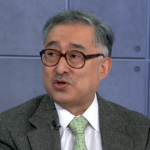
Khedroob Thondup is a former Tibetan diplomat and parliamentarian and nephew of the 14th Dalai Lama. He is also the editor of the book, ‘Dalai Lama, My Son and Tibet in Turmoil.’
The views expressed in this article are those of the author and should not be attributed to Tibet Express.