Ngapo Ngawang Jigme Was No Traitor. He Was a Tibetan Patriot Facing an Impossible Choice
By Khedroob Thondup
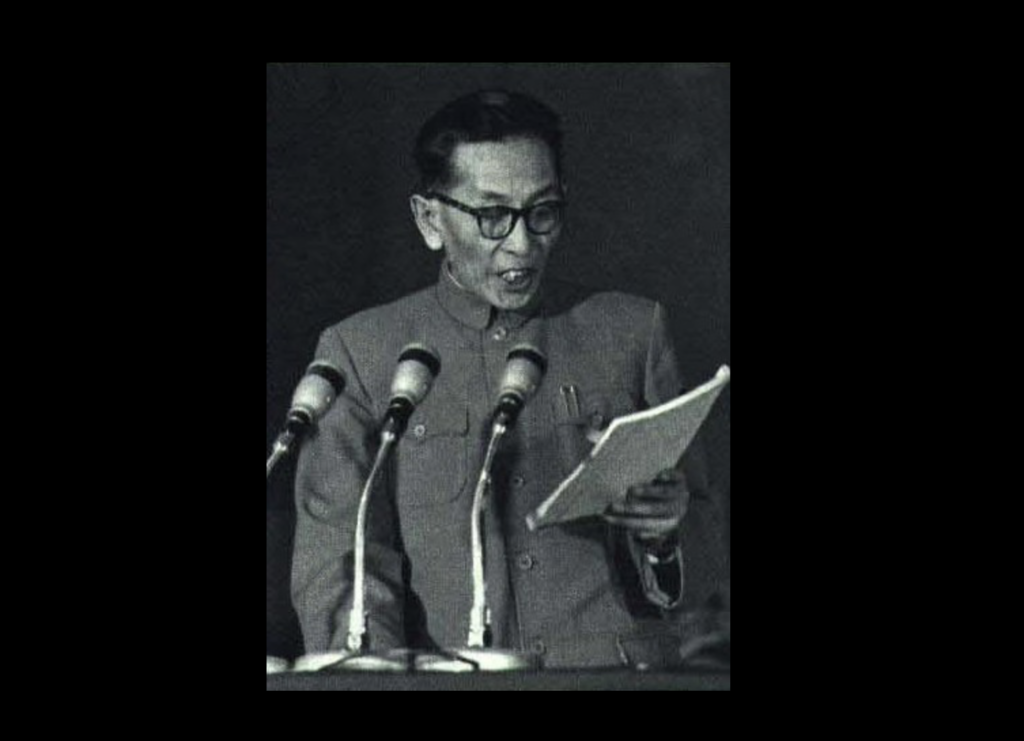
History is often unkind to those forced to make decisions in moments of national catastrophe. Few Tibetans embody this dilemma more than Ngapo Ngawang Jigme, a man whom many have denounced as a traitor because of his role in Tibet’s dealings with the People’s Republic of China. Yet a closer examination of his life reveals something far more complex: not a collaborator driven by personal gain, but a Tibetan patriot struggling to preserve what he could of his country under circumstances that offered no good options.
The charge against Ngapo rests primarily on his association with the 1951 Seventeen Point Agreement, the document through which Beijing asserted sovereignty over Tibet. To many Tibetans, particularly those in exile, his involvement has overshadowed everything else he ever did. The agreement became a symbol of Tibet’s loss of independence, and Ngapo became an easy target for the anger and grief that followed.
But reducing a lifetime of service and political struggle to a single moment is poor history.
Ngapo was first and foremost a Tibetan official who spent decades defending Tibetan interests, even while operating inside political systems dominated by the Chinese state. Unlike genuine collaborators who abandon their nation’s cause, Ngapo repeatedly challenged Chinese narratives when he believed they contradicted historical reality.
One of the clearest examples concerns the question of Tibet’s status before 1950. At a time when Chinese authorities consistently argued that Tibet had always been part of China, Ngapo pointed to records from the Kuomintang government in Nanjing showing that Tibet did not pay taxes to the Republic of China. He argued that these documents demonstrated that Tibet functioned independently. This was hardly the position of a man eager to legitimise Chinese rule. Rather, it was the position of someone determined to preserve the historical truth as he understood it: that Tibet had exercised the attributes of an independent state.
A true traitor would have simply repeated the official line. Ngapo did not.
Moreover, those who condemn him often overlook the impossible circumstances of 1950 and 1951. Tibet faced a far larger and militarily superior power. The Tibetan government lacked the military capacity, diplomatic support, and international recognition necessary to resist China’s advance successfully. There was no cavalry coming over the horizon. Nations that expressed sympathy offered little practical assistance.
In that context, Ngapo’s decisions can be viewed not as surrender but as an attempt to minimise catastrophe. One may disagree with his judgment. One may believe he made the wrong choice. But making a choice under duress is not the same as betraying one’s country. History is filled with leaders who negotiated with stronger powers in order to preserve lives, institutions, or cultural survival. Such decisions are tragic, but tragedy is not treason.
Perhaps the most telling evidence comes from the end of Ngapo’s life. According to accounts from an American diplomat who met him, Ngapo expressed regret for having collaborated with the Chinese authorities. Such a statement does not prove that all of his actions were correct. What it does reveal is the conscience of a man who spent decades wrestling with the consequences of decisions made under extraordinary pressure.
Real traitors rarely express regret for serving a foreign power. They justify themselves until the end. Ngapo’s reported remorse suggests something very different: a man who never stopped seeing himself as Tibetan first and who carried the burden of his choices throughout his life.
The tendency to divide history into heroes and villains is understandable. It offers emotional clarity. But it often obscures the truth. Tibet’s twentieth-century history was not shaped only by courageous resistance or cynical collaboration. It was also shaped by men and women forced to navigate impossible circumstances, trying to save what could be saved.
Ngapo Ngawang Jigme belongs in that category.
He was not flawless. His decisions remain open to criticism and debate. Yet the evidence of his lifelong defense of Tibetan interests, his willingness to acknowledge Tibet’s historical independence, and his reported regrets in later life all point to a conclusion that many of his critics refuse to consider: Ngapo was not a traitor. He was a Tibetan patriot who faced choices no patriot should ever have to face. History should judge him with the nuance that such a life deserves.
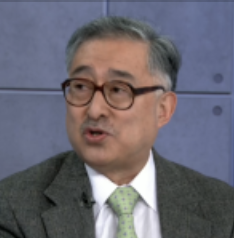
Khedroob Thondup is a former Tibetan diplomat and parliamentarian and nephew of the 14th Dalai Lama. He is also the editor of the book, ‘Dalai Lama, My Son and Tibet in Turmoil.’
The views expressed in this article are those of the author and should not be attributed to Tibet Express.