Author: Tibet Express Newsdesk

Beijing’s Strategy on the Dalai Lama

By Khedroob Thondup
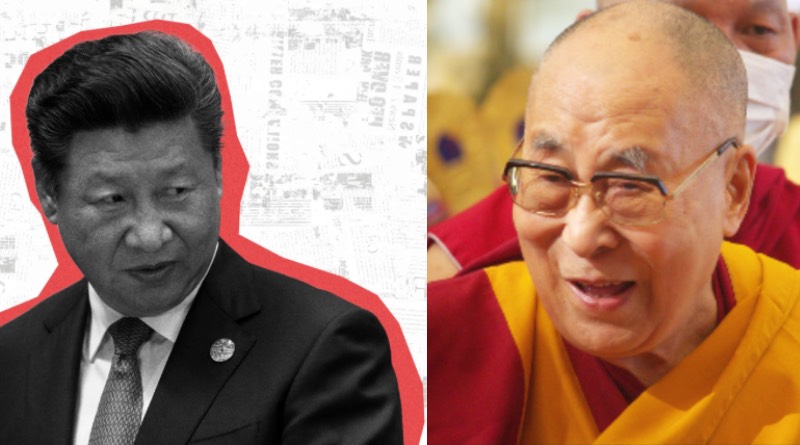
Beijing has consistently refused to negotiate with the Dalai Lama. This stance is not tactical indecision but a deliberate strategy: the Chinese leadership is playing a waiting game, anticipating that His Holiness’s passing will allow them to control succession and neutralise the Tibetan issue. While this approach may consolidate short-term authority, it carries significant risks for legitimacy, stability, and international relations.

Read more

California Arrest Brings Renewed Focus on China’s Transnational Repression

By Tenzin Chokyi

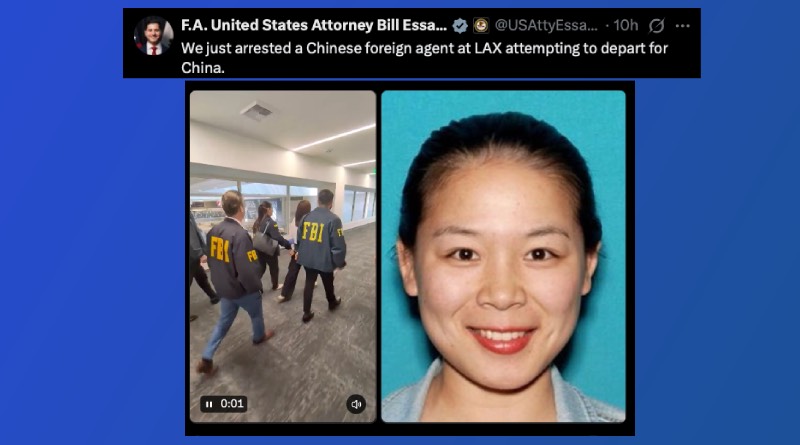
DHARAMSALA, 5 Oct: A California woman has been arrested while attempting to depart to China on charges of acting as an unregistered Chinese agent and spying on the son of Taiwan’s President Lai Ching-te. The case has renewed attention to Beijing’s documented efforts to extend its repressive reach beyond China’s borders and target Tibetans, Uyghurs and other exiled communities.

Read more

From “Government in Exile” to “Central Tibetan Administration”: What’s in a Name?

By Khedroob Thondup
In the world of geopolitics, even the names we choose can carry immense weight. The terms “Tibetan Government in Exile” and “Central Tibetan Administration” (CTA) are more than mere labels—they reflect nuanced shifts in identity, diplomacy, and purpose. Understanding the differences between these two names allows us to glimpse the complex layers of the Tibetan struggle and the strategic decisions behind it.

Read more

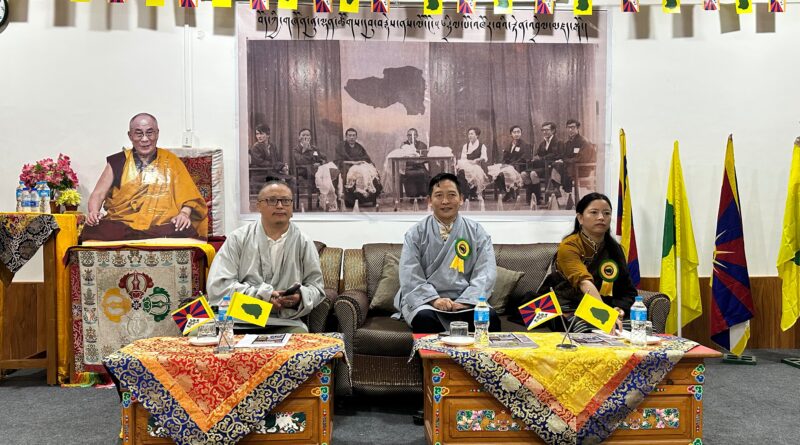
Sikyong Penpa Tsering to Attend Forum 2000 Conference in Prague

By Tenzin Chokyi
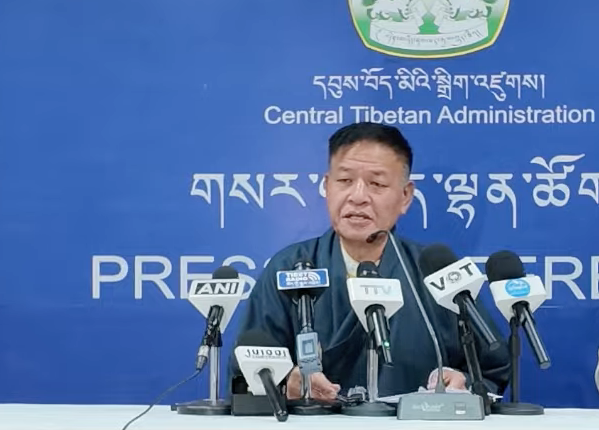
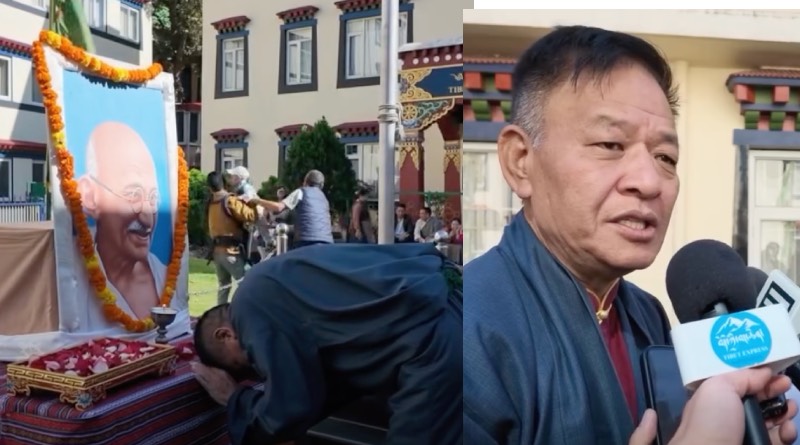
DHARAMSALA, 5 Oct: Central Tibetan Administration (CTA) Sikyong (President) Penpa Tsering departed Dharamsala on Monday for an official tour that will take him to Switzerland, the Czech Republic and Germany. The tour includes participation in the 30th Forum 2000 conference in Prague, which will bring together international political leaders, diplomats, activists and civil society representatives to discuss democracy, human rights and global challenges.

Read more

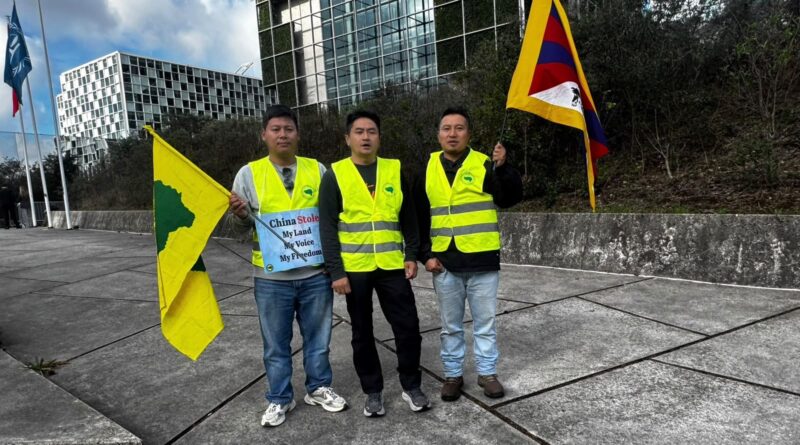
How Washington Sold Out Tibet After Nixon’s China Gamble

By Khedroob Thondup

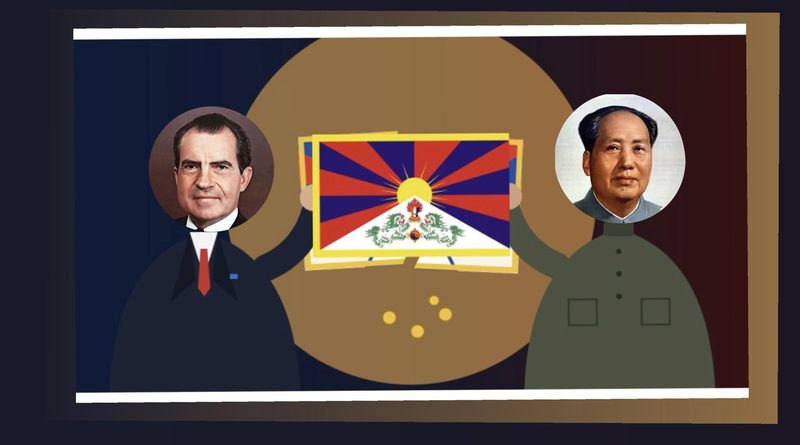
When Richard Nixon stepped off the plane in Beijing in 1972, the world hailed it as a masterstroke of diplomacy. The United States, locked in Cold War rivalry with the Soviet Union, had opened a new channel with Mao Zedong’s China. Yet for Tibetans, that handshake marked the beginning of a long betrayal. Tibet was quietly sacrificed on the altar of geopolitics, and successive U.S. administrations have continued the pattern—choosing silence over principle, accommodation over advocacy.

Read more