The Enduring Power of Tibetan Unity
By Khedroob Thondup
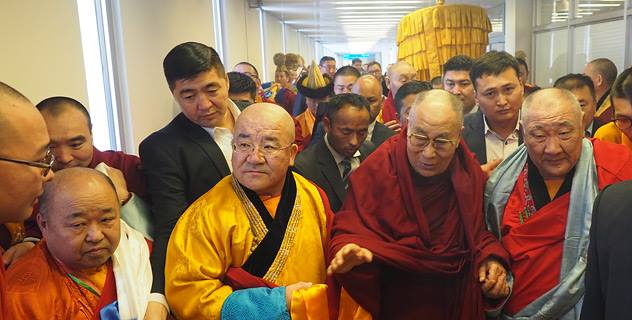
When Tibetans crossed into India in 1959, carrying little more than the clothes on their backs and the weight of exile, three forces bound us together: the leadership of His Holiness the Dalai Lama, our deep patriotism, and our unwavering desire to return to our homeland. These were not abstract ideals; they were lifelines. In the chaos of displacement, His Holiness became the moral compass, reminding us that exile was not the end of Tibet but the beginning of a new chapter in our struggle. Our patriotism was the glue that held together communities scattered across India, and our longing for home gave meaning to every sacrifice.
Lessons from Division
History reminds us that unity has never been guaranteed. In earlier times, the Mongolian and Tibetan Affairs Commission sought to manipulate Tibetan politics, sowing division among our people. Today, the Chinese Communist Party continues that same strategy, attempting to fracture our solidarity through propaganda, infiltration, and coercion. These external forces understand a simple truth: a divided Tibet is a weakened Tibet. That is why they invest so heavily in disunity.
Why Unity Matters
Our unity is not sentimental—it is strategic. In exile, Tibetans have built schools, monasteries, and institutions that preserve our culture and identity. None of this would have been possible without collective resolve. Unity has allowed us to speak with one voice on the global stage, to remind the world that Tibet is not forgotten. It has given younger generations a sense of belonging, even in foreign lands. And it has ensured that our struggle remains alive, despite the passage of decades.
The Present and Future Struggle
Today, as the CCP intensifies its grip on Tibet, unity is more critical than ever. The challenges we face—cultural erasure, environmental exploitation, and political repression—are immense. But unity transforms these challenges into opportunities for resistance. It allows us to coordinate across continents, to amplify our message in international forums, and to sustain the hope of return. Without unity, our struggle risks becoming fragmented, diluted, and ultimately ineffective.
A Call to Resolve
The lesson of 1959 is clear: leadership, patriotism, and the dream of return can overcome exile. The lesson of today is equally urgent: unity is detrimental to our present and future struggle. It is the shield against external manipulation and the sword with which we carve our path forward. For Tibetans, unity is not optional—it is survival.
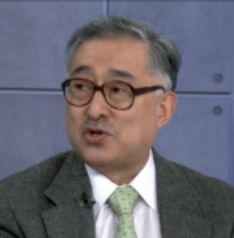
Khedroob Thondup is a former Tibetan diplomat and parliamentarian, and nephew of the Dalai Lama. He is also the editor of the books Dalai Lama, My Son and Tibet in Turmoil.
The views expressed in this article are those of the author and should not be attributed to Tibet Express.