Unity Beyond Regional Lines: Amdo, Kham, and U‑Tsang
By Khedroob Thondup
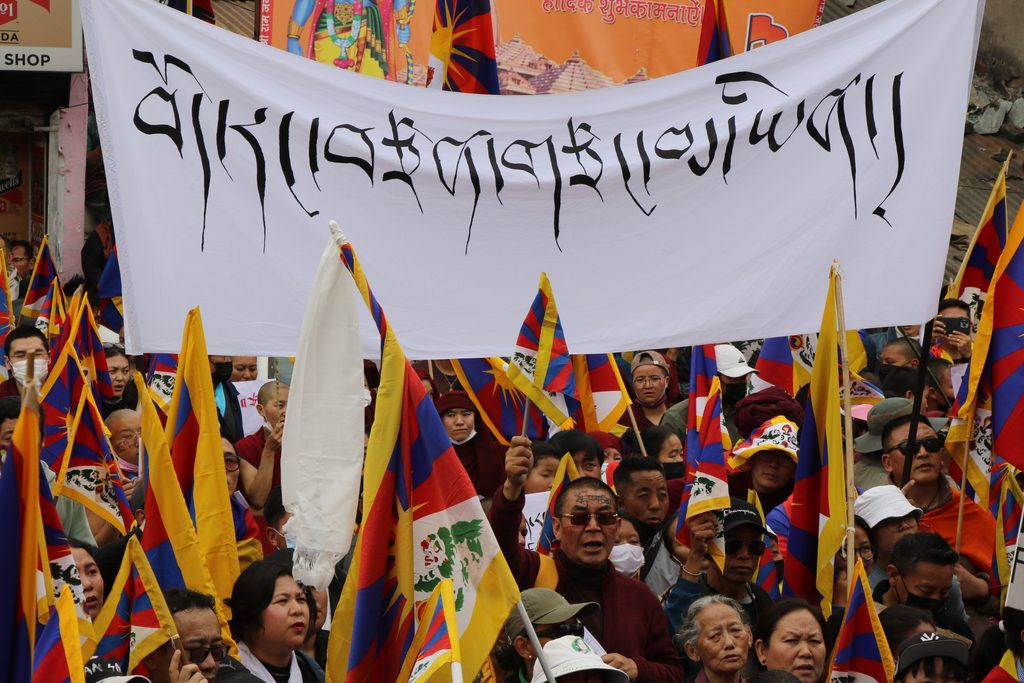
The Tibetan nation has always been a mosaic of regions, dialects, and traditions. Amdo, Kham, and U‑Tsang each carry their own histories, cultural richness, and local pride. Yet in exile, and especially in the diaspora, these distinctions must never become divisions. If anything, they should be the threads that weave together a stronger fabric of resistance against China’s ongoing campaign to erase Tibetan identity.
Why Unity Matters. Shared oppression: Whether from Amdo, Kham, or U‑Tsang, Tibetans have endured the same policies of Sinicization, religious suppression, and cultural erasure. The Chinese Communist Party does not differentiate between regions when it seeks to dismantle Tibetan identity. Diaspora representation: In exile, Tibetans are seen by the world as one people. Fragmentation into regional identities weakens our collective voice in international forums, NGOs, and governments. Historical precedent: In 1959, when Tibetans fled into exile, unity was forged under His Holiness the Dalai Lama’s leadership. That unity gave the diaspora credibility and moral strength. It must be preserved.
The Danger of Division. Chinese strategy: Beijing has long employed “divide and rule” tactics, amplifying regional differences to weaken Tibetan solidarity. If we allow Amdo, Kham, and U‑Tsang identities to become political fault lines, we play into their hands.
Diaspora vulnerability: In exile, resources are limited. Competing regional agendas dilute energy that should be directed toward advocacy, cultural preservation, and mobilization.
The Power of Collective Identity. One Tibetan nation: Our struggle is not about which region suffers more, but about the survival of Tibet as a whole. A monk from Amdo, a farmer from Kham, and a merchant from U‑Tsang all share the same fate if Tibet is erased. Global solidarity: The diaspora must project a unified identity to allies abroad. When Tibetans speak as one, the world listens more attentively. When fractured, our cause risks being dismissed as internal squabbles.
A Call to Action. Cultural pride with unity: Celebrate the songs of Amdo, the warrior spirit of Kham, and the spiritual traditions of U‑Tsang—but always under the banner of one Tibetan nation. Diaspora leadership: Leaders in exile must consciously avoid privileging one region over another. Representation should reflect the whole, not the parts. Youth responsibility: The younger generation, born in India, Nepal, Europe, or America, must be taught that regional pride is secondary to national survival.
Closing Thought. If Tibetans in exile fracture along regional lines, China wins without lifting a finger. But if Amdo, Kham, and U‑Tsang stand together, the diaspora becomes an unbreakable shield for Tibet’s identity. Unity is not just strategy—it is survival.

Khedroob Thondup is a former Tibetan diplomat and parliamentarian, and nephew of the 14th Dalai Lama. He is also the editor of the book: Dalai Lama, My Son and Tibet in Turmoil.
The views expressed in this article are those of the author and should not be attributed to Tibet Express.