Mongolia’s Silent Reincarnation: The Bogd Jetsun Damba and Beijing’s Shadow
By Khedroob Thondup
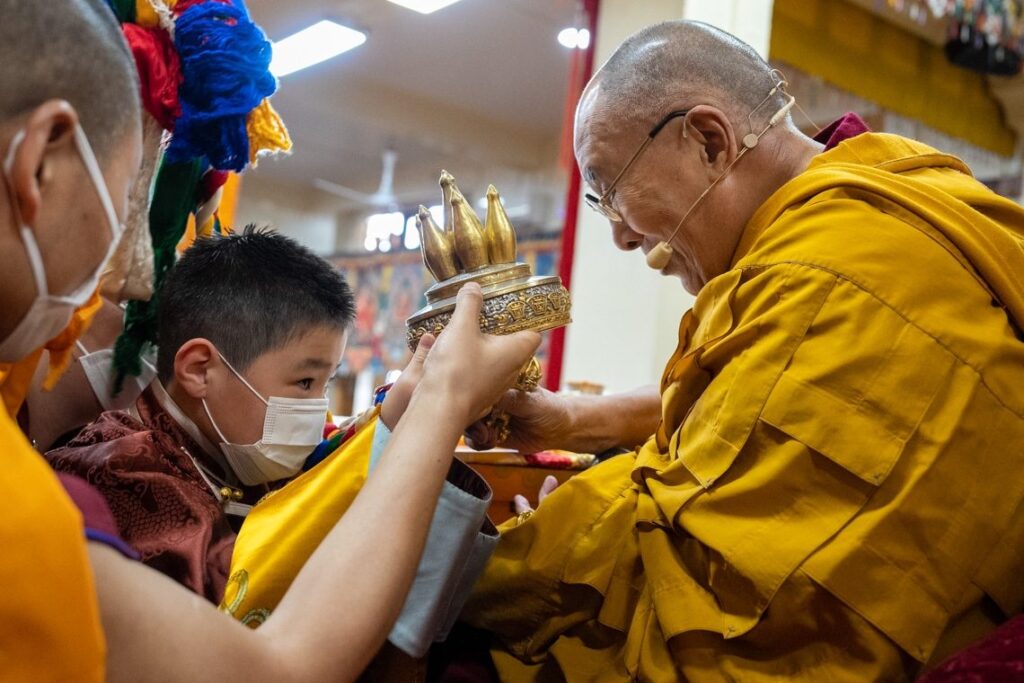
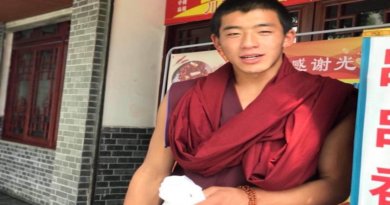
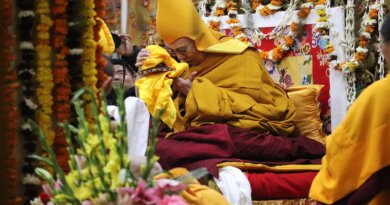
In 2023, His Holiness the Dalai Lama recognised the young boy in Mongolia as the 10th Bogd Jetsun Damba Khutuktu—the spiritual leader of Mongolian Buddhism, equivalent in stature to the Dalai Lama in Tibet. For Mongolians, this was a moment of profound religious continuity, affirming centuries of lineage that ties their national identity to Buddhism. Yet, ten years later, the reincarnation remains cloistered, unannounced, and largely hidden from public life. The reason is not spiritual hesitation but geopolitical coercion: China’s overwhelming influence has forced Mongolia into silence.
The Dalai Lama’s recognition was not a casual gesture. It was a declaration that Mongolia’s spiritual heritage endures despite centuries of foreign domination. The Bogd Jetsun Damba lineage has historically been central to Mongolian identity, intertwining religion and nationhood. By acknowledging the 10th reincarnation, the Dalai Lama reaffirmed Mongolia’s place in the broader Buddhist world. But Beijing saw it differently: as a threat to its monopoly over Tibetan Buddhism and as a precedent that undermines its claim to control reincarnation.
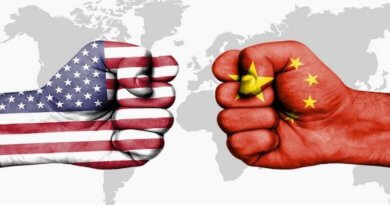
Mongolia’s silence is rooted in dependency. Landlocked between Russia and China, Mongolia’s economy is tethered to Beijing. Over 90 per cent of its exports—primarily coal, copper, and minerals—flow to China. Infrastructure, investment, and trade routes are dominated by Chinese interests. This economic reliance has translated into political submission. When the Dalai Lama visited Mongolia in 2016, Beijing retaliated with border blockades and trade restrictions, sending a clear message: spiritual recognition comes at a material cost. Mongolia, fragile and dependent, capitulated.
China’s influence extends beyond economics. Politically, Mongolia has been pressured to align with Beijing’s positions in international forums, curbing its ability to assert independence. Spiritually, the Bogd Jetsun Damba’s concealment reflects Beijing’s determination to prevent any rival Buddhist authority from emerging. Just as China insists on controlling the reincarnation of the Dalai Lama, it seeks to neutralise Mongolia’s equivalent figure. The result is a spiritual leader kept in the shadows, denied the public role his lineage demands.
For Mongolians, the absence of their spiritual leader is more than symbolic. It represents the erosion of sovereignty in the most intimate sphere: faith. Buddhism has been the backbone of Mongolian identity for centuries, surviving Soviet repression and modern secularism. To see the Bogd Jetsun Damba hidden away is to witness the subordination of national spirit to foreign power. It is a reminder that China’s reach is not only economic and political but cultural and spiritual.
Mongolia’s predicament is not unique. Across Asia, China has sought to extend its influence into religious life. In Tibet, it abducted the Dalai Lama’s chosen Panchen Lama and installed its own candidate. In Inner Mongolia, it has suppressed language and culture. In Mongolia proper, it has leveraged dependency to silence the reincarnation of the Bogd Jetsun Damba. The pattern is clear: Beijing views spiritual authority as a rival to political authority, and it will use every tool—economic coercion, diplomatic pressure, cultural suppression—to ensure no rival emerges.
The Bogd Jetsun Damba’s concealment is a story of faith under siege. It shows how China’s power now extends into the sacred, dictating not only trade and politics but the recognition of reincarnation itself. For Mongolia, the silence surrounding its spiritual leader is a wound to national identity. For the world, it is a warning: when economic dependency becomes absolute, even the most ancient traditions can be forced into hiding. The Bogd Jetsun Damba waits in the shadows, not because Mongolians doubt him, but because Beijing demands it.
Khedroob Thondup is a former Tibetan diplomat and parliamentarian, and nephew of the Dalai Lama. He is also the editor of the books Dalai Lama, My Son and Tibet in Turmoil.
The views expressed in this article are those of the author and should not be attributed to Tibet Express.